HVAC Maintenance 101: What Every Homeowner Should Know
A well-maintained HVAC system shapes the comfort, safety, and overall environment of a home. Homeowners in places with broad temperature shifts, such as Bergen County, New Jersey, deal with seasons that put real demand on heating and cooling equipment. A clear understanding of basic upkeep makes it easier to keep systems steady, avoid surprise breakdowns, and preserve indoor air quality.
Every part of an HVAC system works together, so consistent care helps prevent small issues from turning into costly repairs. Once homeowners understand what supports efficiency and long-term performance, they gain far more confidence in managing their equipment and working with qualified technicians when help is needed.
Value of Routine HVAC Care
HVAC systems handle a large amount of work throughout the year, which means their components require regular attention. Simple maintenance steps help the system deliver smoother airflow and dependable temperature control. Clean parts run with less strain, and that reduces wear on motors and other sensitive components.
Seasonal weather changes introduce extra challenges, and a system that receives steady care handles those changes without unnecessary stress. Homeowners who keep their equipment clean, inspected, and tuned set themselves up for fewer repair calls and stronger comfort throughout the year.
Heat Pumps and Seasonal System Checkups
Heat pumps play a vital role in many Bergen County homes, where systems must handle both cold winters and humid summers. Because they provide heating and cooling through a single unit, their performance depends on balanced airflow, clean coils, and precise thermostat communication. Seasonal system checkups help identify small issues early, reducing strain on the equipment and keeping energy costs stable throughout the year.
If you’re looking for a heat pump tune up in Bergen County, NJ, choose experienced HVAC professionals who prioritize thorough inspections, efficiency optimization, and long-term system performance. During a detailed inspection, technicians check refrigerant levels, secure electrical connections, and confirm every component is operating at the correct capacity, allowing smooth seasonal transitions and dependable comfort.
Air Filter Care and Indoor Air Quality
Air filters sit at the center of a healthy HVAC system because they trap dust, pollen, and other particles that move through the home. Clean filters support strong airflow, which helps the system run smoothly and maintain the right temperature. A clogged filter limits air movement and forces the equipment to work harder, which leads to higher energy use and extra strain on the blower motor.
Each type of filter has its own purpose, and homeowners who select the right one for their needs see clear improvements in comfort and indoor air quality. Regular checks make it easy to know when a filter needs to be replaced, and fresh filters keep air moving freely through the entire system.
Thermostat Function and System Control
The thermostat acts as the system’s communication center. When it sends accurate signals, the HVAC equipment responds with steady heating or cooling. Calibration issues create temperature swings and wasted energy, so it helps to confirm that the thermostat reads the room temperature correctly.
Smart thermostats provide more precise scheduling and help distribute energy use throughout the day, which supports a lighter workload on the system. Clear settings create balanced comfort without putting unnecessary pressure on the equipment. A thermostat that runs properly protects the system and improves the overall experience inside the home.
Outdoor Unit and Airflow Protection
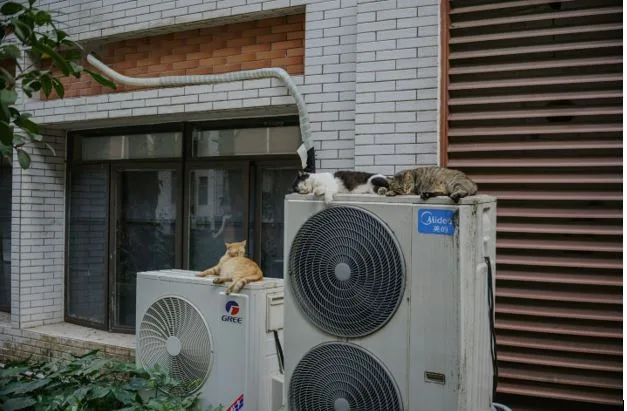
The outdoor unit faces weather, debris, and physical obstruction, and all of these elements affect how well the system can breathe. Strong airflow around the condenser is essential because the outdoor unit releases heat during the cooling process. Leaves, dirt, and branches limit this movement and cause the system to work harder than necessary.
A few minutes of clearing space around the unit helps support smooth operation and keeps the system from overheating. Homeowners who check the area regularly notice problems early and avoid strain that can lead to mechanical failure.
Ductwork Condition and Energy Loss
Ductwork carries conditioned air throughout the home, so its condition has a direct impact on comfort and energy use. Leaks, gaps, or damaged sections weaken airflow and create uneven temperatures between rooms. When ducts lose air, the HVAC system compensates by running longer, which increases strain and drives up utility costs.
Many issues stay hidden inside walls or crawl spaces, and that is why a detailed duct inspection can make a noticeable difference. Sealing and insulating the ducts helps keep air moving smoothly and maintains the temperature you expect from the system. Reliable ductwork gives the equipment the support it needs to perform consistently without unnecessary workload.
Warning Signs That Call for Service
HVAC systems give clear signals when something is starting to go wrong. Unusual sounds, unfamiliar odors, weak airflow, and unexplained temperature changes suggest that a component needs attention. Sudden spikes in utility bills can point to issues hidden inside the system, including worn parts or reduced efficiency.
Homeowners who react quickly to these warning signs save themselves from more serious problems later. A technician can identify the cause, correct the issue, and prevent associated damage. Tackling concerns as soon as they appear protects the equipment and keeps the home comfortable without disruption.
What Strong Long-Term HVAC Support Looks Like
A dependable HVAC system benefits from steady guidance provided by a team that understands how equipment behaves over time. Homeowners gain real value when they work with professionals who document system performance, track previous repairs, and explain how each component affects overall operation.
Clear communication helps homeowners understand their options without confusion, and a structured maintenance plan keeps the system on a predictable path. This level of ongoing support encourages better planning, reduces the chance of surprise breakdowns, and gives the equipment the care it needs to stay reliable through changing seasons.
A strong HVAC maintenance plan supports comfort, indoor air quality, and long-term system health. Each part of the system plays a role, and steady care keeps everything working together without unnecessary strain. Filters, thermostats, outdoor units, ducts, and seasonal tune-ups shape how well the equipment performs through changing weather and daily use.
When maintenance becomes a regular habit, the system remains efficient and dependable, and homeowners gain peace of mind knowing their equipment is prepared for whatever each season brings. If you’d like, I can now turn the full outline into a polished 1200-word article.