
Hybrid Work Revolution: How Flexible Workspaces Support The Future Of Work
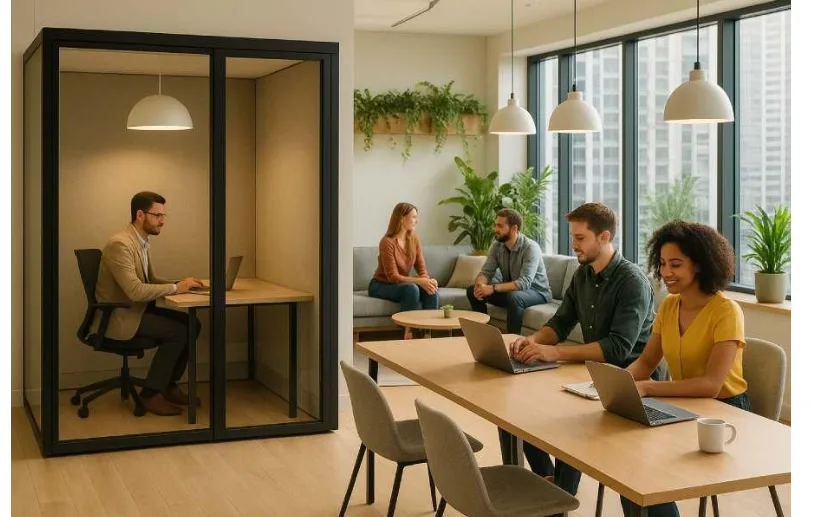
Over the past decade, the concept of work has undergone an unprecedented transformation. The surge in remote work driven by global events and technological innovation has led many organisations—ranging from Fortune 500 companies like Microsoft, Amazon, and Salesforce to fast-growing startups—to embrace a hybrid strategy. This strategy blends remote work with in-person collaboration, enabling teams to enjoy both flexibility and the benefits of face-to-face interaction.
Now, companies are looking to optimise their real estate portfolios for cost-saving and agility, seeking workspace solutions that support productivity, collaboration, and employee satisfaction. The result is a rising demand for flexible workspaces like Eclat—environments that adapt to ever-changing business priorities and evolving workspace needs.
Defining Flexible Workspaces: Types and Key Features
Types of Flexible Workspaces
Flexible workspace is an umbrella term that encompasses a variety of workspace types suited to dynamic business environments, which include:
- Coworking space: Open, collaborative environments that welcome individuals and teams from diverse organisations. These spaces foster networking and idea exchange and are accessible via coworking memberships or even workspace for the day options.
- Private office: Secure, fully enclosed offices within a shared building, offering privacy and enterprise-grade amenities. These are increasingly available as move-in-ready offices or turnkey offices that require minimal setup.
- Shared workspace: Areas that combine open seating and designated desks, providing a balance of collaboration and focus.
- Team offices: Larger configurations, often designed to support hybrid and distributed teams, with flexibility in occupancy and resources.
- Meeting rooms: Bookable as needed, equipped with advanced audiovisuals and professional amenities for productive discussions.
Key Features of Flexible Workspaces
The appeal of a flexible office lies in its ability to tailor workspace solutions to fit diverse requirements. Key features include:
- Workspace flexibility: Adaptable contracts, ranging from hourly pay-as-you-go coworking and daily access to monthly memberships.
- Furnished offices: Professional, fully furnished environments that eliminate setup hassles.
- Space & services: Access to high-speed internet, printing, business-class amenities, and hospitality services.
- Global locations and partner network: For businesses operating worldwide, providers like WeWork and its Coworking Partner Network offer access to thousands of sites, enhancing mobility for remote and traveling employees.
- Space management technology: Platforms such as WeWork Workplace enable seamless management of space reservations, desk assignments, and analytics for optimal utilisation.
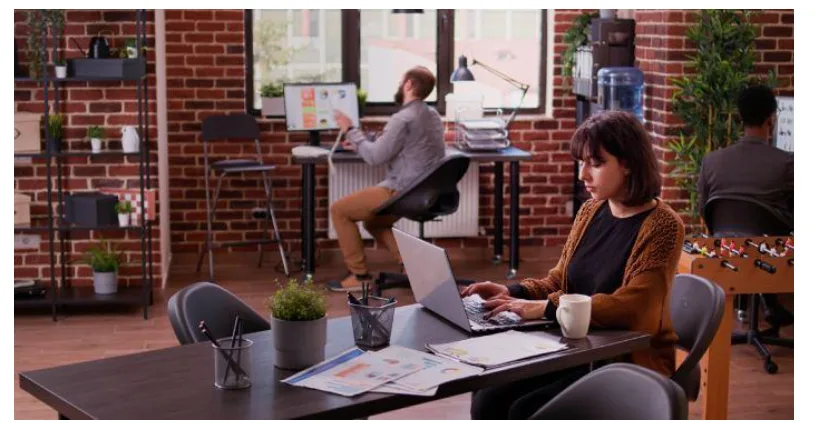
Overcoming Challenges: Security, Collaboration, and Company Culture
Security Considerations
Moving away from conventional offices requires robust security solutions. Flexible workspace operators address these concerns through enterprise-grade access control, private networks, and compliance frameworks. Custom corporate solutions further enhance privacy and meet specific regulatory requirements for industries like finance and healthcare.
Fostering Collaboration
Some leaders worry that remote work and hybrid arrangements may erode company collaboration. However, workspace solutions like team offices and adaptable meeting rooms enable natural, serendipitous interactions that are core to innovation. Many flexible office providers support enterprise-level organisations, ensuring productive connections— both virtual and in-person—are embedded in the office experience.
Maintaining Company Culture
Preserving a unified company culture is an ongoing challenge. Innovative operators such as WeWork now provide integrated programming, on-site events, and workspace trends insights to help companies maintain a strong sense of identity, whether their workforce is distributed or concentrated in hubs. The flexibility of workspace type—from open collaboration zones to branded private offices—supports both individuality and collective values.

The Future Outlook: Trends and Innovations in Flexible Workspaces
Emerging Workspace Trends
As we look ahead, the future of work is unmistakably intertwined with the evolution of the flexible office environment. Key trends include:
- Hybrid strategy refinement: Organisations are adopting more nuanced workspace strategies—blending pay-as-you-go coworking with reserved move-in ready offices for critical operations.
- Data-driven space management: Advanced space management technology empowers real-time insights and dynamic allocation, driving further cost optimisation and improved employee experiences.
- Integration with global partner networks: Giants like WeWork expand their reach and utility through alliances such as the Coworking Partner Network, enabling clients access to premium workspace solutions in every major city.
Innovations Powering Tomorrow’s Workplaces
The next generation of workspace solutions will be shaped by both technology and user experience:
- Enterprise-grade business solutions: Customisable enterprise solutions and corporate solutions that address the sophisticated needs of Fortune 500 clients, with flexible access and premium professional amenities.
- Flexible memberships and access models: Options like monthly access, day passes, and an inclusive workspace for the day programs, accommodating every workstyle.
- Sustainable, human-centric design: Emphasis on wellbeing and environmental responsibility in both furnished offices and shared areas.
- Space & services bundles: All-in-one packages that include utilities, cleaning, IT support, and event programming streamline the workspace made simple vision.