Ice, Sour, Punch and Slush: What Vape Flavor Names Actually Mean
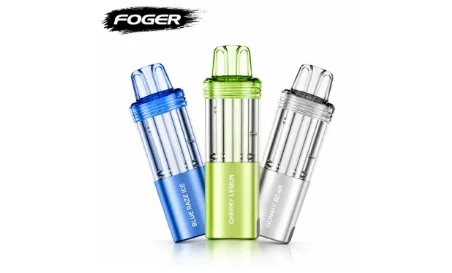
A vape labeled Strawberry Ice sounds fairly straightforward. Strawberry provides the flavor, and Ice suggests something cold. Yet two products carrying that same name can taste surprisingly different. One may lean toward ripe strawberry and a light cooling finish. Another might resemble strawberry candy, with the cooling sensation doing most of the work.
The same uncertainty appears in names such as Sour Apple, Tropical Punch, and Blueberry Slush. These words tell us something about the flavor a manufacturer intends to create, but they don’t reveal exactly how sweet, sharp, cold, or realistic the finished product will taste.
That distinction gets lost when flavor names are treated as precise descriptions rather than shorthand.
Ice, Sour, Punch, and Slush are among the most recognizable terms in modern vape flavor naming. Each points toward a different sensory idea. Understanding those ideas helps explain why a flavor can be technically true to its name and still taste nothing like someone expected.
1. Ice Describes a Cooling Sensation, Not Necessarily Mint
The first thing to understand about an Ice flavor is that the word usually refers to the sensation of coolness.
It doesn’t automatically mean the product tastes like peppermint, spearmint, or menthol cigarettes.
A fruit-and-Ice combination is intended to present two elements at once: a recognizable fruit flavor and a cooling effect. Strawberry Ice, for instance, can retain a sweet strawberry character while leaving a colder sensation in the mouth and throat.
The cooling effect may come from menthol or other cooling compounds. Some of these compounds produce a noticeable cold sensation without adding much of a mint-like taste. The name alone, however, cannot tell you which ingredients a particular product contains.
The fruit and the cooling effect don’t always carry equal weight
In a balanced fruit-Ice flavor, the fruit remains easy to identify. The cooling sensation appears around it or becomes more noticeable afterward.
In a more heavily cooled formulation, the fruit may seem less prominent. The cold feeling can dominate the finish, especially when the underlying fruit flavor is relatively subtle.
This is one reason a person who enjoys Watermelon Ice might not automatically enjoy Frozen Lemon. Even if both have a cooling character, their fruit bases behave differently. Watermelon is generally associated with a soft, sweet profile, while lemon suggests sharper citrus notes.
The relationship between sweetness, acidity, and cooling changes the overall impression.
Frozen and Ice aren’t guaranteed to mean different cooling levels
Frozen, Frost, Arctic, and Ice are often used to communicate similar ideas.
It would be convenient if Frozen always meant stronger cooling than Ice, but there is no universal naming scale that makes this true across brands.
A product called Frozen Blueberry might be milder than another manufacturer’s Blueberry Ice. Even within one brand, cooling intensity may vary between flavors.
The useful information is the intended cold character. The actual strength remains a property of the individual formulation.
2. Sour Can Mean Fresh-Fruit Tartness or Sour Candy
Sour is a more complicated word than it first appears.
Fresh green apples, cranberries, citrus fruits, and certain berries naturally suggest tartness. But a sour candy has a different character from a piece of tart fruit. Candy combines sharpness with a deliberately sweet, often concentrated flavor.
Both ideas appear in vape flavor naming.
Consider Sour Apple Ice and Sour Cranapple. The first suggests a sharper apple profile with cooling. The second brings cranberry and apple together, implying a fruit blend with a tart edge.
Now compare those names with Sour Gush or Sour Fcuking Fab. Rather than identifying a single familiar fruit, these names point toward a mixed candy-like flavor concept.
They all belong to the broad Sour category, but they don’t necessarily create the same kind of sourness.
The opening impression can be different from the finish
Sourness is not always experienced as one continuous sensation.
A flavor may open with a sharp, tangy note and settle into sweetness. Another may feel sweet immediately, with a tart impression becoming more noticeable later.
The balance is especially important in candy-inspired profiles. A strong sweet component can make a supposedly sour product resemble fruit chews or gummy candy rather than fresh fruit.
There is also a practical limitation to the word itself: manufacturers can describe a flavor as Sour without providing a measurable, standardized acidity rating.
The name communicates a flavor direction, not a promise about exactly how acidic the product will taste.
Someone expecting the sharpness of freshly cut green apple may therefore have a very different reaction from someone expecting the taste of sour apple candy.
Neither interpretation is unreasonable. The label leaves room for both.
3. Punch Is a Blend, Not a Single Fruit Flavor
Punch has its roots in mixed drinks, and its meaning in vape flavors follows much the same idea.
Unlike Strawberry or Peach, Punch does not identify one main fruit. It suggests a combination, often involving several fruits arranged to create a recognizable beverage-like character.
That sounds simple until you compare how many different interpretations fit the category.
Hawaiian Punch generally brings to mind a sweet, colorful fruit-drink profile. Triple Berry Punch points more directly toward berries. Purple Passion Punch suggests a deeper mixed-fruit character, with grape or passion-fruit associations depending on the formulation.
All three can fall under the Punch label without tasting particularly similar.
The dominant fruit isn’t always obvious from the name
Mixed-fruit flavors often contain one note that stands out more strongly than the others.
A berry blend might taste primarily like blueberry, with raspberry appearing as a sharper supporting note. Another might lean toward a general sweet-berry impression in which individual fruits are difficult to separate.
This doesn’t necessarily mean the blend is inaccurate. Some punch-style flavors are deliberately designed to taste like one combined drink rather than a collection of identifiable fruits.
It also explains why flavor descriptions sometimes sound more specific than the experience itself.
A label may mention several fruits, but the finished impression can be closer to a single mixed-fruit candy or beverage.
Punch and tropical are not interchangeable
Tropical usually points toward a family of fruits such as mango, pineapple, passion fruit, or guava.
Punch describes the blended-drink character.
A tropical flavor can be built around one fruit, and a Punch flavor can be built around berries, citrus, or other combinations. The two terms can overlap, but they answer different questions.
Tropical suggests which fruits may be involved. Punch suggests how the blend is presented.
This distinction matters when comparing Hawaiian Punch with a flavor such as Mango Pineapple Refresher. Both may suggest a fruity beverage, but one has a broader punch identity while the other names its principal fruits more directly.
4. Slush Suggests a Frozen Drink, Not a Different Device
Slush is one of the most misleading flavor terms if taken literally.
In an actual slush drink, texture is central to the experience. Crushed ice, syrup, and liquid create something that is partly frozen and partly drinkable.
A vape cannot reproduce that physical texture. It can only evoke aspects of the flavor associated with the drink.
That usually means a combination of pronounced sweetness, fruit or syrup-like notes, and some impression of cooling.
A Blue Raspberry Slush profile, for example, would be expected to lean toward the recognizable taste of a blue-raspberry frozen drink rather than the taste of fresh raspberries alone.
The blue-raspberry idea itself is already strongly associated with candy and flavored beverages. Adding Slush pushes the expectation further toward a prepared drink.
Slush isn’t the same as Ice
An Ice flavor may emphasize cooling around a relatively direct fruit note.
Slush adds the suggestion of a flavored frozen beverage, where sweetness and syrup-like qualities may be as important as the cooling effect.
In practice, these categories overlap heavily. Some slush-named products may feel particularly cold, while others are closer to sweet fruit drinks with only modest cooling.
There is no industry-wide definition requiring a particular level of cooling for the word Slush.
That’s why the name is most useful as a clue to the intended flavor style, not as a technical specification.
5. Why the Same Fruit Appears in So Many Different Flavors
Strawberry Ice, Strawberry Banana, Strawberry Candy, and Strawberry Freezer Jam all begin with the same familiar fruit.
But the word Strawberry does not have to represent the same taste in each of them.
Fresh strawberry has a mixture of sweetness, acidity, and delicate aromatic notes. Strawberry jam is sweeter and more concentrated. Strawberry candy can emphasize an unmistakable artificial-strawberry character that bears little resemblance to fresh fruit.
Flavor developers can use different combinations of aromatic compounds to suggest these different interpretations.
In other words, the named fruit is only the starting point.
The additional words tell you what kind of experience the flavor is trying to resemble.
A name ending in Ice points toward cooling. A jam-inspired name suggests a sweeter, cooked-fruit association. Candy implies confectionery. Punch places the fruit in a mixed-drink setting.
For a clearer picture of how these naming patterns overlap within one brand, the FOGER FLAVOR directory provides examples across fruit, frozen, sour, and beverage-inspired profiles.
The value of comparing those names is not that every product must fit neatly into a category. It is that similar ingredients and fruit themes can lead to very different intended flavor profiles.
A stronger name doesn’t necessarily mean a stronger flavor
Names such as Extreme, Blast, Frozen, or Super Sour sound intense. They are designed to make an impression, but they are not standardized measurements of sweetness, cooling, or concentration.
A relatively plain fruit flavor might taste more concentrated than one with several dramatic descriptors.
This is particularly noticeable with mixed flavors. Adding more fruit names to a label does not automatically make each fruit more distinct.
Sometimes the opposite happens: the blend becomes more unified, and the individual notes are harder to identify.
6. The Factors a Flavor Name Usually Leaves Out
Two products can share a name but differ in ways that become obvious during use.
Sweetness is one. A flavor intended to resemble fruit candy can have a heavier, longer-lasting sweet impression than a profile built around tart citrus or fresh berries.
Cooling is another. The intensity and duration of the cold sensation can change how prominent the underlying fruit seems.
Then there is the finish. Some profiles end with a recognizable fruit note, while others leave more of a candy, syrup, or cooling impression.
These details rarely appear in the name itself.
Personal perception matters more than a universal flavor ranking
Taste is not entirely fixed from one person to another.
Sensitivity to sweetness, familiarity with particular fruit flavors, and expectations based on previous products all influence how someone interprets a flavor.
A person expecting actual peach may notice the candy-like character of a peach-flavored product immediately. Someone familiar with peach sweets might find the same profile quite recognizable.
Neither person needs to be mistaken.
There is also a difference between experiencing a flavor for the first time and repeatedly using the same profile. Sensory adaptation can change how noticeable certain notes seem, although a change in taste does not by itself prove that the liquid or device has developed a fault.
This is why brief descriptions such as “very sweet” or “strong ice” are useful but incomplete. They are judgments about a sensory experience, not precise measurements that apply equally to everyone.
Device operation can affect perception without changing the flavor name
Flavor naming also exists separately from the hardware.
In a prefilled pod system, the liquid and coil are contained in the replacement component. For example, a FOGER POD is a flavor-specific unit designed for its compatible device system.
The product name describes the intended flavor, but the way it is experienced can still be influenced by operating conditions, including power settings, airflow, battery state, and coil condition.
Higher power may change warmth and vapor output, which can alter the prominence of different flavor notes. That does not mean the liquid has become a different formulation.
It also doesn’t mean every device allows the same adjustments.
Keeping these distinctions separate prevents a common misunderstanding: a change in flavor perception is not always evidence that the original flavor description was false.
Sometimes the difference lies in the formulation. Sometimes it is the device. Sometimes it is simply the person’s sensory response.
7. Reading Flavor Descriptions More Carefully
The most useful way to interpret a vape flavor name is to break it into its main elements.
Start with the named fruit or flavor base. Then look at what the additional words suggest.
Frozen Pineapple communicates pineapple with a cold character. Sour Cranapple points toward a tart cranberry-and-apple blend. Triple Berry Punch suggests a mixed-berry drink profile rather than a single identifiable berry.
Those are reasonable starting expectations, not guarantees of the final taste.
The next step is to read the description for details the name cannot convey: whether the profile is closer to fresh fruit or candy, whether cooling is prominent, and whether sweetness or tartness dominates.
User reviews can add valuable context when they describe those specific sensations. A review that identifies an unexpected candy finish is more informative than one that simply calls a flavor excellent.
Disagreements can be equally useful.
If some people describe a flavor as natural while others call it candy-like, the contrast may reveal that the formulation sits somewhere between the two styles. It is better to recognize that difference than to force every experience into one definitive description.
A flavor name can tell you what a product is supposed to taste like, but not which device it belongs to. Blue Razz Ice, for example, can appear in different FOGER product lines without making their hardware interchangeable. That distinction becomes clearer in the SWITCH PRO COMPATIBILITY FAQ, where the focus shifts from flavor descriptions to the pod system itself.
Final Thoughts: A Flavor Name Is a Clue, Not a Formula
Ice, Sour, Punch, and Slush each describe something recognizable, but none is a precise technical standard.
Ice generally points toward cooling. Sour suggests tartness or sour-candy character. Punch implies a blended fruit-drink profile. Slush evokes a sweet frozen beverage.
Once those distinctions are clear, the names become easier to interpret without expecting them to tell the whole story.
The most useful descriptions go beyond the label. They explain sweetness, cooling, fruit character, and finish—and acknowledge when a flavor can reasonably be perceived in more than one way.
The same principle applies when browsing flavor names on foger-vape.net. A good flavor name tells you where the experience is intended to begin. The details determine how closely it matches that expectation.