ICSI vs IVF: What is the difference and which one do you need?
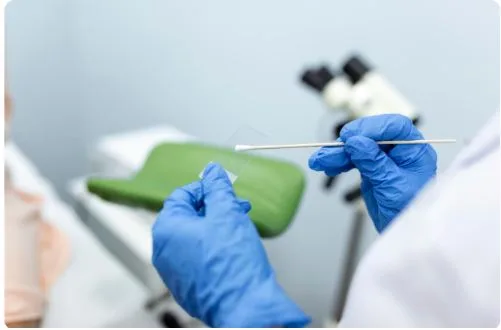
When couples start fertility treatment, IVF is usually the first word they hear. Then, somewhere during the consultation, another word enters the room: ICSI.
Both IVF and ICSI are assisted reproductive treatments. Both involve eggs, sperm, embryos, and a fertility lab. Both can help couples who have been trying to conceive for months or years. But they are not exactly the same.
In standard IVF, eggs and sperm are placed together in a lab dish, and the sperm has to fertilise the egg on its own. In ICSI treatment, the embryologist selects a single healthy-looking sperm and injects it directly into the egg.
For some couples, IVF is enough. For others, ICSI gives the sperm the extra help it needs. The tricky part is knowing which one fits your case. That decision usually depends on your age, egg quality, sperm report, past treatment history, and what your fertility specialist sees during evaluation.
What is IVF?
IVF stands for in vitro fertilisation. In simple words, fertilisation happens outside the body in a fertility lab.
The woman’s ovaries are stimulated with medicines so they can produce multiple eggs in one cycle. These eggs are collected during a short procedure. The male partner gives a sperm sample on the same day, or frozen sperm may be used if planned earlier.
Then comes the lab part.
In conventional IVF, the eggs and sperm are placed together in a dish. The sperm still has to swim towards the egg and enter it naturally. The embryology team then checks whether fertilisation has happened.
If embryos form, one good-quality embryo is selected and transferred into the uterus. Extra embryos may be frozen if suitable.
IVF can be useful for many fertility concerns, including blocked fallopian tubes, ovulation issues, unexplained infertility, endometriosis, age-related fertility decline, or cases where simpler treatments like IUI have not worked.
It is a strong treatment option. But it still depends on the sperm’s ability to fertilise the egg.
That is where ICSI comes in.
What is ICSI treatment?
ICSI stands for intracytoplasmic sperm injection. It is not a separate treatment from IVF in the way many people think. It is actually a special fertilisation technique used during an IVF cycle.
The steps before fertilisation are mostly similar. Ovarian stimulation happens. Eggs are collected. A sperm sample is prepared in the lab.
The difference begins after egg retrieval.
Instead of placing many sperm around each egg, the embryologist chooses one sperm and injects it directly into the egg using a fine needle. This helps when sperm may not be able to reach or enter the egg by itself.
It sounds very technical. And it is. But the idea behind it is simple: give fertilisation a more direct route.
ICSI treatment is often suggested when sperm quality is a concern. For example, the sperm count may be low. Motility may be poor, which means the sperm are not moving well. Morphology may be affected, which means many sperm have an unusual shape.
Sometimes, sperm may need to be retrieved surgically. In such cases too, ICSI is usually preferred because the number of usable sperm may be limited.
IVF vs ICSI: the main difference
The easiest way to understand IVF vs ICSI is this:
In IVF, sperm and egg meet in the lab, but the sperm must fertilise the egg on its own.
In ICSI, the embryologist helps fertilisation by injecting one selected sperm directly into the egg.
That’s the main difference. Everything else in the cycle can look quite similar from the patient’s side.
You may take fertility injections. You may go for scans. You may have egg retrieval. You may wait for embryo updates. You may have an embryo transfer. The emotional ride is similar too, and honestly, it can feel long.
But in the lab, IVF and ICSI are handled differently.
When do doctors recommend IVF?
Doctors may suggest IVF when the sperm report looks reasonably good and the main fertility issue lies elsewhere.
For example, IVF may be considered when:
- The fallopian tubes are blocked or damaged
- Ovulation is irregular
- The couple has unexplained infertility
- IUI has failed more than once
- Endometriosis is affecting fertility
- The woman’s age or ovarian reserve makes faster treatment sensible
- Fertility treatment needs more control than timed intercourse or IUI
IVF is also used when doctors want to create embryos in the lab and select the best embryo for transfer.
But if there is a clear male fertility issue, standard IVF may not always be the first choice. The sperm still has to do some work. If it cannot, fertilisation may fail or remain poor.
Nobody wants to go through injections, egg retrieval, and waiting, only to hear that very few eggs fertilised.
When do doctors recommend ICSI treatment?
ICSI treatment is most commonly recommended for male infertility concerns.
A doctor may suggest ICSI if the semen analysis shows low sperm count, poor sperm movement, or abnormal sperm shape. It may also be recommended if the couple has had poor fertilisation in a previous IVF cycle.
This is a big one.
If eggs were collected earlier but did not fertilise well with standard IVF, ICSI may be considered in the next cycle. It gives the lab more control over the fertilisation step.
Doctors may also recommend ICSI when sperm is retrieved through a procedure, such as in cases where sperm is not present in the semen but can be found in the testes or epididymis. Since the number of sperm may be limited, each sperm needs to be used carefully.
ICSI may also be discussed when frozen eggs are being used, because thawed eggs often need a more direct fertilisation method.
At Femcare Fertility, ICSI treatment is offered as part of advanced fertility care for couples dealing with male fertility concerns, repeated IVF issues, or complex infertility cases. The clinic’s approach includes fertility assessment, semen analysis, ovarian evaluation, lab-based fertilisation, embryo culture, and embryo transfer planning.
That matters because ICSI should not be chosen casually. It should match the medical reason.
Common misconceptions about IVF and ICSI
“ICSI guarantees pregnancy”
No, it does not.
ICSI helps with fertilisation. Pregnancy still depends on embryo quality, implantation, uterine health, age, and other medical factors. A good fertilisation result is encouraging, but it is not the finish line.
“ICSI is only for men with zero sperm count”
Not true.
ICSI can help in several male fertility situations, including low count, poor motility, abnormal morphology, or sperm retrieved through a procedure. It may also be used after previous fertilisation failure.
“IVF and ICSI are completely different treatments”
They are closely linked.
ICSI is usually performed as part of an IVF cycle. The main difference is the fertilisation method used in the lab.
“If ICSI is available, everyone should choose it”
That sounds logical, but fertility medicine does not work like ordering the most expensive item on a menu.
If sperm quality is good, standard IVF may be enough. If sperm quality is poor, ICSI may be the better route. The choice should come from diagnosis, not fear.
“Male fertility issues are rare”
They are not rare at all.
Male fertility concerns are a common reason couples struggle to conceive. A semen analysis is a basic test, but many couples delay it because of hesitation or social pressure. Better to test early. It saves time.
Questions to ask your fertility specialist
Before choosing between IVF and ICSI, ask direct questions. You don’t have to sound like a medical expert. Plain questions work best.
You can ask:
- Is our semen analysis normal?
- Do we have a clear male fertility factor?
- Why are you recommending IVF or ICSI in our case?
- What are the fertilisation risks with standard IVF?
- Have my age and AMH been considered in this plan?
- What will the total cost include?
- Are there any add-ons we actually need?
- What happens if fertilisation is poor?
- How many embryos do you expect from this cycle?
- Will embryo freezing be needed?
Write these down before the appointment. It helps. Fertility consultations can be emotional, and it is easy to forget things once you are sitting across from the doctor.
So, which one do you need?
IVF and ICSI both aim to help fertilisation happen outside the body. The difference is how much help the sperm gets in the lab.
If sperm quality is normal, IVF may be enough. If sperm count, movement, or shape is poor, ICSI treatment may be the better choice. If a previous IVF cycle had fertilisation failure, ICSI may also be recommended.
There is no prize for choosing the “bigger” treatment. The right treatment is the one that fits your diagnosis.
For couples in Pune or Kolkata, Femcare Fertility offers IVF, ICSI, IUI, male infertility treatment, egg freezing, sperm freezing, and related fertility care under one roof. A proper consultation can help you understand whether conventional IVF is suitable or whether ICSI gives your cycle a better chance at the fertilisation stage.
Fertility treatment is already a lot to process.
Start with the reports. Ask clear questions. Then choose the method that makes medical sense for you.