Importance of Holistic Education for Students
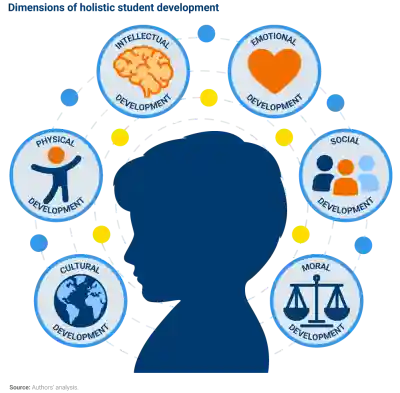
In today’s rapidly changing world, education can no longer be limited to textbooks, exams, and academic performance alone. Students are expected to be creative, adaptable, emotionally strong, and capable of solving real-world problems. This is where holistic education becomes essential. Unlike traditional schooling that focuses mainly on memorization and scores, holistic learning nurtures intellectual, emotional, physical, social, and ethical development – shaping students into well-rounded individuals who thrive in all aspects of life.
Parents who explore multiple schooling options in cities like Chennai often start by looking at the Best CBSE Schools in Chennai, not just for academic excellence but also for the emphasis these schools place on holistic growth. As modern schools integrate sports, arts, communication skills, moral education, and experiential learning into their ecosystem, holistic development is no longer a secondary element but a core part of a child’s educational journey.
Understanding Holistic Education
Holistic education is an approach where a child’s overall development is prioritized instead of focusing solely on academic results. It encourages learning through experience, exploration, creativity, collaboration, and real-life situations. Students are guided to develop critical life skills such as communication, emotional intelligence, leadership, and problem-solving.
This form of education recognizes that every child has varied strengths. Some may excel in academics, while others shine in sports, arts, or technology. By providing multiple avenues for learning, holistic education helps children discover what they are naturally good at and build confidence in their abilities.
Why Holistic Education Matters Today
1. Encourages Critical Thinking
The modern world requires students to think beyond textbooks. Holistic learning promotes analytical thinking, reason-based decision-making, and innovative problem-solving. Students learn to question, interpret, and apply their knowledge effectively.
2. Builds Emotional Intelligence
Academics alone cannot prepare students for life. Holistic education integrates emotional learning, helping children understand empathy, resilience, self-awareness, and emotional management – skills that contribute greatly to personal and professional success.
3. Strengthens Social Skills
Group activities, collaborative projects, team sports, and discussions help students interact with peers, share ideas, and develop communication skills. These experiences build confidence and enhance interpersonal skills.
4. Promotes Physical Well-being
Physical education, sports training, yoga, outdoor activities, and health-focused programs play a vital role in a child’s overall growth. Holistic schools understand that a healthy body supports a healthy mind.
5. Boosts Creativity and Imagination
Activities such as art, music, drama, and creative writing give students the freedom to express themselves. Creativity fuels curiosity and innovation, qualities that are essential for success in the future workforce.
6. Instills Strong Values and Ethics
Holistic education integrates life values like honesty, responsibility, kindness, and respect. These morals shape children into responsible citizens who contribute positively to society.
Components of Holistic Education
To truly support well-rounded development, schools must integrate the following key components:
1. Academics with Real-World Application
Subjects are not just taught for exams but connected to real-life scenarios. This makes concepts easier to understand and more meaningful for students.
2. Sports and Physical Activities
A good holistic program includes structured sports, fitness routines, and opportunities for competitive and recreational activities.
3. Arts and Creative Subjects
Music, dance, painting, theatre, crafts, and other creative pursuits allow students to explore their talents and express themselves.
4. Personality and Skill Development
Activities like debates, public speaking, leadership programs, and group discussions help students communicate better and grow more confident.
5. Mental Well-being and Mindfulness
Holistic schools often include meditation, counseling support, and mental health awareness programs to ensure emotional balance.
6. Community Engagement
Social responsibility projects teach students compassion and encourage them to contribute to the well-being of their community.
How Schools Implement Holistic Education
Modern schools have redesigned their learning systems to offer a balanced environment that supports academic and personal growth. Some ways include:
- Introducing project-based learning
- Using experiential and inquiry-based teaching
- Providing exposure through field trips and workshops
- Integrating technology and digital tools
- Offering a variety of clubs and extracurricular groups
- Ensuring sports and arts are part of the weekly timetable
Teachers are trained not just to teach subjects but to mentor, observe, and support students in multiple areas of development.
Why Parents Prefer Holistic-Oriented CBSE Schools
The CBSE curriculum itself promotes conceptual clarity, co-curricular balance, and holistic learning. Schools in Chennai, in particular, have adopted modern teaching methods that blend academics with skill-building activities.
Parents appreciate CBSE schools because:
- They prepare students for competitive exams
- They offer structured yet flexible learning
- They promote innovation, STEM education, and experiential learning
- They emphasize both academic and extracurricular excellence
For families planning long-term educational goals, CBSE schools that adopt holistic frameworks become the ideal choice.
Holistic Development and Future Readiness
The workforce of tomorrow demands adaptability, communication skills, leadership qualities, and the ability to solve complex problems. Students who undergo holistic education develop:
- Confidence to face challenges
- Creative approaches to problem-solving
- Strong emotional resilience
- Effective communication and teamwork skills
- A balanced mindset
These abilities give them a strong foundation not only for career success but also for personal happiness and stability.
Growing Localities Offering Holistic-Focused Schooling in Chennai
As Chennai expands, several localities are emerging as education-friendly zones with schools that emphasize holistic learning. Areas like Velachery, Anna Nagar, Tambaram, Mogappair, and Korattur are becoming increasingly popular among parents seeking accessible CBSE schools with modern infrastructure and experiential learning environments.
Among these emerging regions, many families exploring schools in Korattur find that institutions there focus strongly on a healthy blend of academics, sports, creativity, and skill development. With growing residential communities and well-developed schooling environments, Korattur is fast becoming a preferred destination for parents looking for holistic-oriented CBSE education for their children.
Conclusion: Holistic Education Shapes Happier, Brighter, and More Capable Students
Holistic education is no longer an option – it is a necessity. In a world where success depends on adaptability, creativity, emotional balance, and interpersonal skills, students need more than just academic knowledge. Schools that embrace holistic learning encourage children to become thinkers, explorers, and responsible individuals.
By choosing the right school that supports overall development, parents can ensure their children grow intellectually, emotionally, physically, and socially – ultimately shaping strong, confident citizens of the future.