Improving Movement and Muscle Function with Remedial Massage in Taringa
Introduction
Comfortable movement is an important part of everyday life. Walking, sitting, standing, reaching, bending, and exercising all depend on muscles working together. When muscles become tight, tired, or uncomfortable, normal activities may feel more difficult.
Muscle tension can develop from many daily activities. Long hours at a desk, repeated movements, physical work, exercise, and staying in one position for too long can place extra demands on different muscle groups. Over time, these demands may affect how comfortably a person moves.
Remedial massage and myotherapy are hands-on services that focus on muscles, soft tissues, and movement. They use targeted treatment based on the person’s needs rather than applying the same approach to everyone. For people searching for remedial massage taringa, understanding these services can help when considering options for muscle care.
What Is Remedial Massage?
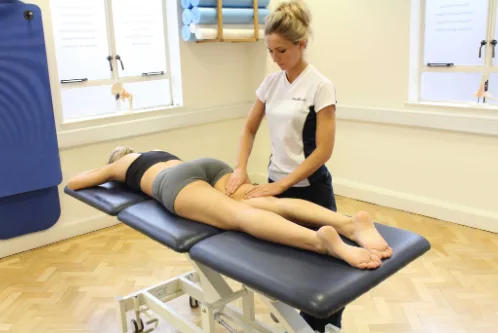
Remedial massage is a targeted form of massage that focuses on muscles and soft tissues. It is often used when a person experiences muscle tightness, stiffness, or discomfort that may affect everyday movement.
A remedial massage session may begin with a discussion about your symptoms and daily activities. The practitioner may ask about your work routine, exercise, movement habits, and previous injuries.
They may also assess how certain areas of the body move. This information can help the practitioner decide which muscles need attention and which massage techniques may be suitable.
Treatment can involve different levels of pressure and hands-on techniques. The approach should be adjusted according to the person’s needs and comfort.
Understanding Myotherapy
Myotherapy is another hands-on service that focuses on muscles, movement, and soft-tissue concerns. It commonly involves an assessment before treatment begins.
A myotherapist may ask when the problem started, what activities affect your symptoms, and whether certain movements feel restricted or uncomfortable. They may also observe posture and movement.
This assessment can help create a targeted treatment plan. Instead of focusing only on the area where discomfort is noticed, the practitioner may consider how different muscle groups work together.
Myotherapy and remedial massage have some similarities, but their assessment and treatment methods may differ. Both can be used to provide focused care for muscle tension and movement concerns.
Why Muscle Function Matters for Everyday Movement
Muscles play an important role in almost every physical activity. They help support the body, maintain posture, and create movement.
When muscles become tight or tired, a person may change the way they move without realising it. For example, someone with tight leg muscles may alter their walking pattern, while someone with shoulder tension may avoid certain upper-body movements.
These changes can make normal activities feel less comfortable.
Targeted remedial massage and myotherapy can focus on muscle-related concerns and support more comfortable movement. A personalised assessment can help identify areas that may need attention.
Common Causes of Muscle Tension
Muscle tension can develop for many reasons. Some causes are linked to work, while others may come from exercise or everyday movement habits.
Common factors include:
- Sitting for long periods
- Repeated movements
- Physical work
- Exercise and sports
- Poor movement habits
- Staying in one position for too long
- Sudden increases in activity
- Repeated use of the same muscle groups
For example, people who work at a desk may experience tension around the neck, shoulders, and upper back. People involved in physical work may place more demands on the back, hips, arms, or legs.
Understanding these factors can help a practitioner create a treatment plan that suits the individual’s lifestyle.
How Remedial Massage May Support Better Movement
Remedial massage uses hands-on techniques to work with muscles and soft tissues. Treatment can focus on areas where tension or discomfort is affecting movement.
The practitioner may use controlled pressure and specific massage techniques based on the condition of the muscles. The treatment should not simply rely on strong pressure.
Some people may feel more relaxed after treatment, while others may notice that certain movements feel easier or more comfortable.
Results can vary between individuals. The cause of the muscle tension, physical activity, daily habits, and response to treatment can all influence the outcome.
If you are considering remedial massage taringa, explaining your movement concerns to the practitioner can help them develop a more focused treatment approach.
Treating Neck and Shoulder Muscle Tension
The neck and shoulders are common areas of muscle tension. Working at a computer, driving, using a phone, and sitting for long periods can cause these muscles to remain in similar positions.
Over time, this may lead to feelings of tightness or stiffness. Some people may also notice that turning their head or moving their shoulders feels less comfortable.
Remedial massage can focus on the muscles around the neck, shoulders, and upper back. Pressure can be adjusted based on the person’s comfort and the condition of the muscles.
Myotherapy may also assess how the neck and shoulders move. This can provide additional information when creating a targeted treatment plan.
Supporting Back Muscle Function
The back muscles are involved in many everyday movements. They help the body when sitting, standing, bending, lifting, walking, and turning.
Long periods of sitting may contribute to stiffness, while repeated lifting or physical work can place additional demands on the muscles.
Remedial massage can focus on areas of muscular tension in the upper or lower back. The practitioner may also consider how nearby muscle groups work together.
Myotherapy can include movement assessment to better understand how muscle tension may relate to everyday activities.
However, severe or unexplained back pain should be assessed by an appropriate health professional rather than assumed to be simple muscle tension.
Improving Comfort Around the Hips and Legs
The hips and legs support many important movements. Walking, climbing stairs, standing, running, and exercising all rely on these muscle groups.
Long periods of sitting may contribute to tightness around the hips. Exercise and repeated physical activity can also make the leg muscles feel tired or tense.
Remedial massage can focus on selected muscles around the hips, thighs, and lower legs. Treatment can be adjusted according to the person’s symptoms and movement needs.
Myotherapy may also assess how the hips and legs move during simple activities. This can help guide more targeted hands-on treatment.
What to Expect During a Remedial Massage Appointment
A remedial massage appointment usually begins with a discussion about your concerns. The practitioner may ask where you feel tension, when it started, and which activities affect your symptoms.
You may also be asked about your work, exercise routine, previous injuries, and general movement habits.
An assessment may then take place. The practitioner may observe movement or check areas where muscles feel tight or sensitive.
After the assessment, the practitioner can explain the proposed treatment. During the session, communication is important. Let the practitioner know if the pressure feels uncomfortable or if a particular position causes pain.
The goal is to provide suitable treatment while keeping the session focused on your individual needs.
Benefits of a Personalised Treatment Plan
Every person has different physical demands. Someone who works at a computer may have different muscle concerns from someone who spends most of the day standing or performing physical tasks.
A personalised approach allows treatment to focus on the individual’s needs.
A remedial massage or myotherapy plan may focus on:
- Supporting comfortable movement
- Managing feelings of muscle tightness
- Working on specific muscle groups
- Supporting normal muscle function
- Improving awareness of movement habits
- Promoting physical relaxation
- Addressing tension linked to repeated activities
Treatment results can vary. Some people may notice changes after one session, while others may need additional appointments depending on their concerns.
The treatment approach can also be adjusted as the practitioner learns more about how the muscles respond.
Remedial Massage for Active Lifestyles
Exercise and physical activity place demands on muscles. Running, gym workouts, cycling, sports, and other activities can involve repeated muscle use.
Remedial massage may be used as part of muscle care for active people. Treatment can focus on areas that become tight or uncomfortable after physical activity.
It does not replace proper training, rest, or recovery. Instead, it can be one part of a wider approach to maintaining muscle comfort.
Myotherapy may also help active people understand movement-related muscle concerns through assessment and targeted treatment.
Supporting Muscle Function Between Appointments
Daily habits can affect how muscles feel between treatment sessions. Simple movement habits may help support comfortable mobility.
If you sit for long periods, take regular movement breaks. Standing up, walking around, and changing position can help prevent the body from remaining still for too long.
Gentle movement may also support normal mobility. Any stretching or exercise should be suitable for your individual needs and should not cause pain.
When increasing physical activity, do so gradually. Sudden changes in exercise levels can place extra demands on muscles.
Your practitioner may also provide movement suggestions based on your individual treatment plan.
Choosing Remedial Massage Services in Taringa
When searching for remedial massage taringa, consider whether the practitioner offers a personalised approach.
A suitable practitioner should take time to understand your symptoms, daily activities, and movement concerns. They should explain the treatment process clearly and allow you to communicate about pressure and comfort.
You may also wish to ask about the practitioner’s training, experience, treatment methods, and appointment process.
Avoid choosing a service based only on promises of guaranteed results. Muscle tension can have different causes, and each person can respond differently to hands-on treatment.
A clear assessment and individual treatment plan can help ensure that the service is better suited to your needs.
When Further Assessment May Be Needed
Not every movement problem or type of discomfort is caused by muscle tension. Some symptoms may require assessment by another qualified health professional.
Tell your practitioner about recent injuries, surgery, ongoing health concerns, or major changes in your symptoms before treatment.
Seek appropriate medical advice if you experience severe or unexplained pain, sudden weakness, significant swelling, numbness, or symptoms following a serious injury.
A responsible remedial massage practitioner or myotherapist should recognise when further assessment may be needed.
Conclusion
Muscles play an important role in comfortable everyday movement. Work, exercise, prolonged sitting, repeated movements, and physical tasks can all place extra demands on the body and contribute to muscle tension.
Remedial massage and myotherapy provide targeted, hands-on approaches that focus on muscles, soft tissues, and movement. Treatment can be adapted to individual concerns, allowing specific muscle groups and movement patterns to receive attention.
For people considering remedial massage taringa, choosing a practitioner who listens carefully, assesses your needs, and provides a personalised treatment approach can be a useful first step. With suitable hands-on care and sensible movement habits, these services can support comfortable movement and ongoing muscle care.