Industrial Equipment Choices That Support Clean Production Environments
Clean production environments need thoughtful planning that begins long before operations are underway. Equipment choices influence sanitation routines, material handling, employee workflow, and the overall order of a facility. Modern production spaces place increasing value on systems that support hygiene without disrupting efficiency. Decisions made at the equipment level often shape how smoothly teams maintain cleanliness throughout daily operations.
Manufacturers now evaluate equipment through a wider lens that includes surface design, access control, and compatibility with cleaning procedures. A well-structured equipment setup helps limit unnecessary exposure, supports organized processes, and contributes to a workspace that feels controlled and dependable. Clean production becomes a result of intentional design rather than constant correction.
Secure Liquid Handling
Liquid handling systems serve as a critical part of clean production environments, especially in operations involving bulk materials. Equipment designed for controlled filling, transfer, and drainage helps maintain orderly workflows while reducing the chance of spills or residue buildup. Clear containment supports sanitation efforts by keeping liquids confined to designated areas. Proper handling methods allow teams to monitor processes without disrupting surrounding operations.
Many facilities incorporate a vat container into their liquid handling setup to support structured storage and processing. A well-designed container allows for the predictable movement of materials while supporting routine cleaning procedures. Placement, access points, and drainage features all contribute to how effectively the container supports hygiene goals across the production floor.
Sanitary Materials
Equipment surfaces that resist corrosion, staining, and absorption support consistent sanitation routines. Smooth, non-porous materials help limit residue retention and allow cleaning teams to work efficiently. Visual cleanliness often improves alongside functional hygiene when surfaces maintain their integrity.
Production facilities often review how materials respond to repeated exposure to moisture, heat, and cleaning agents. Compatibility with sanitation protocols supports long-term usability and appearance. Durable, hygienic materials help maintain confidence in both the equipment and the environment where products are handled.
Proper Sizing
Equipment sizing influences both production flow and cleanliness management. Systems that align with actual processing volume help limit unnecessary handling and excess surface area. Balanced sizing supports predictable operations and keeps materials contained within defined boundaries. Clean production benefits from equipment that fits the scale of the task without creating unused zones that complicate sanitation.
Facilities often assess batch requirements, available floor space, and workflow patterns during the sizing process. Thoughtful sizing reduces congestion and supports logical equipment placement. A well-proportioned setup helps teams maintain organized cleaning routines while supporting smooth production movement.
Minimal Crevices
Design features such as joints, seams, and corners influence how easily equipment can be cleaned. Surfaces with minimal crevices support thorough sanitation by reducing areas where residue may collect. Clean lines and simplified construction allow cleaning procedures to reach all exposed areas without added effort.
Many operations favor equipment with welded joints, rounded edges, and seamless transitions. Such designs support consistent hygiene practices and reduce inspection concerns.
Controlled Access
Controlled access supports clean production by guiding how operators interact with equipment. Designated access points help limit unnecessary contact and reduce the potential for contamination. Clear access design supports consistent use and aligns with sanitation procedures established within the facility.
Equipment featuring purpose-built lids, ports, or panels allows teams to perform monitoring and cleaning tasks without disrupting surrounding processes. Thoughtful access design encourages order and predictability.
High-Volume Safety
Handling large volumes of materials introduces additional considerations for cleanliness and operational control. Equipment designed for high-capacity use must support predictable flow while limiting splashing, overflow, or uncontrolled movement. Stable structures, reinforced components, and carefully planned discharge systems help maintain order during processing. Clean production depends on equipment that performs consistently under demanding conditions without creating additional sanitation challenges.
Facilities often evaluate how high-volume equipment interacts with surrounding systems. Proper alignment with conveyors, pumps, or transfer lines supports safer handling and reduces manual intervention. Equipment that manages volume effectively helps teams maintain clean surroundings even during peak production periods.
Hygiene Alignment
Equipment selection often aligns closely with industry hygiene guidelines and internal quality standards. Components designed to meet recognized sanitation requirements support compliance while simplifying audits and inspections. Clear alignment with hygiene expectations helps production teams follow consistent procedures without constant adjustment.
Manufacturers frequently review equipment specifications to confirm compatibility with industry practices. Design elements such as cleanable seals, accessible contact surfaces, and documented material properties support confidence in sanitation outcomes.
Washdown Design
Efficient washdown capability remains essential in clean production environments. Equipment designed for routine washdowns supports thorough cleaning without compromising performance or longevity. Surfaces that allow water and cleaning solutions to flow freely help reduce residue and support consistent sanitation results.
Facilities often favor equipment that accommodates repeated cleaning cycles without degradation. Sloped surfaces, sealed components, and drainage-friendly construction support effective washdown routines. Thoughtful washdown design allows cleaning teams to work efficiently while maintaining equipment integrity across repeated use.
Smart Equipment Placement
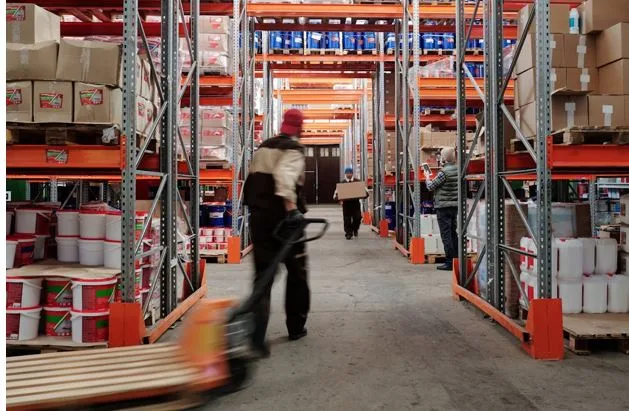
Thoughtful positioning allows teams to move materials efficiently while limiting unnecessary contact between processes. Clear separation between stages of production helps reduce congestion and supports organized sanitation routines. When equipment fits naturally within the workflow, cleaning tasks become more straightforward and predictable.
Facilities often consider access paths, drainage routes, and spacing during layout planning. Adequate clearance around equipment allows cleaning teams to reach all surfaces without obstruction. Strategic placement supports airflow, visibility, and safe movement, contributing to a workspace that feels orderly and controlled throughout daily operations.
Monitoring Features
Monitoring features provide valuable insight into how equipment performs during production and cleaning cycles. Sensors, gauges, and visual indicators help teams track temperature, flow, pressure, or cleaning activity. Access to real-time information supports prompt adjustments and reinforces consistent sanitation practices across shifts. Monitoring reduces guesswork and strengthens confidence in daily routines.
Facilities often integrate monitoring tools that align with existing maintenance systems. Data collected through these features supports documentation and helps identify patterns that influence cleanliness. A reliable monitoring setup helps teams stay aware of conditions that affect hygiene, allowing issues to be addressed before they disrupt production.
Equipment Layouts
Inspection and oversight become more effective when equipment layouts support clear visibility and access. Clean production environments benefit from arrangements that allow supervisors and inspectors to observe surfaces, connections, and processes without difficulty. Open sightlines help confirm cleanliness and support routine checks without interrupting operations.
Layout designs that prioritize visibility encourage accountability and consistency. Equipment positioned for easy inspection supports regular review and simplifies compliance checks. Clear oversight contributes to a culture of cleanliness by making sanitation practices visible and manageable throughout the facility.
Clean production environments rely on equipment choices that support hygiene through design, material selection, and operational control. From liquid handling systems to washdown-ready construction, each decision contributes to how effectively cleanliness is maintained throughout daily operations. Equipment that supports predictable processes and straightforward sanitation routines helps create an orderly, dependable production setting. A well-planned equipment strategy encourages efficiency, clarity, and confidence across the facility. Clean production becomes an outcome of intentional design and informed selection rather than constant correction.