
Innovative Approaches to Manage Acne and Scars
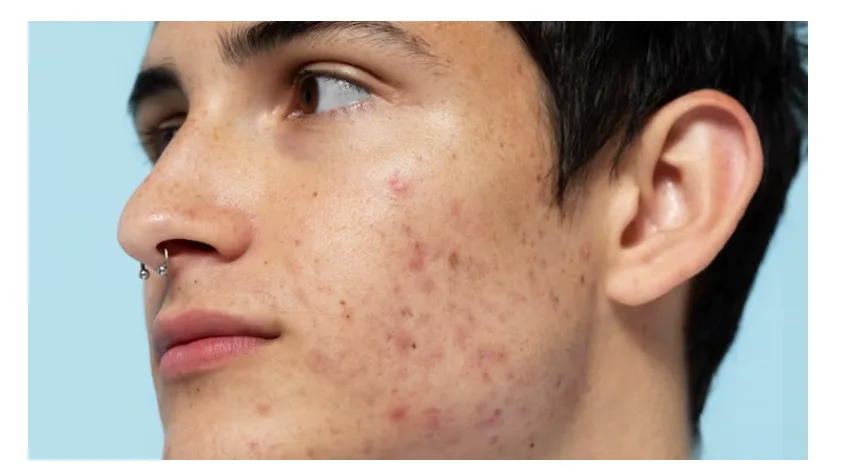
Acne is not only a common skin issue but also a source of psychological stress for many. People often struggle with persistent breakouts, redness, and the aftermath of scars that can linger long after pimples have healed. Early and professional intervention is crucial to maintain healthy, clear skin. Clinics like Gold City provide advanced dermatological care, helping patients manage acne effectively and reduce the chances of long-lasting scars.
Understanding the Root Causes
Acne develops when hair follicles are blocked by sebum, dead skin cells, and bacteria. Hormonal changes, particularly during adolescence, pregnancy, or menstrual cycles, can increase oil production, creating an ideal environment for breakouts. Genetics also play a role; individuals with a family history of acne are more likely to experience severe cases. Additionally, lifestyle factors such as stress, poor diet, and inadequate sleep can exacerbate the condition. Knowing these root causes helps in selecting an appropriate treatment plan.
Different Types of Acne and Scarring
Acne manifests in multiple forms, including blackheads, whiteheads, papules, pustules, nodules, and cysts. Non-inflammatory types like blackheads and whiteheads are generally easier to treat. Inflammatory acne, including cysts and nodules, is more severe and can cause scarring if left untreated. Scars may appear as depressions (atrophic), raised bumps (hypertrophic), or dark spots (post-inflammatory hyperpigmentation). Understanding these distinctions is important to target treatment correctly.
Modern Treatment Options
Managing acne and scars today involves a combination of topical treatments, oral medications, and advanced procedures. Topical retinoids, salicylic acid, and benzoyl peroxide help unclog pores and reduce inflammation. Oral medications, such as antibiotics or hormonal therapy, can be prescribed for persistent cases. Advanced interventions like microneedling, laser therapy, and chemical peels stimulate collagen production and accelerate skin repair, reducing the visibility of scars. Choosing the right combination of therapies ensures better results.
Mid-Stage Care for Lasting Results
Patients with persistent acne and noticeable scarring benefit from mid-stage interventions. Specialized acne and scars treatments target both active breakouts and damaged skin tissue. These treatments help diminish scars, improve skin texture, and prevent future blemishes. Working with professionals ensures that therapies are safe, customized, and effective.
Recovery and Skin Maintenance
Recovery from acne treatments varies depending on the chosen procedure. Mild redness, peeling, or swelling may occur temporarily. Following aftercare instructions is vital for optimal results. Gentle cleansing, avoiding harsh products, and consistent use of sunscreen can prevent complications. Additionally, maintaining a balanced diet, staying hydrated, and managing stress support long-term skin health and minimize recurrence.
Preventive Measures
Preventing acne and minimizing scars requires adopting a daily skincare routine and healthy lifestyle habits. Wash the face twice a day, use non-comedogenic moisturizers, avoid touching or picking the skin, and maintain a nutrient-rich diet. Regular sun protection is crucial to prevent pigmentation and worsening of scars. Early management and preventive practices make a significant difference in the overall skin appearance.
Conclusion
Acne and scars are common but challenging skin concerns that can impact confidence and quality of life. Understanding the causes, identifying the type of acne, and pursuing professional treatment are essential steps toward healthier skin. Effective treatments, including topical medications, oral therapy, chemical peels, microneedling, and laser procedures, can significantly improve outcomes. Patients seeking professional guidance can rely on Gold City for expert care, while specialized acne and scars therapies help restore smoother, clearer, and healthier skin.