Inside an Emergency Dental Visit: Procedures, Tools & Pain Management Explained
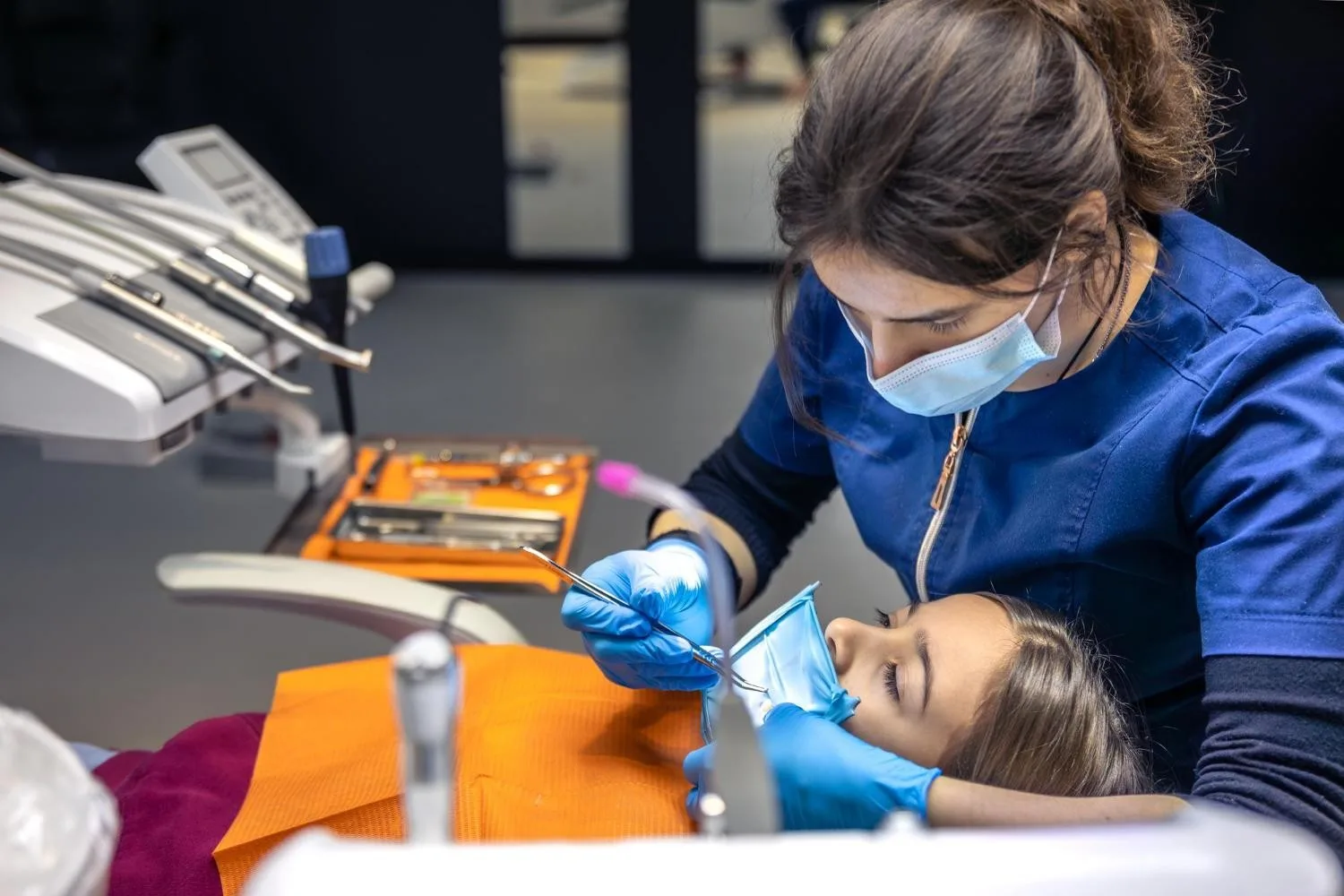
Waking up with a throbbing toothache or experiencing a sudden injury to the mouth can be a frightening experience. When such cases occur, understanding what occurs during an emergency dental visit can help ease anxiety and prepare you for the road to recovery. In dentistry, an emergency is not necessarily about pain; instead, it is about maintaining the integrity of your smile and preventing additional infection.
The idea behind an emergency visit is twofold: you need to relieve the pain and stabilize the situation.
The First Evaluation: What Is the First Evaluation?
When you come with some emergency care, the clinical team is concerned about speed and accuracy. In contrast to a regular cleaning, an emergency visit is all about the chief complaint, or the particular part that is causing distress.
Diagnostic Imaging and Visual Exams
A dentist will usually employ digital X-rays in order to check what is going on below the gum line. This device is critical in the detection of abscesses, concealed fractures, or bone damage that is not seen with the naked eye. In cases of trauma, the dentist also checks for soft tissue injuries and ensures the jaw’s alignment hasn’t been compromised.
Estimating Level of Urgency
The dentist will classify the problem to determine what is most appropriate. For instance, a tooth that has been knocked out (avulsed) will need to be re-implanted within an hour of the best opportunity of success, and a lost filling may be stabilized temporarily to prevent sensitivity.
Ordinary Operations and Expert Equipment
The diagnosis determines the type of treatment that you will receive on your visit. Contemporary dentistry employs certain equipment that allows solving the problem fast and easily.
Restorative Repairs and Root Canals
Root Canal Treatment can be required in case the pain is brought about by an infected nerve. The dentist uses special endodontic files and irrigation tools to remove the infected pulp to prevent sensitivity to hot and cold. If the tooth is cracked, a temporary Dental Crown might be placed to protect the tooth until a permanent, customized solution can be fabricated.
Extractions and Surgical Intervention
When a tooth is so badly damaged that it cannot be saved, a gentle extraction can be the only possible way to prevent the further spread of infection to the rest of the mouth. This is usually the last option, as the main aim is always to save natural teeth.
Pain Control and Comforting the Patient
The way the pain will be handled during the procedure is one of the greatest concerns of the patients. Dentists employ numerous techniques to make the experience enjoyable.
Local Anesthesia and Sedation
Local anesthesia is the most frequently used pain management tool; it is used to numb a particular area of the body during treatment. In patients of high anxiety or in patients undergoing more complex procedures, extra sedation options can be discussed to help the patient remain relaxed and stress-free.
Post-Visit Care
Following the procedure, the dentist might prescribe antibiotics to combat infection or a certain over-the-counter painkiller. You will also be given comprehensive guidelines on how to maintain the site in order to heal quickly and avoid complications such as dry socket.
Conclusion: Trusted Emergency Care in League City
A dental crisis is a serious matter, and it makes all the difference when an informed staff is at your side. Dr. Brad Miller has over 30 years of experience in delivering a friendly, honest, and knowledgeable approach to oral health. We are on the same mission: to make people smile through comfortable and durable dentistry.
In need of a skilled professional that Dentist League City residents have been relying on since 1992. Then look no further. At Miller Dentistry, we are on hand to assist when accidents occur, so that your smile remains healthy over the years to come.
FAQs:
What is the recommended action to take in case a tooth is knocked out?
Grasp the tooth at the top (crown) and not at the root. Wet it with water, if it is dirty, and endeavour to fit it into the socket again. In case that is not possible, keep it wet in a small container of milk and call us at once.
Do all cracked teeth constitute a dental emergency?
Yes: although it may not hurt at the time, a crack can cause the inner nerves to be exposed to bacteria, which will lead to infection or a painful abscess. One should have it examined as soon as possible to avoid the simple fix being turned into a complicated root canal.
What should I do to determine whether my toothache is an emergency?
When the pain is persistent, throbbing, or swelling of the gums or face, it is an emergency. Foul taste in the mouth and fever are also symptoms of a serious infection that needs to be dealt with immediately.
Does Miller Dentistry provide emergencies to new patients?
Absolutely. Our patients are all around the area, and your length of stay with us is irrelevant, be it years or months. We welcome you to call us today to book an appointment.