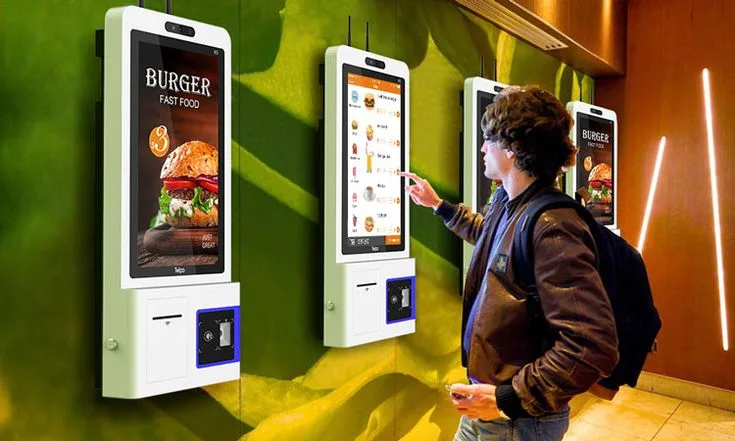
Interactive Kiosks and the Future of On-Site Digital Interaction
In today’s fast-paced environment, physical spaces such as stores, restaurants, and hotels are embracing technology to enhance on-site interactions. Interactive kiosks have become a central element of this transformation, reshaping the way customers engage with services, access information, and complete transactions. These digital touchpoints bridge the gap between online convenience and real-world presence, enabling experiences that are intuitive, efficient, and increasingly personalised.
What Are Interactive Kiosks?
Interactive kiosks are self-service digital terminals that allow users to perform specific tasks independently—whether ordering, checking in, wayfinding, or accessing tailored information. They are typically equipped with touchscreens or integrated input methods, enabling direct interaction without staff mediation. Their core value is reducing friction in customer journeys and empowering individuals to engage with services at their own pace.
Why On-Site Digital Interaction Matters
As consumer expectations evolve, on-site digital interaction is becoming a key differentiator for brands and venues. Several factors are driving this change:
- Demand for Speed and Convenience: Users increasingly prefer quick and self-directed experiences. Interactive kiosks cut down queues and provide predictable, consistent navigation through essential tasks.
- Data-Driven Experience Design: Digital systems capture usage patterns and preferences, supporting continuous improvement in service delivery.
- Consistency Across Locations: When deployed at scale and connected through centralised software, kiosks ensure a uniform experience across multiple sites.
This technology fundamentally shifts how organisations think about customer engagement, meeting expectations for both autonomy and immediacy.
How Kiosks Enhance Customer Journeys
Interactive kiosks contribute to on-site digital interaction in several measurable ways:
Streamlined Transactions
Self-service terminals simplify transactions — from taking orders in casual dining to processing check-ins at hospitality venues. The ability to present menus, offers, and interaction options directly to the user increases throughput and reduces dependence on frontline staff.
Greater Control for Users
Customers feel in control when they can interact with digital interfaces that respond immediately and consistently. This increases satisfaction and, in many cases, reduces perceived waiting times.
Support for Operational Efficiency
By automating routine interactions, kiosks allow staff to focus on more complex customer needs. At scale, this can improve operational performance and reduce overheads in high-traffic environments.
The Role of Software and Connectivity
The power of interactive kiosks lies not just in their hardware but also in the software that drives content and functionality. Centralised platforms can manage content, monitor performance, and update devices remotely. Tools such as cloud-based management ensure that screens, menus, and experiences stay current across an entire kiosk estate. This connectivity is a key enabler of consistency and agility, particularly for organisations operating multiple sites.
Industry Applications Across Sectors
Interactive kiosks are not limited to one sector. Their application spans several on-site environments:
- Retail: Self-service terminals help shoppers browse inventory, place orders and access personalised offers, reducing friction in the purchase funnel.
- Hospitality: Guests benefit from digital check-in or ordering options that free up staff to deliver higher-value service. Data indicate that kiosks can increase basket value and improve throughput.
- Travel and Ticketing: Wayfinding and self-ticketing kiosks help travelers navigate busy spaces, such as transport hubs and event venues, improving clarity and reducing physical queues.
Design Considerations for Effective Interaction
For interactive kiosks to succeed, human-centred design must be a priority. Key considerations include:
- Accessibility: Interfaces should be usable by people with diverse needs, including those with limited mobility or visual impairments.
- Clarity of Information: Screens should present information and options clearly and logically, minimising cognitive load.
- Responsiveness: Interfaces must be responsive and reliable, providing clear feedback for user inputs.
Ensuring that interactive kiosks adhere to these design principles enhances usability and builds trust in the technology.
Emerging Trends and the Path Ahead
Looking ahead, several trends are likely to shape the future of on-site digital interaction:
- Integration of AI and Personalisation: As kiosk systems become more intelligent, they will anticipate user needs and adapt content accordingly.
- Seamless Omnichannel Experiences: Kiosks will increasingly integrate with mobile and online systems, creating a unified experience across touchpoints.
- Enhanced Accessibility Standards: Evolving regulations will drive adoption of inclusive design practices, making kiosks more accessible to all visitors.
These developments point to a future in which interactive technologies are not just tools for convenience but strategic enablers of richer customer engagement.
Conclusion
Interactive kiosks have become essential components of modern on-site digital interactions. By offering self-guided, efficient, and engaging touchpoints, they transform how users interact with services across retail, hospitality, and public spaces. With connected software and thoughtful design, kiosks can support consistent experiences that align with user expectations and organisational goals.
Integrating well-designed kiosk solutions — such as those showcased by Evoke Creative — into physical environments catalyses a shift towards more responsive, personalised and friction-free customer journeys.