Interlocking Patio Installation in Toronto: 6 Design and Construction Decisions That Affect Long-Term Durability
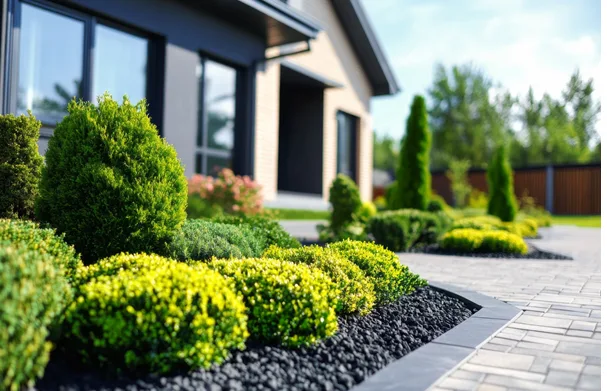
An interlocking patio can transform an ordinary backyard into a comfortable space for outdoor dining, entertaining, or relaxing. Unlike a decorative garden feature, a patio is a functional surface that must support furniture, accommodate regular foot traffic, and connect naturally with the surrounding landscape. Choosing attractive paving stones is important, but appearance alone cannot determine whether the finished patio will remain practical and stable over time.
For Toronto homeowners, outdoor construction also involves challenges created by seasonal temperature changes, heavy rainfall, and freeze-thaw cycles. Poorly prepared foundations, inadequate drainage, and unstable edges can cause paving stones to shift or settle after installation. Understanding the technical requirements ofinterlocking installation helps homeowners make better decisions about materials, construction methods, and long-term maintenance before beginning a backyard renovation.
A successful patio project depends on several decisions that are often overlooked during the design stage. The size and placement of the surface influence everyday usability, while paving materials, foundation preparation, drainage, and jointing systems determine how it performs over time. These six considerations provide a practical framework for planning an interlocking patio that looks attractive without compromising construction quality.
Patio Layout and Dimensions for Comfortable Outdoor Living
The first important decision is determining how the patio will actually be used. A surface designed for a small café table requires a different layout from one intended to accommodate a dining set, barbecue, and outdoor seating area.
Homeowners sometimes select patio dimensions based entirely on the available backyard space. However, a patio can occupy a large portion of the garden and still feel inconvenient if furniture placement and movement around the area have not been considered.
Before finalizing the dimensions, it is worth identifying the activities the patio should accommodate.
Important planning considerations include:
- Furniture dimensions. Allow enough room for tables, chairs, loungers, and other outdoor furnishings.
- Circulation space. Provide practical routes around furniture and between the patio, house, and garden.
- Door access. Coordinate patio elevations with entrances, steps, and existing thresholds.
- Sun exposure. Consider how shade and direct sunlight will affect the intended activities.
- Outdoor equipment. Plan suitable locations for barbecues, planters, and other heavy or frequently used features.
- Future additions. Account for possible lighting, seating walls, or garden improvements.
For example, a dining table may fit comfortably within the proposed patio dimensions while leaving insufficient room to pull out chairs. Similarly, locating a barbecue beside a frequently used walkway can create congestion during gatherings.
The relationship between the patio and the house is equally important. A patio positioned directly outside the kitchen may be convenient for outdoor dining, but its finished height must be coordinated with door thresholds and drainage requirements.
Multi-level patios introduce additional considerations. Changes in elevation may require steps or retaining structures, and these elements should be incorporated into the initial layout rather than added after construction.
TIP: Arrange outdoor furniture on the lawn before construction or mark its dimensions with temporary tape and stakes. Walk around the proposed layout to check whether seating, entrances, and circulation routes feel comfortable.
A functional layout should make the outdoor space easy to use without requiring unnecessary movement around furniture or other obstacles. When these considerations are addressed early, the finished patio is more likely to support the homeowner’s everyday needs.
Interlocking Patio Stones and Material Selection
The second decision involves selecting paving stones that match the patio’s intended use, design, and maintenance expectations. Interlocking patio stones are available in different dimensions, thicknesses, textures, colours, and edge profiles, each affecting the finished appearance and installation requirements.
Large-format slabs can create a clean contemporary look, while smaller paving units allow more detailed patterns and decorative borders. However, material selection should also consider structural suitability, surface texture, and compatibility with the proposed foundation.
Not every paving product is intended for the same application. A unit designed primarily for pedestrian patios may not be suitable for vehicle traffic, while some large-format slabs require specific installation procedures and handling equipment.
Different product characteristics influence practical performance:
| Paver characteristic | Practical advantage | Important consideration |
| Large-format slabs | Contemporary appearance with fewer visible joints | Require suitable support and careful handling |
| Smaller interlocking units | Flexible patterns and easier localized replacement | More joints to maintain |
| Textured surfaces | May provide better traction in wet conditions | Cleaning requirements vary by finish |
| Smooth architectural finishes | Refined appearance for modern patios | Check wet-weather suitability |
| Light-coloured pavers | Can create a brighter outdoor space | Some stains may be more noticeable |
| Dark-coloured pavers | Strong contrast with landscaping and building materials | May become hotter in direct sunlight |
One detail worth considering is the availability of replacement units. A distinctive paving collection may look attractive when installed, but matching individual stones several years later can become difficult if the product has been discontinued.
Homeowners should also evaluate whether a particular finish is appropriate for outdoor furniture and regular maintenance. Highly textured surfaces may be visually appealing but can make certain furniture arrangements or cleaning tasks less convenient.
Colour selection should complement the architecture of the house rather than follow a temporary design trend. Neutral paving tones often provide flexibility when outdoor furniture, fencing, or garden planting changes.
TIP: Ask to see full-size paving samples outdoors rather than choosing exclusively from catalogue photographs. Natural lighting, moisture, and surrounding materials can noticeably affect the appearance of a paving stone.
The best material is not necessarily the most expensive option. It is a product that meets the patio’s functional requirements, suits the property, and remains practical to maintain.
Patio Excavation and Base Preparation for Lasting Stability
The third decision concerns the construction beneath the visible paving. An interlocking patio relies on a stable foundation to support the surface and reduce movement caused by settlement, moisture, and seasonal changes.
The excavation depth and composition of the supporting structure depend on soil conditions, the selected paving system, and the intended use of the patio. There is no single foundation specification appropriate for every property.
Construction generally begins by removing grass, topsoil, and unsuitable materials. The exposed subgrade is assessed before the granular base is installed and compacted.
Several elements influence foundation performance:
- Subgrade condition. Weak or saturated soil may require additional preparation.
- Excavation depth. The supporting structure must accommodate the selected paving system and site conditions.
- Granular materials. Aggregate should be appropriate for the specified foundation construction.
- Layer compaction. Supporting materials require consistent compaction to reduce future settlement.
- Base elevations. The foundation must support the planned finished surface grades.
- Bedding layer. Bedding provides uniform support for the paving units and should not be used to compensate for major base irregularities.
One common misconception is that adding more bedding sand can correct an uneven foundation. In reality, excessive or inconsistent bedding thickness may lead to uneven settlement after installation. The granular base should already have the required profile before the bedding layer is prepared.
Consider two neighbouring backyards with similar patio dimensions. One has stable supporting soil, while the other contains poorly compacted fill left from previous construction. Although the finished patios may appear identical, the second project could require additional excavation or stabilization.
Ontario’s freeze-thaw conditions make these differences especially relevant. Moisture in susceptible soils can contribute to seasonal movement, while inadequate compaction may cause paving units to settle unevenly.
A poorly prepared foundation may remain hidden for months before problems become visible. Gradual settlement can create depressions around furniture, uneven joints, or differences in height between the patio and adjacent structures.
TIP: Before accepting a construction estimate, ask what excavation, granular base preparation, and compaction are included. Two quotations for the same patio area may propose substantially different foundation work.
Proper groundwork is one of the most valuable parts of the installation because correcting foundation problems often requires removing sections of finished paving.
Patio Drainage and Professional Installation in Toronto
The fourth decision involves managing water across and beneath the patio. Even a stable foundation can develop problems when surface runoff is directed towards vulnerable areas or moisture repeatedly accumulates within the supporting structure.
A patio should be graded to move rainwater and melting snow towards suitable drainage locations. The finished surface must also be coordinated with nearby entrances, foundations, planting beds, and existing yard elevations.
Drainage becomes particularly important when replacing lawn with a larger paved area. The new surface may change existing runoff patterns, increasing the amount of water reaching certain parts of the property.
Several conditions deserve attention during planning:
- Patios located directly beside basement walls or exterior doors.
- Backyards where water collects after heavy rainfall.
- Properties with clay-rich or poorly draining soil.
- Sloping sites requiring retaining walls or substantial grading changes.
- Patios connected to existing walkways or other paved surfaces.
For example, a patio installed beside a rear entrance may appear properly level but still direct water towards the building if its surface grades were not planned correctly. Correcting the problem later may require lifting paving stones and reconstructing sections of the supporting base.
An important distinction also exists between conventional interlocking paving and permeable paving systems. Standard pavers are not automatically designed to absorb and manage large volumes of stormwater simply because they have joints. Engineered permeable systems require specific materials, supporting layers, and drainage arrangements.
For homeowners researching interlocking patio installation, Landschaft Construction provides patio construction services throughout Toronto and the Greater Toronto Area. Its work includes site preparation, excavation, base compaction, drainage planning, and interlocking stone installation. These stages are particularly important where patio construction affects existing drainage patterns or connections to other outdoor structures.
Local conditions should also be considered when changing ground elevations. Depending on the project, municipal grading requirements or other approvals may apply, particularly where drainage could affect neighbouring properties.
TIP: Observe the proposed patio area during heavy rainfall and spring thaw. Photograph locations where water collects or flows towards the house, then discuss these conditions before the final installation elevations are established.
A well-planned drainage system protects more than the paving itself. It helps maintain the functionality of surrounding landscape features and reduces the likelihood of expensive corrective work.
Patio Edge Restraints and Jointing Materials for Long-Term Performance
The fifth and sixth decisions concern the components that keep paving stones correctly positioned after installation.
Edge restraints provide lateral support around the patio perimeter, helping prevent individual units from spreading or shifting. Jointing materials fill the spaces between paving stones and contribute to the performance of the interlocking system.
Although both components are less noticeable than the paving stones, they have a direct influence on long-term stability and maintenance.
Edge Restraints and Perimeter Stability
A patio edge that is not adequately restrained can gradually lose alignment. Repeated foot traffic, seasonal ground movement, or loads near the perimeter may allow paving units to shift.
Different installations may use suitable manufactured restraints, concrete edging, or other appropriately designed boundary systems.
The correct solution depends on the paving product, construction method, and surrounding landscape.
Particular attention is needed where the patio meets a lawn, planting bed, walkway, or another surface. These transitions should remain stable while allowing the finished patio to integrate naturally with the surrounding area.
Jointing Materials and Surface Maintenance
Jointing materials help maintain consistent spacing between paving units and support the intended interlocking action.
Two common options are conventional jointing sand and polymeric sand. They differ in their installation requirements and maintenance characteristics.
- Conventional jointing sand. A traditional material used to fill joints, which may require replenishment over time.
- Polymeric sand. Contains binding agents designed to stabilize joints when installed and activated according to the manufacturer’s instructions.
- Joint compatibility. The selected product must suit the width and depth of the paving joints.
- Installation conditions. Surface cleanliness, moisture, and weather conditions influence correct application.
- Ongoing maintenance. Joint condition should be monitored after seasonal changes and cleaning.
Polymeric sand can help limit joint erosion and unwanted vegetation, but it is not a substitute for correct drainage or foundation preparation. Incorrect installation may also lead to surface residue or unsatisfactory joint performance.
Maintenance practices influence the condition of an interlocking patio over time. Pressure washing with excessive force can remove jointing material, while aggressive snow removal may damage paving edges or finishes.
Homeowners should follow the paving manufacturer’s recommendations for cleaning, de-icing products, and surface protection.
TIP: Inspect patio edges and joints each spring. Look for widening gaps, loose perimeter stones, missing joint material, or local settlement. Addressing small defects early is usually easier than repairing larger sections after movement progresses.
Properly installed edge restraints and compatible jointing materials help maintain the finished paving pattern while reducing avoidable maintenance problems.
Planning a Durable Interlocking Patio in Toronto
A successful interlocking patio depends on six connected decisions: functional layout, appropriate paving materials, reliable foundation preparation, effective drainage, stable edge restraints, and compatible jointing materials. Each affects the performance of the finished surface. Attractive paving stones cannot compensate for an unstable foundation, while correct groundwork may still require repairs if drainage or perimeter support is inadequate.
Toronto’s seasonal climate makes these construction details especially important. Freeze-thaw cycles, heavy rainfall, and changing soil moisture can expose weaknesses that are not visible immediately after installation. Reviewing the proposed construction methods before work begins gives homeowners a better understanding of how their patio will perform over time.
The most successful patios balance appearance with comfort, durability, and manageable maintenance. By planning furniture placement, selecting suitable materials, and paying attention to the components beneath and around the paving, homeowners can create outdoor spaces that remain practical through years of everyday use and changing Canadian seasons.