Introduction to Surface Mount Assembly
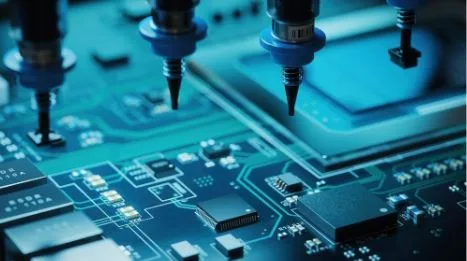
Surface Mount Assembly (SMA) is a widely used method in the electronics manufacturing industry for mounting components onto the surface of a printed circuit board (PCB). This method has become popular due to its efficiency, speed, and ability to handle high-density components. SMA is a crucial step in the production of various electronic devices, ranging from smartphones to automotive systems.
What is Surface Mount Assembly?
Surface Mount Assembly refers to the process of placing electronic components onto the surface of a PCB, rather than inserting them through holes in the board. Components used in SMA are known as surface mount devices (SMDs). These components are generally smaller and more compact than their through-hole counterparts, making them ideal for modern electronics that require high-performance in limited space.
SMA involves several stages, including solder paste application, component placement, reflow soldering, and inspection. Each of these stages plays a critical role in ensuring the final product is reliable and meets industry standards.
The Stages of Surface Mount Assembly
- Solder Paste Application
The first step in the Surface Mount Assembly process is the application of solder paste. Solder paste is a mixture of fine solder particles and flux, and it is applied to the PCB in the locations where components will be placed. The paste helps to hold the components in place temporarily and facilitates the soldering process by creating a strong electrical connection between the component leads and the PCB.
- Component Placement
Once the solder paste is applied, the next step is placing the SMDs onto the PCB. This is typically done using a pick-and-place machine, which accurately positions the components based on the design specifications. The pick-and-place machine picks up each component from a feeder and places it onto the board, aligning it with the solder paste.
- Reflow Soldering
After the components are placed, the board enters the reflow soldering stage. In this process, the PCB is passed through an oven where the solder paste is heated to its melting point. As the solder melts, it forms a solid electrical connection between the component leads and the PCB. The temperature profile within the reflow oven is carefully controlled to ensure that the solder melts properly without damaging sensitive components.
- Inspection and Testing
After reflow soldering, the assembled board undergoes thorough inspection. Automated optical inspection (AOI) systems are commonly used to identify any defects in the solder joints or component placement. These systems use high-resolution cameras to capture detailed images of the board, allowing operators to spot potential issues.
In addition to AOI, functional testing is also performed to ensure the assembled circuit board operates as expected. This may involve checking electrical continuity, signal integrity, and overall functionality of the device.
Advantages of Surface Mount Assembly
- Increased Component Density
One of the main benefits of Surface Mount Assembly is the ability to place more components on a PCB, even in limited spaces. Since SMDs are smaller than traditional through-hole components, they allow for greater component density, making it possible to design smaller, more compact electronic devices.
- Improved Performance
SMDs are designed to provide better electrical performance compared to through-hole components. Their smaller size allows for shorter leads, which results in lower inductance and resistance. This is particularly beneficial for high-frequency applications, such as RF and microwave circuits, where performance is critical.
- Cost Efficiency
Surface Mount Assembly is more cost-effective than through-hole assembly due to its automated nature and the use of smaller components. The pick-and-place machines used in SMA are highly efficient and can place a large number of components in a short amount of time, reducing labor costs and increasing throughput.
- Enhanced Reliability
SMDs are generally more reliable than through-hole components due to their design and the fact that they are mounted directly onto the surface of the PCB. This reduces the likelihood of issues such as cold solder joints or cracked component leads. Additionally, the smaller size of SMDs allows for better heat dissipation, which further enhances the overall reliability of the assembly.
Applications of Surface Mount Assembly
Surface Mount Assembly is used in a wide range of industries, including consumer electronics, automotive, telecommunications, and medical devices. Some common applications include:
* **Smartphones and Tablets**: SMA is used to assemble the compact and high-performance PCBs found in modern smartphones and tablets. * **Automotive Electronics**: The automotive industry uses SMA to produce reliable and space-efficient circuit boards for various systems, including infotainment, navigation, and safety features. * **Medical Devices**: SMA is critical in the production of medical devices, where precision and reliability are essential for patient safety. * **Wearable Devices**: As wearables continue to gain popularity, SMA enables the production of small, lightweight, and high-performance PCBs that power devices like smartwatches and fitness trackers.
Choosing the Right Surface Mount Assembly Partner
When selecting a Surface Mount Assembly provider, it’s essential to choose a company with extensive experience and a track record of quality. A trusted provider will ensure that the SMA process is carried out efficiently, and the final product meets the required standards. [First Choice Assembly](https://www.firstchoiceassembly.com/services/surface-mount-assembly) is one such provider, offering high-quality Surface Mount Assembly services that meet the needs of various industries.
Conclusion
Surface Mount Assembly has become the standard for modern electronics manufacturing due to its efficiency, cost-effectiveness, and ability to handle high-density components. From solder paste application to reflow soldering and inspection, every step of the process is crucial to achieving reliable and high-performance products. As the demand for smaller, more powerful electronics continues to grow, Surface Mount Assembly will remain a critical technology in the production of the next generation of electronic devices.