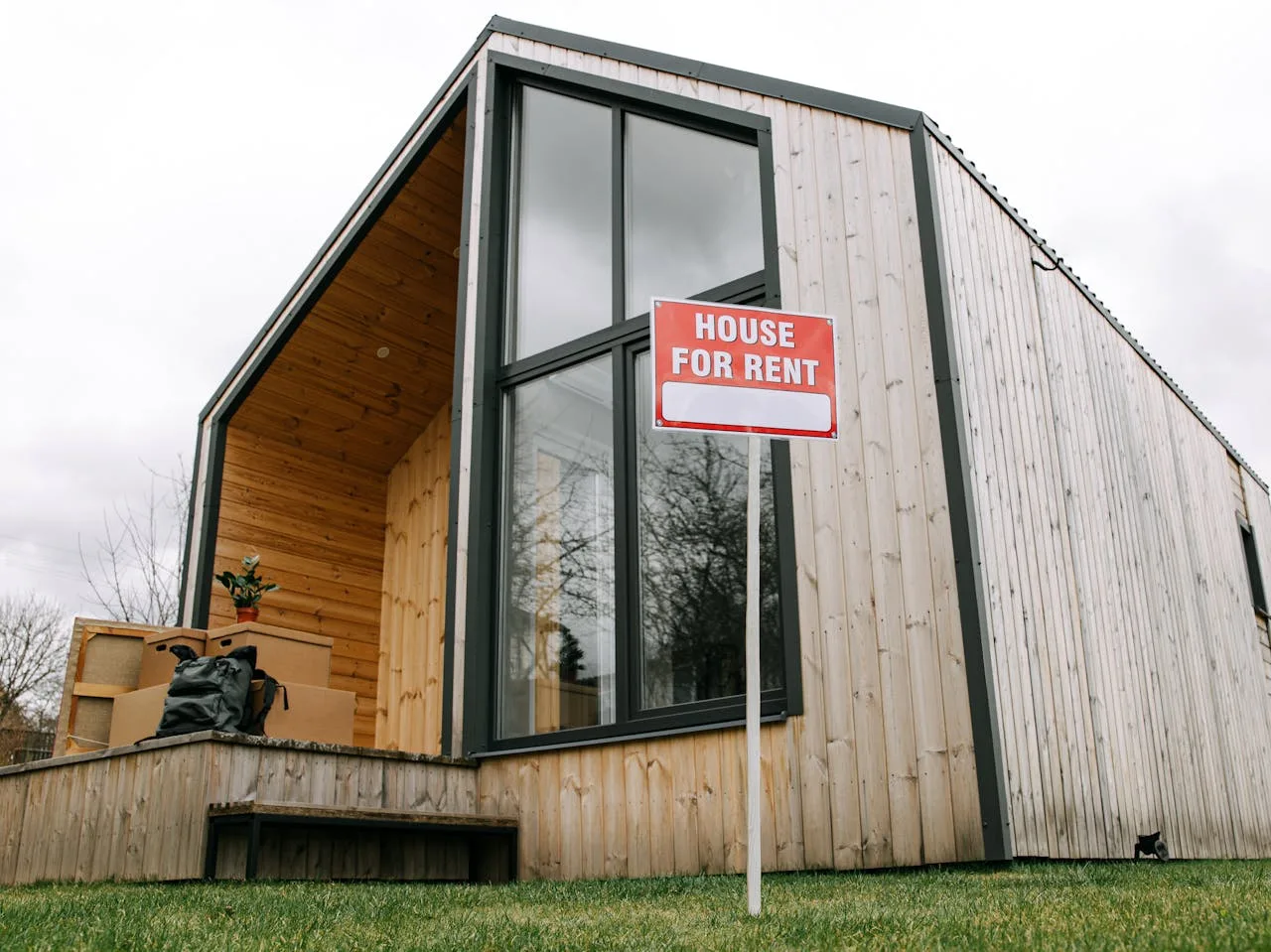
Investing in Short-Term Rental Properties for Passive Income
Short-term rental properties have quickly become one of the most appealing ways to generate passive income. With platforms like Airbnb, Vrbo, and other vacation rental sites making it easier than ever to attract guests, many investors are realizing the earning potential of turning homes, condos, or even unique spaces into profitable rental assets. But like any investment, success in short-term rentals requires preparation, strategy, and ongoing management.
Whether you’re considering buying your first property or expanding an existing portfolio, understanding the benefits, challenges, and best practices is essential. If you’re looking to grow your rental business, listing on FindRentals.com can help you reach more direct-booking guests and reduce reliance on big platforms. Below, we break down what you need to know to build a strong, income-generating short-term rental business.
Why Short-Term Rentals Are Gaining Popularity
Short-term rentals have exploded in popularity for several reasons:
- High Earning Potential
Compared to long-term rentals, short-term rentals can bring in significantly more revenue per night. In tourist areas or high-demand cities, hosts often earn two to three times what they would with traditional lease arrangements.
- Flexible Use of the Property
Owners can block off dates for their own vacations, family visits, or personal use. This flexibility makes it an attractive option for people who want both an investment and a space they can enjoy.
- Growing Travel Trends
Travelers today want more than hotels they’re seeking unique experiences, local immersion, and comfortable spaces for work or extended stays. Short-term rentals fulfill these modern travel preferences perfectly.
- Diversification of Income
Short-term rentals offer a way to diversify your income streams and avoid relying solely on long-term tenants.
Types of Short-Term Rental Properties
Before investing, it’s important to understand the different types of properties that work well for short-term rentals:
- Vacation Homes
Located in popular tourist destinations, these properties tend to stay booked during peak seasons and attract families, couples, and leisure travelers.
- Urban Apartments or Condos
These work well for business travelers, digital nomads, and visitors attending events or conferences.
- Suburban Homes
Often ideal for traveling nurses, long-stay guests, or families needing temporary housing.
- Unique Stays
Cabins, tiny homes, treehouses, yurts, and more unique properties often command premium pricing and attract adventurous travelers seeking memorable experiences.
Each property type has its own pros and cons, so investors should select a category that aligns with their goals, budget, and target audience.
Key Factors to Consider Before Investing
Short-term rental investing isn’t as simple as buying a property and listing it online. Here are several important considerations:
- Location, Location, Location
The area you choose determines your occupancy rate, nightly pricing, and overall profitability. Look for:
- Steady tourism
- Business travel demand
- Proximity to attractions
- Safe neighborhoods
- Reasonable regulations
A great location can compensate for a smaller space or simpler design.
- Local Laws and Regulations
Many cities now have strict rules for short-term rentals, including permits, taxes, and limitations on rental days. Always check regulations before purchasing this step can make or break your investment.
- Startup and Furnishing Costs
Short-term rentals require full furnishing, décor, kitchen supplies, linens, and amenities. The initial investment may be higher than for long-term rentals, but the returns can be significantly greater.
- Ongoing Management Responsibilities
Management includes cleaning, guest communication, restocking supplies, maintenance, and marketing. You can handle these tasks yourself or hire a property manager.
- Seasonality and Market Demand
Some markets are seasonal. Plan ahead for slower months by adjusting pricing or targeting different types of guests.
Benefits of Investing in Short-Term Rentals
When done correctly, short-term rentals offer several advantages:
- Higher Income Potential
A well-located short-term rental can generate strong cash flow, often outperforming traditional rentals significantly.
- Better Control Over Your Property
With guests coming and going frequently, you can inspect your property more often and maintain control over its condition.
- Ability to Adjust Pricing
Dynamic pricing tools allow you to increase rates during high-demand periods and maximize revenue.
- Tax Advantages
Short-term rentals may qualify for tax deductions on repairs, utilities, furnishings, cleaning, and even travel-related expenses (consult a tax professional).
- A Space You Can Use Yourself
Unlike long-term rentals, you can enjoy your property whenever you choose as long as you block the calendar in advance.
How to Maximize Profit From Your Short-Term Rental
- Create an Outstanding Guest Experience
Guests want comfort, cleanliness, and convenience. Provide:
- Quality bedding
- Fast Wi-Fi
- Stocked kitchens
- Smart TVs
- Local recommendations
Small touches can lead to glowing reviews and repeat bookings.
- Professional Photos Make a Difference
High-quality images are essential. They increase click-through rates, bookings, and your perceived value.
- Use Dynamic Pricing Tools
Platforms like PriceLabs or Wheelhouse adjust rates based on demand, seasonality, and competition ensuring you never leave money on the table.
- Automate Guest Communication
Automated messaging saves time and provides guests with clear instructions for check-in, check-out, and house rules.
- Leverage Multiple Listing Platforms
Don’t rely solely on one marketplace. If you’re looking to grow your rental business, listing on FindRentals.com can help you reach more direct-booking guests and reduce reliance on big platforms. Direct bookings often bring in higher revenue because hosts save on platform fees.
Should You Self-Manage or Hire a Property Manager?
This decision comes down to time, expertise, and proximity.
Self-Management
Ideal if:
- You live nearby
- You enjoy hospitality
- You want to maximize profit
With automation tools, self-management is easier than ever.
Hiring a Property Manager
Best for:
- Out-of-state owners
- Busy professionals
- Investors who want hands-off income
Managers typically charge 15–30% of booking revenue but handle everything from cleaning to guest issues.
Risks to Consider
Like any investment, short-term rentals come with risks:
- Fluctuating occupancy
- Changing local regulations
- Economic downturns
- Higher maintenance costs
- Unexpected repairs
Mitigating these risks requires research, financial planning, and a solid management strategy.
Final Thoughts
Investing in short-term rental properties can be a powerful way to generate passive income, diversify your portfolio, and build long-term wealth. With thoughtful planning, strong guest experiences, and strategic marketing, these properties can deliver impressive returns.
Success comes from understanding your market, staying compliant with local regulations, and optimizing your listing to attract consistent bookings.
Short-term rentals aren’t just an investment they’re an opportunity to create memorable experiences while building steady income. With the right approach, they can become one of the most rewarding assets in your portfolio.