IPTV vs Cable TV in 2026: The Real Cost Analysis Nobody Shows You
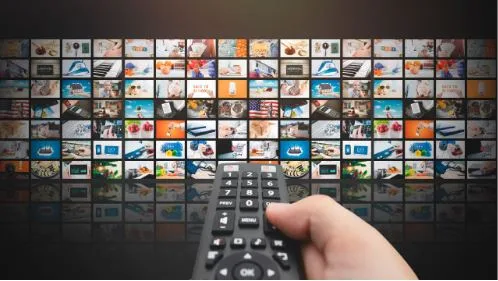
The average American cable bill reached $147 per month in 2026. That is $1,764 per year — before streaming add-ons, sports packages, equipment rental fees, and the “broadcast TV fee” that appears on bills like an uninvited guest. Meanwhile, a growing segment of households has quietly cut that expense by more than 80 percent without giving up a single channel. The mechanism behind that shift is IPTV, and the economics deserve a closer look than they usually get.
This analysis breaks down the true cost of both options — including the fees nobody advertises — and examines what households actually gain and lose when they make the switch.
The Cable Bill You Think You Pay vs the One You Actually Pay
Ask most cable subscribers what they pay, and they will quote the promotional rate they signed up for. The real number is buried in the itemized bill.
A typical mid-tier cable package in 2026 breaks down like this: the advertised base rate ($89.99), plus a broadcast TV fee ($24.95), a regional sports fee ($13.35), HD technology fee ($9.95), DVR service ($14.99), and equipment rental for each additional room ($8.50 per box). A two-television household lands at approximately $161 per month — nearly double the advertised price. Add a premium sports package for international football coverage, and the total pushes past $200.
Over a year, that is $1,932 to $2,400. Over five years — the average length of time a household stays with one provider — the total reaches $9,600 to $12,000.
The industry has structured these bills deliberately. Promotional rates expire after twelve months, fees are introduced gradually, and the cancellation process is designed to route customers to retention departments trained to add temporary discounts rather than process the cancellation. It works: the average customer stays years longer than they intend to.
What IPTV Actually Is — Beyond the Acronym
IPTV stands for Internet Protocol Television, and the concept is straightforward: instead of receiving television through coaxial cable or satellite dish, the content arrives through your existing internet connection. The delivery method is the entire difference. The channels, the sports, the movies — the content itself is the same or, in most cases, dramatically broader.
What changed in recent years is the quality of the infrastructure. Early IPTV services earned a reputation for buffering and unreliable streams. Modern providers run load-balanced server networks across multiple continents, delivering 4K streams that match or exceed cable picture quality. Established services like VisualiseTv now deliver 35,000+ live channels and over 150,000 on-demand movies and series — a content library that no cable package at any price point can approach.
The device flexibility is equally significant. Cable requires a proprietary box for every television. IPTV runs on hardware most households already own: Amazon Firestick, Smart TVs from Samsung and LG, Android boxes, iPhones, iPads, and computers. There is no installation appointment, no technician visit, and no equipment to return when you move.
The Numbers, Side by Side
Here is what the five-year comparison actually looks like for a typical two-TV household in 2026:
Cable (mid-tier package with sports): $161-200 per month, $9,660-12,000 over five years. Includes 150-250 channels, regional sports networks, DVR on rented equipment, and single-home viewing.
IPTV (premium subscription): $5-9 per month on annual plans, $300-540 over five years. Typical packages include 35,000+ international channels, global sports coverage including leagues cable providers charge extra for, 150,000+ on-demand titles, 4K streaming, and multi-device flexibility.
The five-year difference exceeds $9,000 for most households. That figure is not an exaggeration built on cherry-picked pricing — it reflects the standard rates both industries publish.
To put the IPTV pricing in concrete terms: VisualiseTv’s annual plan works out to under $6 per month, which the company itself frames as “less than the cost of one coffee per week.” For a service carrying every major football league, international news networks, and a film library larger than Netflix and Disney+ combined, the economics are difficult to argue against.
What You Give Up — An Honest Assessment
No fair analysis pretends the switch is frictionless. There are genuine trade-offs.
First, IPTV depends entirely on your internet connection. A household with unreliable broadband below 25 Mbps will have a worse experience than cable, full stop. The general requirements are 25 Mbps for stable FHD streaming and 50 Mbps for 4K. Most urban and suburban connections in North America and Europe clear these thresholds comfortably in 2026, but rural households should verify their speeds before committing.
Second, there is a setup step. It takes ten to fifteen minutes to install a player app and enter credentials — trivial for anyone comfortable with a smartphone, but a real consideration for households that value the plug-and-play nature of a cable box.
Third, the IPTV market includes low-quality operators alongside legitimate ones. The industry’s growth attracted providers who oversell server capacity, leading to buffering during major live events. This is where provider selection matters enormously: established services with real infrastructure, transparent pricing, refund policies, and responsive support are a different category entirely from anonymous sellers on social media. Checking for a free trial is the simplest filter — legitimate providers like VisualiseTv offer a 24-hour trial precisely because their service withstands scrutiny before any money changes hands.
The Sports Question
For most households considering the switch, live sports is the deciding factor — and it is where the comparison becomes most lopsided.
Cable sports coverage is regional by design. An American subscriber wanting Premier League, Champions League, Serie A, and international tournaments needs multiple add-on packages, each billed separately. Full international sports coverage through cable and legal streaming add-ons routinely exceeds $80 per month on top of the base package.
IPTV inverts this model. Because the content is delivered globally rather than regionally, a single subscription typically includes sports channels from dozens of countries — every major football league, combat sports, motorsports, cricket, basketball, and tennis, without regional restrictions or add-on fees. During a summer like this one, with the FIFA World Cup running across 104 matches, the difference in both cost and coverage is stark.
The Verdict
The cable industry’s own numbers tell the story: cord-cutting has accelerated every year for a decade, and 2026 is on track to be the largest year of subscriber losses yet. The households leaving are not abandoning television — they are abandoning a pricing structure built on fees, contracts, and regional restrictions that made sense in 1995 and makes none today.
For households with a stable internet connection, the math is no longer close. A five-year saving of $9,000+, a content library ten times larger, global sports without add-on fees, and the flexibility to watch on any device — the trade-offs that once made this a difficult decision have mostly evaporated.
The sensible approach is to test before switching: keep the cable subscription active, run an IPTV free trial for 24 hours, and compare picture quality, channel availability, and reliability on your own connection and your own devices. Services such as VisualiseTv’s free streaming trial make that comparison straightforward with instant activation. If the quality holds up — and on modern infrastructure, it does — the decision makes itself.
The question in 2026 is no longer whether IPTV can replace cable. It is why anyone with decent broadband is still paying for both.