Is an Espresso Machine Under $2,000 Enough for Serious Home Baristas?
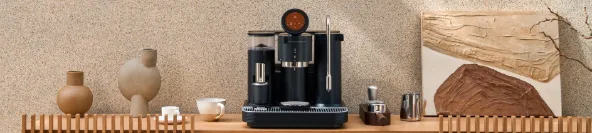
There’s a point almost every home coffee enthusiast reaches where the entry-level machine stops being satisfying. Maybe the shots are inconsistent, maybe the steam wand can’t keep up when you’re making two drinks back to back, or maybe you’ve just started noticing the difference between an average espresso and a genuinely good one. That’s usually when the search for something better begins, and it doesn’t take long before price becomes the main question. Is it realistic to get a setup that performs like a small cafe machine without spending five figures on it?
The short answer is that a lot has changed in this part of the market. Features that used to be reserved for machines costing well over $3,000 are now showing up in setups priced under $2,000. But not every budget-conscious machine actually delivers what a serious home barista needs. This article looks at what actually matters and how to tell whether a machine in this price range is a genuine upgrade or just a compromise dressed up with marketing language.
What Home Baristas Actually Need from a Machine
People who take their coffee seriously tend to care about a fairly specific list of things. They want stable extraction temperature so shots don’t swing between sour and bitter depending on the time of day. They want consistent pressure so results don’t vary from one pull to the next. They want a grinder that’s actually capable of espresso fineness rather than something built for drip coffee. And they want enough steam power to texture milk properly, not just warm it up.
None of these requirements are unreasonable, and none of them are exclusive to expensive commercial equipment anymore. The real question is whether a machine at a given price point actually includes them or whether it cuts corners on one or two to keep the price down.
Machine Price vs. Total Setup Cost
One thing that often gets missed when people compare prices is what’s actually included. A $1,500 machine that doesn’t come with a grinder isn’t really a $1,500 setup. Once you add a capable espresso grinder, which can easily run several hundred dollars on its own, plus a scale, tamper, and other accessories, the total cost climbs well past what the sticker price suggested. This is where an espresso machine under $2000 that already includes an integrated grinder and built-in scales starts to look different from a bare-bones machine at a similar price. You’re not just paying for the espresso maker; you’re paying for a complete workflow that would otherwise require piecing together separate tools and hoping they work well together.
Why an Integrated Grinder Changes the Equation
Grinding is often the part people underestimate when they’re new to serious espresso. The grind size has a direct effect on how water flows through the coffee, and getting it slightly wrong can ruin an otherwise well-made shot. A grinder that isn’t built specifically for espresso, or one that can’t hold a fine, consistent grind, will limit results no matter how good the machine itself is. When the grinder is built into the machine and calibrated to work with its brewing parameters, that mismatch disappears. Grind size, dose, and extraction time can be adjusted together as part of one process instead of three separate variables you’re trying to balance on your own. For someone working within a budget, this integration often matters more than any single spec on the machine itself.
Benefits of Dual Boilers
Single-boiler machines have to compromise between brewing temperature and steam temperature, since both draw from the same source. That usually means waiting between pulling a shot and steaming milk, and it also means temperature stability during brewing tends to suffer whenever the machine has recently been used for steam. A dual-boiler espresso machine avoids this entirely. One boiler is dedicated to brewing at a stable, lower temperature, while the other handles steam independently. This isn’t a minor convenience; it directly affects how consistent your espresso tastes and how quickly you can make multiple drinks without waiting on the machine to catch up.
Why Built-In Weighing Can Improve Consistency
Anyone who has spent time trying to dial in a new bag of beans knows how much small adjustments matter. A gram or two difference in dose, or a shift in how much liquid espresso ends up in the cup, can change the flavor noticeably. Serious home baristas have long used separate scales to track this, weighing the dose going into the portafilter and the yield coming out of it. Machines that build this weighing directly into the brewing process remove a step that many people eventually stop doing consistently, simply because it’s inconvenient to set up separate scales every time. When dosing and yield tracking happen automatically, staying precise becomes part of the normal routine rather than an extra task competing with your morning schedule.
Rotary Pumps and Extraction Stability
Pump type is another area where budget machines often fall short. Vibration pumps are inexpensive and compact, which is why they show up in most lower-cost machines, but they tend to produce pressure that pulses rather than stays steady. That inconsistency can show up as uneven extraction, along with a distinct buzzing noise that becomes more noticeable the more you use the machine. A rotary pump behaves differently, producing smoother and more stable pressure throughout the shot. It also runs quieter, which matters more once a machine becomes part of a daily routine rather than something used occasionally. Finding a rotary pump in a machine priced under $2,000 used to be rare. That’s changed, and it’s one of the clearer signs that a machine in this range is built with serious use in mind rather than just budget shoppers.
What Makes a Prosumer Setup Worthwhile?
The term prosumer gets used loosely, but in practice it describes equipment that sits between hobbyist gear and true commercial machines, offering much of the performance without the size, cost, or maintenance demands of a cafe setup. A genuinely good prosumer espresso machine should give you dual boilers, a capable pump, precise measurement, and either a strong grinder pairing or an integrated one. If you’re trying to figure out whether a specific machine qualifies, it helps to look past the marketing copy and compare actual specifications side by side. A detailed espresso machine buyer’s guide can make this comparison easier, since it walks through the components that actually affect performance rather than just listing features without context. Knowing what to look for turns the buying decision from guesswork into something you can evaluate objectively.
Conclusion
Spending under $2,000 on an espresso setup doesn’t automatically mean settling for less. The market has shifted enough that dual boilers, rotary pumps, integrated grinders, and precision scales are all realistic expectations at this price point, provided you’re looking at the right machine. What separates a genuine prosumer setup from a budget compromise usually comes down to whether these components are actually present and properly integrated, rather than whether the price tag alone sounds impressive. For someone serious about consistent espresso at home, that distinction matters far more than the number on the price tag.