
Is London Safe for Tourists in 2026? Safety Tips
Quick answer: Is London safe for visitors?
- London is generally safe for tourists, including first-time visitors
- The most common crimes are non-violent theft, such as pickpocketing and phone snatching
- Violent crime rarely affects visitors
- Busy areas like Oxford Street, Soho, and Camden have higher risk
- Simple precautions significantly reduce the chances of problems
Is London safe? A clear overview
London is one of the most visited cities in the world. Millions of travellers arrive each year to explore its historic landmarks, museums, restaurants, and nightlife. The city offers an enormous range of attractions and remains active well into the evening.
So, is London safe?
In general, yes. London is considered relatively safe compared with many large global capitals. Most tourists experience no problems during their stay.
However, London is also a vast urban centre with millions of residents and visitors moving through its streets every day. Like any major city, it experiences crime on a regular basis.
The key point for travellers is this:
the most common risks in London involve opportunistic theft rather than violent crime.
Understanding how and where these crimes occur helps visitors stay aware and explore the city comfortably.
What is the most common crime in London?
The most frequently reported crime in London is theft. According to data from the Metropolitan Police, theft accounts for a large proportion of recorded offences across the city.
The items most commonly targeted include:
- Mobile phones
- Wallets and cash
- Handbags and backpacks
- Cameras and small electronics
These items are easy to steal and easy to resell, especially in crowded environments.
Most theft happens in central London, where tourist attractions, shopping districts, and nightlife bring large numbers of people together. Visitors are often focused on sightseeing or navigating unfamiliar streets, which creates opportunities for opportunistic criminals.
Although theft is common, it is usually non-violent and avoidable with basic awareness.
Is phone snatching common in London?
Mobile phone theft has become one of the most widely discussed crimes in London in recent years. Smartphones are valuable, portable, and frequently visible in public spaces.
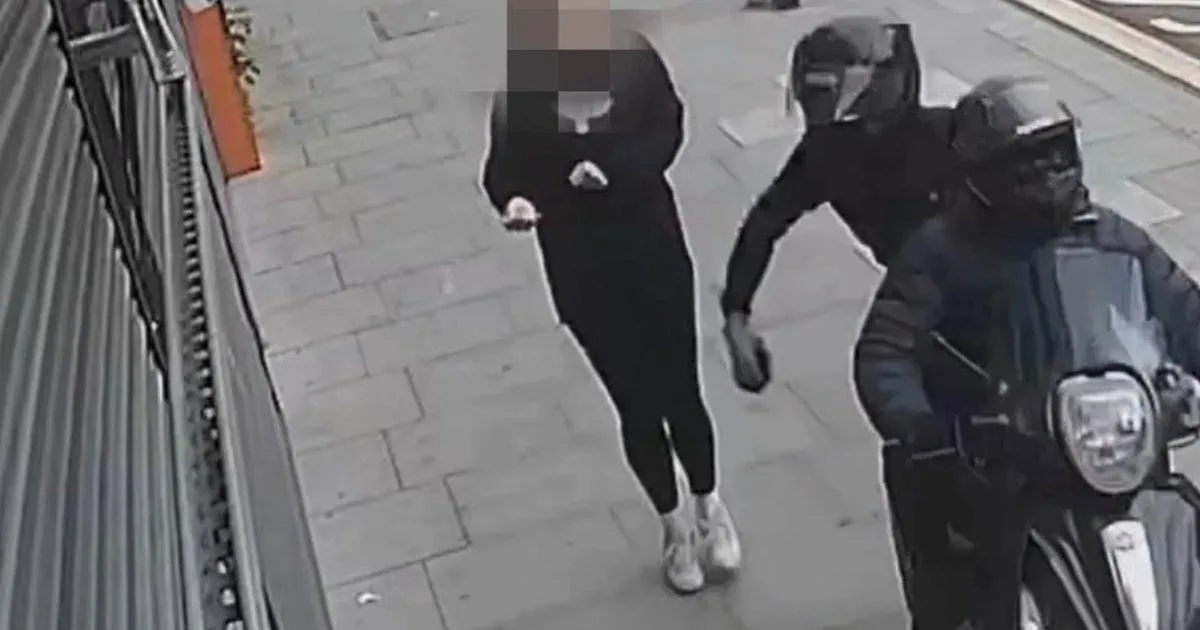
CCTV footage of mobile phone theft in London
Many visitors rely on their phones for maps, photographs, and communication. This makes them easy targets when they hold their devices while walking near the street.
A common method involves a thief riding past on a bicycle or electric scooter and quickly grabbing a phone from a pedestrian’s hand. These incidents happen in seconds, and the offender often disappears into traffic or crowds.
This type of theft is more likely in busy central areas such as:
- Soho
- Leicester Square
- Oxford Street
- Camden
- Shoreditch
Visitors can reduce the risk by:
- Avoiding using phones near the edge of the pavement
- Holding devices securely
- Stepping inside shops or standing away from the road when checking directions
Remaining aware of surroundings is one of the most effective ways to prevent this type of crime.
Where does pickpocketing happen in London?
Pickpocketing remains a common issue in large international cities, and London is no exception.
Crowded environments provide ideal conditions because:
- People are distracted
- Personal space is limited
- Movement makes detection difficult
Common locations include:
- Underground stations and transport hubs
- Tourist attractions
- Markets and shopping streets
- Nightlife and entertainment districts
Pickpockets typically target items that are easy to access, such as phones, wallets, or passports stored in open pockets or loose bags.
These crimes often go unnoticed until later, which makes prevention especially important.
Keeping valuables in zipped bags or secure pockets and staying aware in crowded places significantly reduces the risk.
Theft from bags and unattended belongings
Another common type of crime involves bags and personal items left unattended in public places.
Restaurants, cafés, bars, and hotel lobbies can create opportunities for opportunistic theft. A bag placed on the back of a chair or left briefly on the floor can attract attention.
Backpacks and laptop bags are frequent targets, especially if they may contain electronics or travel documents.
Simple habits make a difference:
- Keep belongings within sight
- Avoid leaving items unattended, even briefly
- Place bags in secure positions (e.g. under the table or across your body)
These small precautions greatly reduce the likelihood of theft.
Is car or bike theft a problem in London?
Vehicle crime is another common category in London. These incidents typically involve theft from parked vehicles or damage to cars.
Visitors who rent vehicles sometimes leave luggage, shopping bags, or electronic devices inside the car. Visible items can attract thieves who break into vehicles to steal valuables.
Bicycle theft is also widely reported across the city. London has a large cycling community, and bikes left unattended in public areas may be targeted by organised thieves.
Although these crimes affect residents more often than tourists, travellers who rent bikes or cars should remain cautious about where they leave property.
Is violent crime a risk for tourists in London?
Violent crime in London often receives significant media attention, but most incidents involve individuals who already know each other.
Tourists are rarely affected by violent crime.
Some disturbances can occur in nightlife areas where alcohol consumption increases the likelihood of arguments or disorder. Busy bars and clubs may occasionally see confrontations late at night.
Visitors can reduce risk by:
- Avoiding confrontations
- Moving away from any developing disputes
- Staying in well-lit, busy areas
For most travellers, London remains safe both during the day and at night when basic awareness is maintained.
Are protests and demonstrations safe in London?
Large demonstrations are a regular feature of life in London. The city frequently hosts political marches and protests on a wide range of issues. In recent years, pro-Palestine demonstrations have attracted particularly large (and sometimes rambunctious) crowds in central areas.
Police typically monitor the events closely and impose routes designed to manage crowds safely.
However, very large gatherings can occasionally create situations where crimes occur. Some demonstrations have seen incidents involving public order offences, vandalism, or confrontations between opposing groups. There have also been reports of antisemitic incidents or harassment during certain protests, which police have investigated under hate crime legislation.
Large protests can also create crowded environments where pickpocketing or minor theft occurs. Opportunistic criminals sometimes take advantage of large gatherings where attention is focused on the event itself.
Visitors who encounter demonstrations should:
- Avoid the centre of large crowds
- Follow police guidance
- Consider alternative routes
Observing from a distance is usually the safest option.
Which areas of London have higher crime rates?
Crime statistics often show higher numbers in boroughs that attract large crowds, including:
- Westminster
- Camden
- Lambeth
- Southwark
- Newham
These areas include major transport hubs, tourist attractions, nightlife districts, and commercial centres.
Higher crime totals in these boroughs do not necessarily mean they are unsafe. Instead, they reflect the large number of people moving through them daily.
Most visitors spend time in these areas without experiencing any issues.
How can tourists stay safe in London?
Safety awareness is the most effective way to avoid problems in London.
Key tips include:
- Stay alert in busy areas
- Keep valuables out of sight when possible
- Avoid using phones near roads
- Keep bags zipped and close to your body
- Plan routes in advance, especially at night
London’s public transport system, operated by Transport for London (TfL), makes it easy to move around the city safely without walking long distances.
With simple precautions, most visitors explore London comfortably and confidently.
Final thoughts: understanding safety in London
So, is London safe for tourists?
Yes — for the vast majority of visitors, London is a safe and enjoyable city.
While crime does occur, it is usually limited to non-violent theft such as pickpocketing and phone snatching, particularly in busy central areas.
Large events and crowded environments can increase risk slightly, but these situations are generally well managed.
For travellers, awareness is the key factor. Those who stay alert, protect their belongings, and avoid unnecessary risks are unlikely to encounter problems.
While hate crimes and capital offences do occur, with sensible precautions, London remains an exciting and rewarding destination for travellers from around the world.
FAQ: London safety for tourists
Is London safe at night?
Yes, London is generally safe at night, especially in busy and well-lit areas. Using public transport or licensed taxis is recommended.
Is London safe for solo female travellers?
London is considered one of the safer major cities for solo female travellers, though standard precautions should always be taken.
What are the most common crimes in London?
The most common crimes are theft-related, including pickpocketing and mobile phone snatching.
Is public transport safe in London?
Yes, London’s public transport system is widely used and considered safe, though pickpocketing can occur in crowded conditions.
Which areas should tourists be more careful in?
Busy central areas such as Westminster, Soho, and Camden tend to have higher levels of opportunistic theft due to large crowds.