Is Vinyl Flooring Waterproof? What Singapore Homeowners Should Know
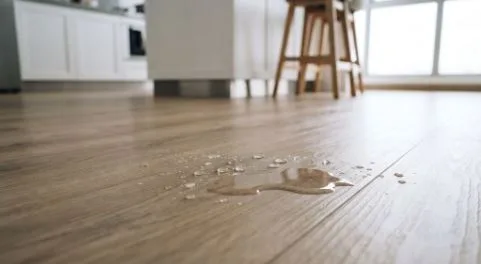
Water exposure is part of everyday life in Singapore homes. Kitchen spills, regular mopping and wet footprints from the bathroom all test a floor, while year-round humidity adds constant moisture to the air. Vinyl flooring is widely marketed as waterproof, and it handles water far better than laminate or timber. However, the term is often misunderstood. The real answer depends on the difference between the vinyl planks themselves and the floor as a whole once installed.
What Makes Vinyl Flooring Waterproof?
Vinyl planks are made from PVC. Rigid-core SPC vinyl adds a stone-polymer core for extra stability. Neither material contains wood, so nothing inside the plank can soak up moisture.
This is what separates vinyl from laminate and engineered timber. Those floors have wood-based cores that can swell or warp if water gets in. Vinyl stays flat and stable, even in Singapore’s year-round humidity.
In daily life, this means spilt drinks, pet accidents, wet footprints and regular mopping are not a problem. You simply wipe the water away.
Can Water Get Under Vinyl Flooring?
Most vinyl in Singapore homes is click-system vinyl, which floats over the existing floor. The planks are waterproof, but the gaps at the joints and around the edges of the room are not sealed.
If water pools on the floor for hours, for example from a burst pipe, an overflowing washing machine or a leaking aircon unit, it can travel through these gaps to the surface underneath. The vinyl itself will not be damaged, but trapped moisture beneath the floor can lead to mould or odours if it is not dried out.
How to Protect Vinyl Flooring from Water Damage
A few simple habits keep a vinyl floor in top condition:
- Wipe up spills and standing water promptly
- Use a damp mop rather than flooding the floor with water
- Place mats at bathroom entrances and near sinks
- Check aircon units and washing machine hoses for leaks
- Ask your installer to seal the edges in wet-prone areas such as kitchens
Good installation also matters. The existing floor should be level, dry and free of leaks before the vinyl goes down. An experienced installer of vinyl flooring in Singapore will check the subfloor and advise which areas of your home suit vinyl best.
Is Vinyl Flooring Suitable for Kitchens and Bathrooms?
Vinyl flooring works very well in kitchens, but bathroom floors with showers and standing water are best left tiled. Kitchens, service yards, and areas outside bathrooms are good places for vinyl, as they face regular spills rather than constant water.
For these spaces, choose rigid-core SPC vinyl with a good wear layer and a tight locking system. Stone-look designs are popular, as they offer the clean look of tiles with a warmer, softer feel underfoot. Collections such as Xin Furnishing’s stone-look vinyl flooring in marble, slate and travertine finishes suit kitchens and dining areas well.
So, Is Vinyl Flooring Waterproof Enough for Your Home?
Vinyl flooring is waterproof at the plank level and highly resistant to everyday spills, mopping and humidity. As long as you don’t leave standing water for long periods, it is one of the most practical flooring choices for Singapore homes.