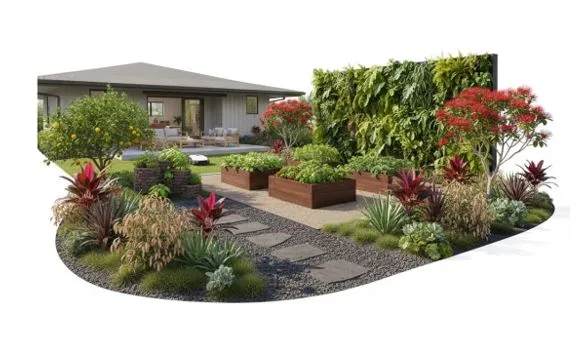
Island Elegance: The Evolution of the Maui Landscape in 2026
Maui has always been a place where nature doesn’t just exist—it thrives with a vibrance that feels almost otherworldly. However, as we move through 2026, the way we interact with our outdoor spaces on the Valley Isle is undergoing a profound transformation. Gone are the days of the high-maintenance, water-thirsty “resort lawns” that dominated the early 2000s. Today, the most forward-thinking homeowners and designers are embracing a philosophy that balances breathtaking beauty with deep-rooted environmental responsibility.
If you are looking to refresh your property this year, you’ll find that the trends aren’t just about what looks good in a photo; they are about resilience, cultural connection, and the art of “living with the land.” Here is a look at the defining trends currently shaping the maui landscape.
1. The Rise of “Fire-Resilient” Beauty
In the wake of recent years, fire safety has moved from a secondary consideration to the primary driver of landscape architecture on Maui. In 2026, we are seeing the emergence of “Defensible Design” that doesn’t sacrifice tropical charm.
Homeowners are moving away from flammable, invasive grasses and instead creating “lean, clean, and green” zones near their homes. This involves:
- Strategic Hardscaping: Using lava rock, basalt, and coral stone to create beautiful, non-combustible buffers around structures.
- High-Moisture Groundcovers: Replacing dry brush with succulents and low-growing, hydrated native plants like Pāʻū o Hiʻiaka.
- The 5-Foot Rule: Keeping the immediate perimeter of the home free of combustible mulch and dense vegetation, often opting for decorative river stones or permeable pavers.
2. Xeriscaping with a Tropical Soul
Water conservation is no longer optional; it’s a way of life. However, “xeriscaping” on Maui doesn’t mean a yard full of gravel and cactus. Instead, the 2026 trend is “Tropical Xeriscaping.” This approach uses drought-tolerant plants that still provide that lush, jungle-like feel.
By grouping plants into “hydro-zones,” gardeners can ensure that water is only used where absolutely necessary. The aesthetic relies heavily on silver-hued foliage and waxy leaves that naturally retain moisture. This shift has led to a renewed appreciation for the sculptural beauty of agaves, aloes, and the iconic Hala tree, which can withstand the salt and wind of the coastline with minimal intervention.