Janine Yorio’s One-Pan Wonders: Favorite Low-Stress Family Dinners
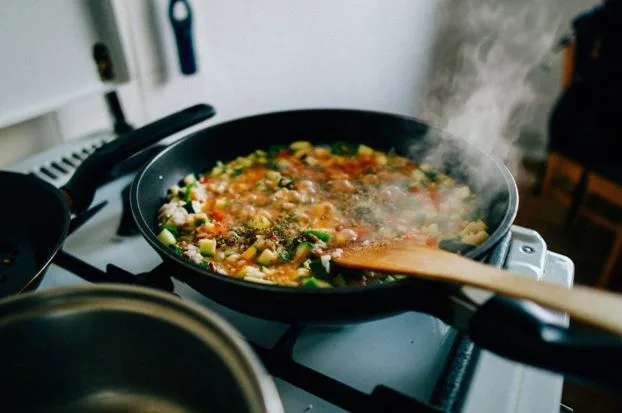
Janine Yorio remembers the evening clearly when a pan and a few ingredients rescued her from dinner woes. Three kids in various states of homework crisis, a sink full of dishes from the night before, and a refrigerator that seemed to offer nothing useful despite being reasonably full, but she made dinner anyway.
Pulling out that single heavy pan, she laid everything in it and slid it into the oven. An hour later, the family sat down to a meal that tasted like she’d been cooking all afternoon. An oven-to-table meal and easy cleanup? No one complained that night.
Looking back, Yorio credits that as the beginning of a cooking philosophy that has quietly transformed the way her family eats on the hardest days of the week. Low-stress cooking does not have to compromise quality, despite the assumption that ease and quality exist on opposite ends of the spectrum, which pushes more and more families to fast food.
Some of the most satisfying, nourishing, and flavor-forward meals ever developed are built around a single vessel like a Dutch oven, a cast-iron skillet, or a rimmed sheet pan, combined with the intelligent use of heat. One-pan cooking is a legitimate culinary tradition with deep roots from farmhouse kitchens to Mediterranean households to generations of home cooks who understood that restraint and wisdom win the day in the kitchen.
Why One-Pan Cooking Actually Works
The case for one-pan dinners transcends convenience and speaks to creating well-rounded, hardy meals that satisfy even the grumbliest tummy. When proteins and vegetables share a pan, fat renders and bastes while vegetables caramelize in seasoned drippings, and aromatics perfume everything simultaneously.
The right one-pan dish builds a depth of flavor that multi-pot cooking can rarely match, and the pan itself becomes part of the technique. Cast iron is known to produce a professional-grade crust while a wire-racked sheet pan roasts rather than steams. The Sealed Dutch oven turns inexpensive cuts into something genuinely luxurious.
“People think one-pan cooking is about doing less,” Janine Yorio says. “But really, it’s about trusting the pan to do what you can’t. The heat does the work. You just have to set it up right.”
Sheet Pan Dinners: The Weeknight Workhorse
Among all one-pan formats, the sheet pan dinner has earned its weeknight status for good reason. A protein like chicken thighs, salmon, Italian sausage, or chickpeas fills one half of the pan while compatible vegetables fill the other. Everything gets tossed in olive oil, seasoned generously, and roasted at high heat until the edges caramelize and the centers are cooked through. Fifteen minutes of preparation, one pan to clean.
The variables and combinations for sheet-pan meals are exponential. Harissa-glazed chicken alongside roasted cauliflower and chickpeas provides a hardy meal, and lemon-herb salmon with asparagus and cherry tomatoes that turn jammy in the heat brings new flavor combinations. Bone-in thighs over sliced fennel can be combined with orange and olives that grow sweet beneath the rendered fat.
A great sheet pan dinner separates itself from a frustrating one through correct sequencing. Dense vegetables like sweet potato and carrot should go in earlier or be cut smaller, while quick-cooking greens join the pan in the final ten minutes.
The Dutch Oven: Where Patience Becomes Dinner
Sheet pan dinners reward high heat and quick execution, while Dutch oven cooking rewards the opposite through low heat, long time, and the kind of patience that pays off in a way few other techniques can match.
A braise with aromatics softened in fat, protein browned deeply, liquid added, and everything sealed beneath the lid is one of the most forgiving preparations in cooking. Long, moist heat breaks down connective tissue in tougher cuts, turning short ribs, lamb shanks, and pork shoulders into something that falls apart at the suggestion of a fork. The braising liquid reduces into a sauce that needs nothing more than to be spooned directly from the pot.
“A good braise is the closest thing I know to cooking that takes care of itself,” Yorio notes. “You do the work at the beginning, and then the oven does everything else. That’s the kind of cooking I want on a Wednesday.”
For families with unpredictable schedules, the Dutch oven also offers a flexibility that most cooking methods do not. A braise held at a low temperature stays warm and continues to develop flavor without overcooking. Dinner can be ready at five or at seven, and the quality does not suffer for the wait.
The Skillet Dinner: Fast, Hot, and Finished at the Table
When time is genuinely short, the cast-iron skillet is the one-pan cook’s most reliable ally. High, even heat makes it ideal for proteins that need a sear, such as bone-in chicken finished in the oven, thick-cut pork chops with a pan sauce built from the fond, or salmon with crispy skin that peels away cleanly.
Yorio finishes skillet dinners with something bright like citrus, fresh herbs, whole-grain mustard stirred into the drippings, and that final addition is what separates a good skillet dinner from a great one.
“The last thing you add to a pan is usually the thing that makes people ask what’s in it,” she says. “Don’t skip the finish. That’s where the dish comes together.”
Less Mess, More Meaning
The practical appeal of one-pan cooking is undeniable, but the deeper value is found outside of ease and dishwashing math. When dinner does not require an hour of active cooking and a full sink of pots, the cook arrives at the table with energy, patience, and presence left.
One-pan cooking is, at its heart, an act of prioritization. It says the meal matters enough to make and the family is worth feeding well, without sacrificing the evening itself. For families holding onto the dinner table, that combination is not a small thing.
Janine Yorio is a passionate home cook, devoted mother of three, and community volunteer based in Overland Park, Kansas. Through her blog, she shares wholesome recipes, practical kitchen tips, and a genuine belief that meals made with love and the best ingredients available can nourish both the body and the soul.