Janine Yorio’s Weeknight Playbook: 30-Minute Meals That Kids Actually Love
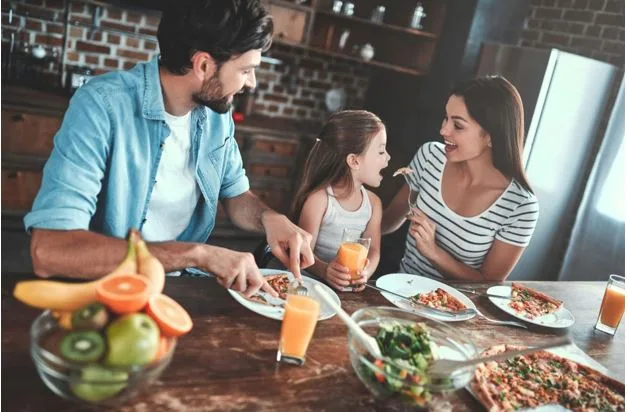
Janine Yorio, a stay-at-home mom and blogger, has always understood that weeknights are hardly ever what one thinks they’ll be. Homework is strewn across the kitchen table while schedules overlap from one child to the next because of sports, academics, and extracurriculars. The clock has a way of seemingly moving faster between 5:00 pm and 7:00 pm than at any other point in the day.
Dinner’s already compressed window can feel like an impossible feat. It has the potential to become another source of stress, or the moment the house settles. Yorio espouses the latter and believes it’s achievable in even the most chaotic households. Simple, nourishing meals can come together quickly and feel familiar enough that children are eager to take part in an evening family meal.
The challenge is rarely a lack of ideas but simply mental exhaustion that plagues parents long before dinner is even considered. By the time the workday ends, parents are not looking for culinary inspiration. The goal is reliable meals that fit real life. Yorio’s weeknight meal playbook is built around rhythm, flexibility, and recipes that families return to again and again.
Why 30-Minute Meals Matter for Modern Families
Fast meals do not make convenience food. Yorio pushes back on the assumption that speed is a shortcut that inevitably compromises nutrition.
“Dinner should help the evening feel calmer, not more chaotic,” Yorio says. “A quick meal can still be warm, nourishing, and something everyone looks forward to.”
A well-built 30-minute meal kids love gives parents respite instead of rigor and creates time for conversation at the table. Manageable dinner changes the emotional temperature of the entire evening.
Predictability is a balm in the busy lives of children, and familiar weeknight meals are a meaningful part of the family rhythm. Taco bowls on Tuesdays, with sheet-pan chicken on Thursdays, and other fun meal types each day, encourage anticipation while reducing resistance.
The Formula Behind Meals Kids Actually Love
The most successful healthy weeknight dinners for busy families often follow the dependable formula of one protein, one starch or grain, one vegetable, and a flavor profile children recognize. Reinventing dinner every night is less sustainable, and Yorio leans into formats kids already trust.
Rice bowls, pasta dishes, tacos, quesadillas, and baked chicken plates consistently perform well because they feel familiar. The structure stays the same while the ingredients rotate.
Children are far more open to variety when it appears inside a recognizable format. A ground turkey taco bowl, for example, can be ready in under thirty minutes. Brown rice warmed from a batch made earlier in the week, seasoned turkey, black beans, avocado, shredded lettuce, and a mild cheese blend create a dinner that feels complete without becoming complicated.
One-Pan Dinners That Save the Evening
Yorio’s cooking style centers on open-pan meals in the weeknight rotation as they minimize cleanup and simplify timing. Sheet-pan meals might include chicken tenders, sweet potatoes, or green vegetables like broccoli, and can move from preparation to plate in thirty minutes in a very low-lift way.
“Parents need meals that cook while life is still happening around them,” Janine Yorio notes. “The oven can carry part of the load.”
So often, dinner is unfolding alongside spelling practice, bath time, or planning for the next day. When meals allow parents to step away briefly without losing control or the evening’s momentum, it benefits the entire family dynamic.
Pasta Night, Reimagined for Busy Families
Pasta is one of the most reliable weeknight solutions, and Yorio sees it as an opportunity for balance as opposed to defaulting to a plain noodle dish.
Whole-grain pasta tossed with lean ground turkey, sautéed spinach, and a simple tomato sauce creates a fast meal that feels comforting without being heavy. Finely diced zucchini or carrots can be folded into the sauce without changing the flavor profile dramatically.
Homes with selective eaters must refine their strategies to avoid forcing dramatic changes. With subtle shifts to flavors and textures, meals are refined slowly in ways children continue to enjoy.
“Young people usually accept healthy changes more easily when the meal still feels familiar,” Yorio says.
She applies this tenet across her broader weeknight framework, keeping the emotional comfort of the meal intact while improving its nutritional foundation.
Quesadillas, Bowls, and the Power of Flexible Meals
The sweet spot for quick, healthy, flavorful weeknight dinners might just be the very modular ones like quesadillas, rice bowls, wraps, and the like. When family members are able to customize their plates without requesting separate meals, it creates ease and autonomy.
A shredded rotisserie chicken quesadilla with spinach and cheese can be on the table in fifteen minutes. Add sliced fruit and a simple yogurt dip, and the meal feels balanced without being overbuilt.
Bowls work similarly. Cooked rice, grilled chicken, cucumber, shredded carrots, and a light dressing can shift depending on what is already in the refrigerator.
Flexibility can reduce food waste in a way that makes dinner feel fluid, despite the structure. Busy families need meals that can bend a little.
Preparing Without “Meal Prep”
Yorio’s philosophy is nothing if not sympathetic to the human bits of meal prep. She prefers to avoid perfection-based ideals. Weeknight dinners shouldn’t take as long as the preparation of a Sunday gathering.
She, instead, advocates for light preparation that fits naturally into the week. Extra rice cooked on Monday becomes Wednesday’s stir-fry base. Roasted vegetables from Tuesday reappear in Thursday’s pasta. Leftover grilled chicken becomes wraps for lunch.
Soft prep is so much more realistic for the family juggling multiple demands. Meal prepper status was never the goal in Yorio’s method. Simplicity makes mealtime a little better the next day, and that’s really the goal that matters most.
Making the Table Feel Like a Pause
Fast dinners contribute to shaping the emotional architecture of the home. When a meal comes together without panic, families are more likely to sit down together instead of eating in a fragmented format.
Even twenty minutes around the table creates space for children to talk about school, friendships, frustrations, and small victories. Yorio’s blog is full of messaging on the emotional power of family meals because food rarely functions as food alone.
Dinner is a natural transition in most people’s day, and, over time and with practice, these quick meals create a huge impact on family dynamics and stress levels as they establish a rhythm children can carry with them into the rest of the world.
Building Habits That Last
Elaborate and memorable must not coexist for a meal to matter. Children often remember the consistency over the dishes themselves. Tacos after supper or Friday pasta becomes a tradition that carries over into adulthood while building family identity.
Yorio’s weeknight meal playbook is effective in every sort of household because it respects the realities of family life. Fast meals don’t have to feel transactional, and when they support the evening instead of interrupting it, their impact is felt in all parts of the family dynamic.
In homes where time is limited but connection is valued deeply, balance makes weeknight cooking sustainable.