Jersey Barriers in New York City: A Practical Guide for Construction Site Protection
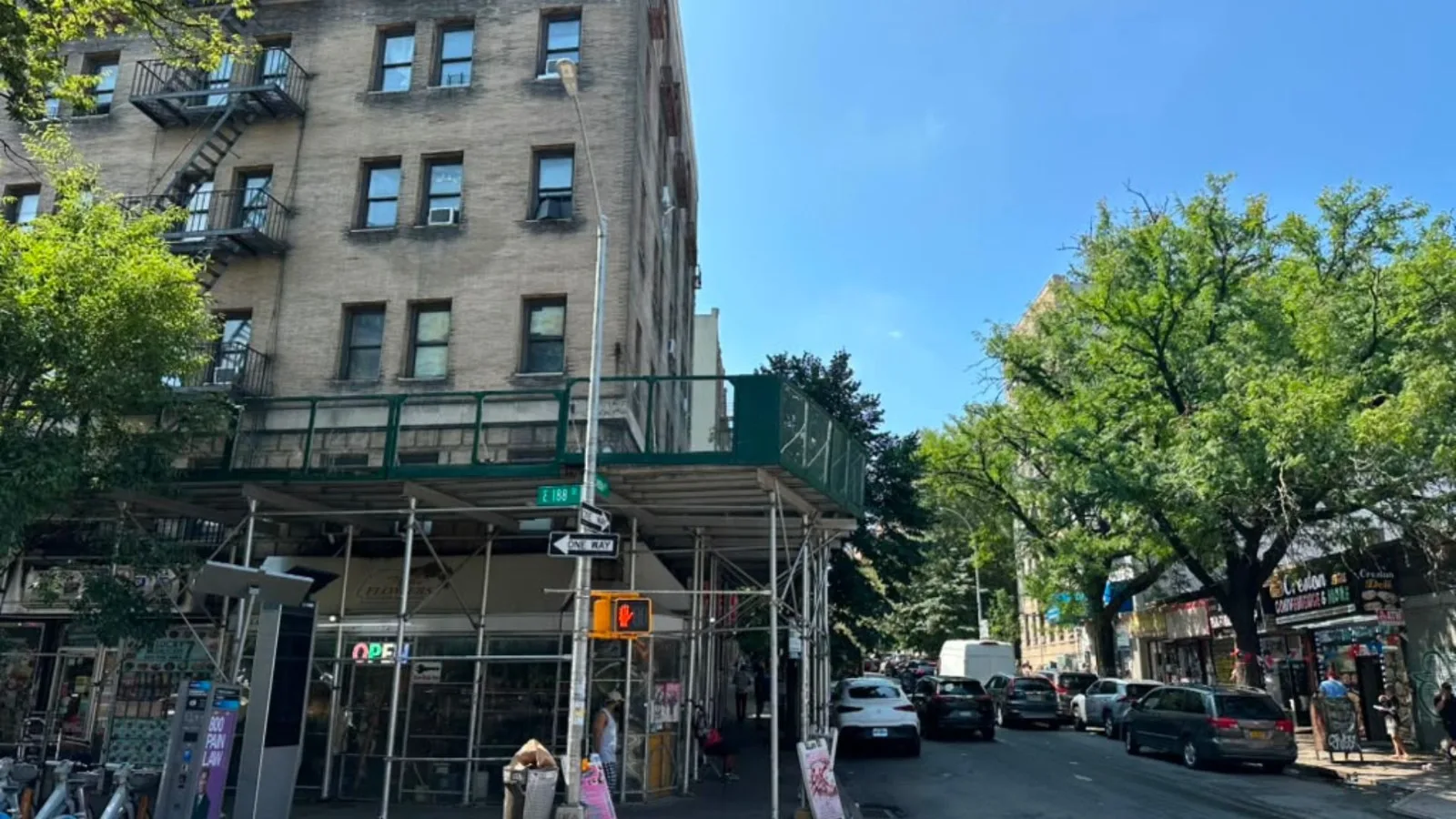
Construction projects in New York City often require careful planning to protect workers, pedestrians, vehicles, and nearby properties. With busy streets, limited space, and constant pedestrian activity, contractors need reliable solutions for separating active work areas from public spaces. Jersey Barriers In New York City are one practical option for creating a strong and visible boundary around construction and work zones.
Whether you are working on a commercial building, residential renovation, road project, utility installation, or another type of construction job, temporary barriers can help organize the site and improve separation between construction activities and surrounding traffic.
What Are Jersey Barriers?
Jersey barriers are heavy-duty temporary barriers commonly used for traffic control, construction-site separation, and work-zone protection. They create a physical boundary between areas where construction is taking place and locations used by vehicles or pedestrians.
In a city as busy as New York, barriers can be useful for establishing controlled work areas without completely disrupting surrounding activity.
Depending on the project, Jersey barriers may be used to:
- Separate construction areas from traffic
- Create temporary vehicle lanes
- Protect workers and equipment
- Control access to restricted areas
- Establish boundaries around work zones
- Help organize parking and loading areas
- Improve visibility around active construction areas
The appropriate barrier setup depends on the specific site, project requirements, and applicable safety and traffic-control requirements.
Why Jersey Barriers Are Useful in New York City
New York City construction sites can be challenging because projects frequently operate close to busy sidewalks, streets, businesses, residential buildings, and public transportation routes.
A clearly defined work zone can help reduce confusion for drivers and pedestrians. Jersey barriers provide a highly visible physical separation that can make it easier to identify where construction activity begins and where public areas remain accessible.
For contractors working in Manhattan, Brooklyn, Queens, the Bronx, or Staten Island, temporary barriers can be an important component of an overall construction-site protection strategy.
Common Applications for Jersey Barriers
Jersey barriers can be used for many different construction and infrastructure projects.
Road and Street Work
Road repairs, utility work, paving projects, and other street-related construction may require temporary separation between workers and moving vehicles. Barriers can help define the work zone and guide traffic around the area.
Building Construction
Large building projects may require temporary barriers around equipment, material storage, excavation areas, or vehicle access points. Properly positioned barriers can help establish clear boundaries around these areas.
Demolition and Renovation
Renovation and demolition projects often involve heavy equipment, construction debris, and frequent material deliveries. Barriers can help separate these activities from surrounding areas.
Events and Temporary Work Areas
Jersey barriers can also be useful for temporary site configurations where vehicles and pedestrians need to be directed around a restricted area.
Jersey Barriers and Sidewalk Sheds
For many New York City construction projects, Jersey barriers are only one part of a broader site-protection plan.
Sidewalk sheds may be required when construction work takes place above or near pedestrian areas. They provide overhead protection and help maintain a safer pedestrian pathway beside active construction.
When appropriate, Jersey barriers and sidewalk sheds can work together to establish different layers of separation. The sidewalk shed can protect pedestrians from overhead construction hazards, while barriers can help separate traffic or other active work areas.
Jersey Barriers and Scaffolding
Scaffolding is another common component of construction and building maintenance projects throughout New York City.
A project involving exterior façade work, painting, masonry, repairs, or renovation may require scaffolding along the building. If the scaffolding is located close to traffic or other active areas, contractors may also need additional site-control measures.
Combining scaffolding, sidewalk protection, and Jersey barriers can help create a more organized work environment.
The exact configuration should always be determined according to the project conditions and applicable regulations.
Choosing a Jersey Barrier Provider
When searching for Jersey Barriers In New York City, contractors should consider more than availability. Delivery, placement, project scheduling, and site requirements can all affect the success of a temporary barrier setup.
Before ordering barriers, it is useful to discuss:
- Project location
- Number of barriers required
- Expected rental or project duration
- Delivery requirements
- Placement considerations
- Vehicle and pedestrian access
- Other construction equipment being used
Providing these details in advance can help the supplier understand the project and recommend an appropriate solution.
Benefits of Working With a Local Provider
New York City construction projects involve unique logistical challenges. Limited street space, busy traffic, building access, and pedestrian movement can all affect how construction equipment is delivered and positioned.
Working with a local company familiar with construction-site requirements can make coordination easier. A provider can discuss the project requirements and help contractors plan the equipment needed for the job.
Local service can also be valuable when a project requires changes during construction. If the work zone expands or the site layout changes, contractors may need to adjust their temporary protection.
Planning Ahead for Construction Safety
Jersey barriers should be considered as part of the overall construction-site plan rather than an isolated piece of equipment.
Before work begins, contractors should identify potential hazards, determine how vehicles and pedestrians will move around the site, and establish clear boundaries for active construction areas.
The site should also be reviewed as work progresses. Construction conditions can change when new equipment arrives, materials are delivered, or different phases of the project begin.
Good planning can help contractors maintain a more organized work zone throughout the project.
Jersey Barriers In New York City
For contractors and property owners looking for Jersey Barriers In New York City, Empire Sidewalk Shed & Scaffolding can be contacted to discuss construction-site protection and related equipment requirements.
Empire Sidewalk Shed & Scaffolding
Phone: (929) 837-3528
Address: 156 5th Ave, New York, NY 10010, United States
Whether you are managing a commercial construction project, building renovation, roadwork, or another type of work zone, temporary barriers can help establish clear separation between construction operations and surrounding areas.
Final Thoughts
Construction in New York City requires careful attention to safety, logistics, and public access. Jersey Barriers In New York City can provide a practical way to establish physical boundaries around active work zones and help organize traffic and pedestrian movement.
From roadwork and utility projects to building construction and renovations, barriers can be incorporated into many different types of projects. When combined with appropriate scaffolding and sidewalk protection, they can become part of a comprehensive construction-site setup.
If you are planning a project in New York City and need information about Jersey barriers or related construction-site equipment, contact Empire Sidewalk Shed & Scaffolding at (929) 837-3528 to discuss your project requirements.