Jiede Fabric: A Trusted Partner for Quality Textile Solutions
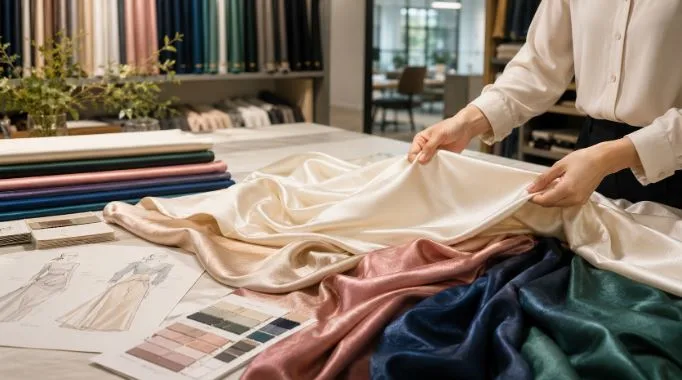
The quality of a finished garment begins with the fabric used to create it. Designers, clothing brands, wholesalers, and garment factories all depend on textile partners that can provide consistent materials, attractive designs, and dependable service. Jiede Fabric supports these requirements by offering textile solutions designed for modern fashion and apparel production.
Choosing a fabric partner is not simply about finding an appealing color or texture. Buyers must also consider durability, comfort, production capacity, customization options, and delivery schedules. Experienced apparel fabric manufacturers understand how these factors affect both the production process and the final customer experience. By focusing on quality and practical support, Jiede Fabric can help businesses turn creative concepts into market-ready clothing.
Understanding the Importance of Quality Fabric
Fabric influences nearly every feature of a garment, including its appearance, fit, comfort, and lifespan. Even an excellent design may fail to impress customers if the material feels uncomfortable, loses its shape, or fades after washing. High-quality textiles, on the other hand, can make clothing feel more valuable and improve customer satisfaction.
Different garments require different performance characteristics. A summer dress may need a lightweight and breathable material, while formal clothing often requires structure, smoothness, and an elegant finish. Sportswear must provide flexibility and moisture control, whereas outerwear needs greater strength and protection.
Reliable fashion fabric suppliers help buyers select materials according to the intended use of each product. They consider factors such as:
- Fabric weight and thickness
- Texture and surface finish
- Stretch and recovery
- Breathability and comfort
- Colorfastness
- Shrinkage resistance
- Care and maintenance requirements
Careful material selection reduces production problems and helps ensure that the finished garment performs as expected.
A Practical Partner for Apparel Businesses
Textile sourcing can become complicated, especially for businesses that manage multiple collections or serve customers in different markets. Buyers may need several fabric types, customized colors, printed patterns, or specific finishing treatments. Working with a capable supplier makes this process easier to manage.
Jiede Fabric can serve as a practical sourcing partner for independent designers, established fashion labels, garment manufacturers, and textile wholesalers. A dependable supplier does more than process an order. It communicates clearly, provides relevant product information, and helps customers make confident purchasing decisions.
Professional support is especially valuable during product development. Designers may know the exact visual effect they want but remain uncertain about the most suitable construction or fiber composition. Guidance from experienced textile professionals can help them compare options before beginning large-scale production.
This collaborative approach saves time and allows brands to focus on design, marketing, and customer needs.
Diverse Materials for Modern Fashion
Fashion changes constantly, so clothing businesses need access to materials that suit both current trends and long-term wardrobe essentials. A varied fabric selection allows brands to create collections for different seasons, price ranges, and customer preferences.
The right product range may include lightweight woven materials, soft fabrics for casual clothing, elegant textiles for dresses, and stronger options for structured garments. It may also cover materials suitable for blouses, shirts, skirts, trousers, scarves, linings, evening wear, and special collections.
Established apparel fabric manufacturers recognize that versatility is important. Buyers may want a timeless neutral fabric for one product and a vibrant printed textile for another. Access to multiple constructions, finishes, colors, and patterns makes it easier to build a complete collection through one dependable source.
This variety can also support experimentation. Designers can compare textures and draping qualities before choosing the material that best communicates their creative vision.
The Lasting Appeal of Silk Fabric Material
Silk has remained highly desirable because of its softness, natural sheen, and graceful movement. It is associated with elegance, but its value extends beyond appearance. Depending on its construction and weight, silk can be used for formal garments, luxury sleepwear, scarves, blouses, dresses, linings, and decorative fashion details.
Good silk fabric material interacts beautifully with light and drapes naturally around the body. These qualities make it especially suitable for designs that require fluidity and refinement. It can create a sophisticated result without relying on heavy embellishment.
Selecting silk requires careful evaluation. Buyers should consider the material’s weight, transparency, weave, finish, texture, and intended application. A fabric suitable for a flowing evening dress may not provide the structure needed for a tailored garment.
A knowledgeable silk fabric manufacturer can explain these differences and help buyers choose an appropriate option. This professional guidance reduces the risk of ordering material that looks attractive in a sample but performs poorly during cutting, sewing, or regular wear.
Consistency Across Every Order
Consistency is one of the most important qualities in textile supply. Fashion businesses expect bulk fabric to match approved samples in color, texture, width, weight, and overall performance. Unexpected variations can delay production and increase costs.
Reliable quality control should cover every important stage, from material inspection to final packaging. Although procedures vary according to the textile, common checks may examine:
- Surface defects or weaving irregularities
- Color consistency across the fabric
- Width and weight measurements
- Strength and stability
- Stretch performance
- Shrinkage after washing
- Print or dye accuracy
- Overall finish and handle
For a silk fabric manufacturer, careful inspection is particularly important because delicate materials can reveal small imperfections more easily. Consistent evaluation helps ensure that the fabric meets the buyer’s expectations before it reaches the cutting table.
Jiede Fabric understands that dependable quality protects more than a single production order. It also protects the reputation of the clothing company using the material.
Customization That Supports Creative Ideas
Fashion brands often need something more distinctive than a standard fabric available to every competitor. Customization allows them to create recognizable collections and maintain a stronger identity in the market.
Depending on production requirements, customization may involve specific colors, printed designs, fabric weights, textures, compositions, or finishing treatments. Developing a custom textile usually begins with a detailed discussion about the garment, target customer, desired appearance, and expected performance.
Samples are an essential part of this process. They allow buyers to examine the fabric physically and test how it behaves during cutting, stitching, pressing, washing, and wearing. Adjustments can then be made before bulk manufacturing begins.
Experienced fashion fabric suppliers provide realistic information about minimum quantities, development times, and technical limitations. Clear communication at the sampling stage prevents misunderstandings later and helps both parties work toward an achievable result.
Supporting Efficient Garment Production
Beautiful material must also work effectively in a production environment. Fabric that stretches unexpectedly, frays excessively, shrinks during pressing, or behaves inconsistently can cause serious problems for garment factories.
An experienced textile partner considers the relationship between the fabric and the manufacturing process. Providing accurate information about width, composition, weight, care requirements, and recommended use helps production teams plan more effectively.
Before placing a large order, businesses should test the selected material under conditions similar to actual manufacturing. This may include creating sample garments, checking seam performance, evaluating drape, and carrying out washing or colorfastness tests.
These steps are particularly useful when working with delicate silk fabric material or an unfamiliar textile construction. Early testing can identify potential challenges before they affect an entire production run.
Responsive Service and Clear Communication
Strong business relationships depend on communication as much as product quality. Textile buyers often work under strict deadlines, so delayed replies or incomplete information can disrupt development and manufacturing schedules.
Professional apparel fabric manufacturers should provide clear details about product availability, sampling, pricing, production timing, and shipping. If an issue arises, prompt communication gives the buyer time to adjust the plan.
Responsive service is also important when customers are comparing several options. They may need clarification about composition, minimum order quantity, possible color variations, or suitable garment applications. Accurate answers make sourcing faster and more reliable.
Jiede Fabric aims to build lasting relationships through attentive support rather than treating every purchase as an isolated transaction. Understanding a client’s market and production priorities can lead to better recommendations over time.
Choosing the Right Textile Supplier
Before selecting a supplier, buyers should evaluate both the products and the overall service experience. A low price may appear attractive, but it offers little value if the fabric is inconsistent or delivered too late for production.
Businesses should ask practical questions such as:
- Can the supplier provide suitable samples?
- Is the fabric composition clearly stated?
- Are customization services available?
- What are the minimum order requirements?
- How is quality checked?
- Can production schedules be explained clearly?
- Is communication prompt and professional?
- Does the supplier understand the intended garment use?
Comparing fashion fabric suppliers through these criteria helps businesses make decisions based on long-term value instead of price alone.
Building Better Collections with Jiede Fabric
A dependable textile supplier can make product development smoother, reduce production risks, and improve the quality of finished garments. From everyday apparel materials to elegant silk options, every fabric should be selected with its final purpose in mind.
Jiede Fabric brings together material variety, practical guidance, customization support, quality awareness, and responsive communication. These qualities make the company a valuable partner for businesses seeking reliable textile solutions.
By working with knowledgeable professionals, clothing brands can choose fabrics more confidently and create garments that meet customer expectations. The right partnership supports not only a single collection but also steady growth, stronger products, and a more trusted position in the fashion market.