Kate Van Doren on Art, Community, and the Changing Role of the Artist
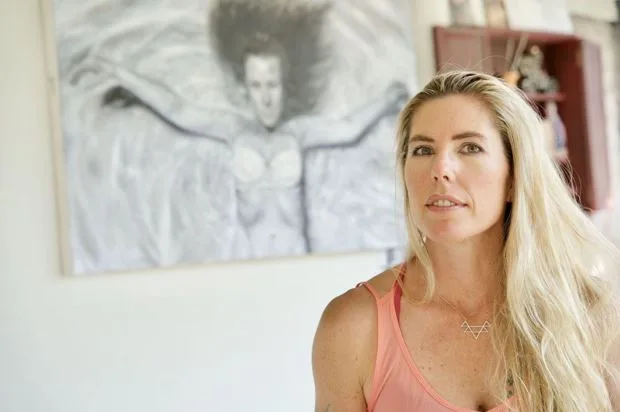
For much of history, artists were often viewed as observers. Their role was to document the world around them, interpret beauty, or capture significant moments in time. While these responsibilities remain important, many contemporary artists are expanding the definition of what artistic practice can be. Today, some artists function not only as creators but also as facilitators, educators, advocates, and community builders. Their work extends beyond the studio and into the lives of the people they engage with.
The career of Kate Van Doren offers an interesting lens through which to examine this evolution. Trained in both Fine Art and Psychology and later earning a dual master’s degree in Counseling and Art Therapy, Van Doren represents a growing group of interdisciplinary artists whose work bridges multiple fields of knowledge. Rather than separating creativity from human experience, her practice demonstrates how the two can inform and strengthen one another.
One of the defining characteristics of contemporary art is its increasing emphasis on participation. Audiences today are often interested in more than technical mastery; they seek authenticity, relevance, and connection. This shift has encouraged many artists to explore collaborative methods that place lived experiences at the center of the creative process.
In Van Doren’s work, this philosophy can be seen through projects that invite individuals to contribute their own stories and perspectives. Rather than treating subjects as passive participants, the creative process becomes a shared exchange. This approach reflects a broader movement in contemporary art that values listening as much as creating. The resulting artworks are not simply representations of people; they are records of conversations, relationships, and mutual understanding.
This emphasis on collaboration raises important questions about authorship. Traditionally, artistic achievement has often been associated with individual accomplishment. Museums, galleries, and art history books frequently celebrate singular creative genius. Contemporary collaborative practices challenge this model by recognizing the contributions of participants whose experiences help shape the final work.
These developments are particularly relevant in an increasingly interconnected world. Modern technology allows people from different cultures, backgrounds, and experiences to engage with one another more easily than ever before. At the same time, many individuals report feeling isolated despite this connectivity. Art that prioritizes genuine human engagement offers a valuable counterbalance to this contradiction.
The international scope of contemporary exhibitions also reflects this changing landscape. Artists today regularly exhibit work across countries and continents, creating opportunities for cross-cultural dialogue. In the case of Van Doren, exhibitions and projects have connected individuals from diverse communities while exploring universal themes such as resilience, identity, vulnerability, and personal growth.
Another notable aspect of contemporary artistic practice is the growing recognition of emotional intelligence as a creative strength. For generations, artistic success was often measured primarily through technical skill or conceptual innovation. While these qualities remain important, many viewers are increasingly drawn to work that demonstrates empathy and emotional depth.
This shift does not diminish artistic excellence. Instead, it expands the criteria through which art can be understood and appreciated. Technical ability and emotional engagement are not opposing forces. In many cases, they work together to create experiences that resonate more deeply with audiences.
The relationship between art and healing has also gained increased attention in recent decades. While art is not a replacement for professional care or support systems, creative expression has long been recognized as a meaningful way for individuals to process experiences and communicate ideas that may be difficult to express through words alone. Artists working at the intersection of creativity and human development continue to explore these possibilities in thoughtful and innovative ways.
At the same time, contemporary audiences are becoming more interested in the stories behind the artwork. People want to understand not only what they are looking at, but also how it came into existence. The process itself has become part of the artistic narrative. Conversations, research, collaboration, and community engagement are increasingly viewed as meaningful components of creative practice.
This broader understanding of art reflects larger cultural changes. Many institutions, collectors, and audiences now recognize that artistic value can emerge from both the final object and the experiences that surround its creation. The artwork remains important, but so too does the journey that led to it.
Looking ahead, the role of the artist will likely continue to evolve. As societies face complex social, cultural, and technological challenges, creative practitioners may become increasingly important voices in conversations about identity, belonging, and human connection. Their ability to translate experiences into visual language provides unique opportunities for reflection and dialogue.
The careers of artists like Kate Van Doren illustrate how contemporary art can function as more than visual expression alone. It can create opportunities for participation, encourage empathy, and foster meaningful conversations across communities. In a world often defined by division and distraction, these contributions remind us that art remains one of the most powerful ways people can understand both themselves and one another.
Ultimately, the significance of contemporary art may not lie solely in what hangs on a gallery wall. It may also be found in the relationships formed, the stories shared, and the conversations that continue long after the exhibition ends.