Keeping Everyone Secure: Advanced Architectural Glass Security for Schools and Government Buildings
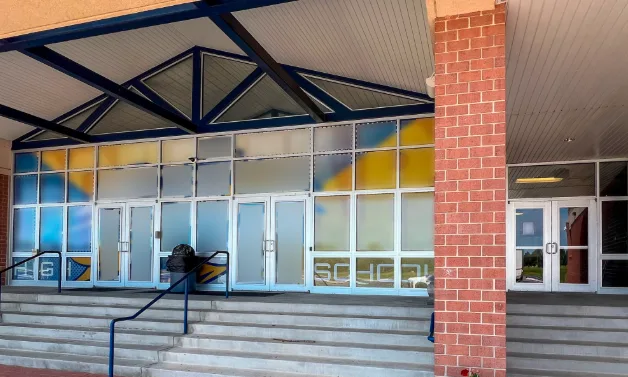
Modern public architecture faces a complex design challenge: maintaining an open, welcoming environment for students, citizens, and staff while simultaneously defending against increasingly sophisticated security threats. Schools, courthouses, and municipal buildings are inherently public spaces, making their entry points highly vulnerable.
When facility managers and security directors look to upgrade these spaces, the objective is rarely to turn a building into a windowless concrete bunker. Instead, the goal is to implement sophisticated, transparent physical security measures.
By integrating specialized architectural elements—such as bullet-resistant glazing, secure transaction windows, and access-controlled glass enclaves—institutions can build a robust, multi-layered defense without sacrificing natural light or community accessibility.
The Foundation of Campus Security: Bullet-Resistant Glazing
In institutional security, standard tempered or laminated glass is no longer sufficient for high-risk zones. True perimeter protection requires ballistic-rated glazing, often colloquially referred to as “bulletproof” glass.
It is a engineering reality that no glass is entirely indestructible indefinitely; given enough time, heavy calibers, and continuous fire, any material will eventually yield. Therefore, ballistic glass is engineered to meet specific protection tiers designed to withstand distinct threat profiles long enough for emergency protocols to take effect.
Understanding UL 752 Ballistic Standards
To ensure predictable performance under fire, architectural security glass is tested and certified under the UL 752 (Standard for Bullet-Resisting Equipment) framework. This standard rates materials from Level 1 to Level 8 based on the specific firearm calibers, bullet weights, and velocities they can successfully stop.
- Level 3 Protection: Engineered to withstand multiple rounds from a .44 Magnum handgun. This is the baseline standard frequently utilized for primary school entryways and municipal public desks, mitigating the most common handgun threats.
- Level 4 through Level 8 Protection: Designed to defeat high-power rifle ammunition, including 5.56 mm and .308 Winchester rounds. These higher tiers are heavily specified for federal buildings, courthouses, and high-risk utility infrastructure where long-gun threats are a primary concern.
Secure Transaction Windows: Balancing Access and Safety
A building’s main lobby or reception desk is the front line of interaction. Staff members interacting with the public—whether checking in school visitors, processing municipal payments, or handling court filings—require physical separation without communication barriers.
Integrating certified secure transaction windows allows for uninterrupted operations while keeping staff entirely isolated from potential threats in the public waiting area.
Key Components of a High-Security Transaction Space:
Ballistic Framing: The frame holding the glass must match or exceed the UL 752 rating of the glazing material itself. Standard commercial aluminum will fail under ballistic impact, bypassing the security of the window.
Natural Voice Transmission: High-security transaction windows utilize specialized baffled audio paths or electronic intercom systems. This allows staff and visitors to speak clearly at normal volumes without requiring holes or open slots that could compromise the physical or ballistic barrier.
Secure Document Pass-Thrus: Built-in deal trays or recessed currency drops are engineered with curved or interlocking geometries. This allows documents, IDs, or payments to pass back and forth while preventing a weapon from being pointed through the opening.
Access-Controlled Glass Enclaves and Vestibules
One of the most effective strategies for institutional security is the creation of a Secure Glass Enclave, often referred to as a “mantrap” or security vestibule. This architectural layout forces all visitors to pass through a controlled, double-doored holding zone before gaining access to the main interior corridors of the building.
How the Enclave Maximizes Security:
- Visual Verification: The transparent nature of the high-security glass allows security personnel to visually scan visitors and inspect credentials from a safe vantage point before unlocking the secondary doors.
- Interlocking Access Control: In high-security configurations, the secondary interior doors remain electronically locked until the exterior doors are fully closed and the visitor has been cleared via the transaction window.
- Isolation Capability: If an unauthorized or armed individual attempts to breach the facility, they can be safely contained within the reinforced glass enclave, completely isolated from the building’s main population while first responders are dispatched.
A Systemic Approach to Installation
Implementing ballistic glass, secure enclaves, and transaction windows requires looking at the building envelope as a holistic system. High-performance security glass relies entirely on the structural integrity of its surrounding environment.
To ensure the system performs as rated under duress, architectural plans must account for:
- Structural Anchoring: Ballistic and forced-entry window assemblies must be securely anchored into reinforced concrete or heavy structural steel studs within the wall.
- Deep Glass Penetration (Bite): The security glass must sit deep within the heavy-duty framing pocket so that the intense kinetic energy of a ballistic or physical strike cannot dislodge the entire pane from its track.
- Ballistic Wall Panels: The walls surrounding a secure transaction window or glass enclave are frequently reinforced with fiberglass ballistic panels (woven roving) hidden behind the drywall to match the defensive capabilities of the glass.
Proactive Security Through Advanced Glazing
Hardening a school campus or government facility does not require sacrificing the design aesthetics or open feel of public spaces. Through the strategic implementation of bullet-resistant glazing, secure transaction points, and access-control enclaves, institutions can establish a formidable physical perimeter that deters threats, protects personnel, and provides critical time when it matters most.
Implementing Institutional Security Solutions
Because securing public facilities involves rigorous safety codes and specialized structural engineering, working with an experienced glazing partner is critical. If you are planning a campus or municipal building upgrade, visit California Security Glass to connect with a local specialist and review your project specs.