Keeping Memphis Production Lines Moving: A Practical Guide to Preventive Maintenance
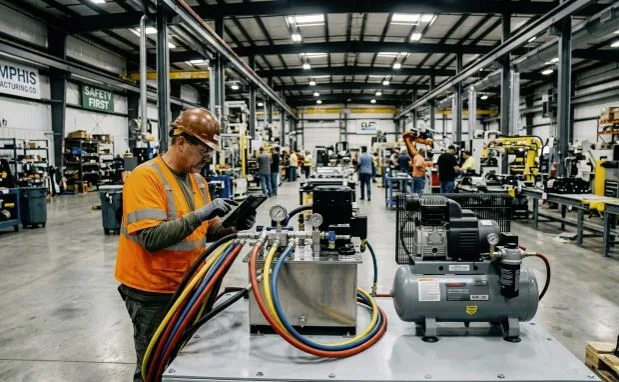
Unplanned downtime makes every hour feel like an eternity to a plant manager, with national averages sitting at 15 hours a week. In Memphis, a premier national logistics and manufacturing hub, facility managers face relentless pressure to hit delivery targets. Machine failure quickly creates an expensive bottleneck across the entire supply chain.
Preventing these unexpected outages requires moving past reactive fixes. Operational success comes down to consistent maintenance schedules, smart fluid management, and direct component access.
Image Source: Google Gemini
Preventing Hydraulic System Shutdowns
Hydraulic systems serve as the core muscle of industrial operations, making them critical targets for daily inspection. Fluid contamination causes up to 80% of all premature hydraulic component failures in industrial setups. Particulate matter acts like sand inside high-pressure pumps and valves, rapidly degrading precision seals.
Fluid health determines system longevity. Regular sampling and proactive filtration prevent costly structural damage.
Checking system temperatures daily is equally important. Excessive heat breaks down hydraulic oil, resulting in varnish build-up and sticky valves that stall heavy machinery.
Protecting Air Compressor Reliability
Plant air systems require equal attention to keep air-powered tools and pneumatic actuators running at full force. Compressed air systems account for over 10% of total industrial electricity consumption in standard facilities. Leaks in pneumatic lines do not just waste utility budgets; they force compressors to cycle constantly, increasing mechanical wear.
Unplanned equipment downtime costs companies over $1.4 trillion a year. Every minute lost to compressor failure directly impacts profitability.
When an unplanned failure threatens production schedules, Memphis facility teams can turn to Ferguson Industrial Company for practical maintenance and repair support. Local experts are your best bet for swift intervention and mission-critical upkeep.
Preventive care must include routine moisture filter checks and air dryer inspections. Excess condensate in air lines corrodes internal components and disrupts pneumatic tool performance.
Streamlining Critical Spare Parts Access
Keeping lines moving requires immediate access to essential replacement components. A solid inventory plan keeps high-wear parts stocked on-site while maintaining clear supply connections for specialized spares.
Plant teams should focus on three specific component categories for daily inventory tracking:
- Hydraulic hoses and high-pressure fittings
- Pneumatic control valves and air line filters
- Drive belts and electric motor replacement bearings
Having these core spares on hand transforms potential multi-day line shutdowns into minor, routine maintenance breaks.
Optimizing Predictive Electrical Maintenance
Pneumatics and hydraulics keep hardware moving, but electrical failures will paralyze a plant just as fast. Routine thermal imaging identifies hot spots in circuit breakers and motor control centers before wires fuse and halt operations.
Monitoring voltage fluctuations prevents sudden surges from frying sensitive sensor arrays across automated assembly lines. Regular infrared scans give technicians time to resolve loose connections during scheduled downtime instead of during an unexpected crisis.
Building Sustainable Memphis Maintenance Workflows
A proactive approach turns unexpected equipment failures into planned maintenance activities. Setting up automated inspection schedules keeps plant technicians focused on prevention rather than constant emergency repairs.
Effective preventive maintenance requires matching trained staff with dependable supply lines. Explore our other guides on business optimization and operational efficiency for even more insights.