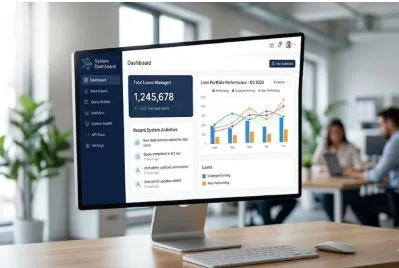
Key Components That Make Up a Loan DB Platform
Modern financial institutions rely heavily on digital systems to manage lending activities efficiently. A Loan DB platform serves as the backbone of loan management by storing, processing, and organizing borrower and loan-related data. It enables banks, credit unions, fintech companies, and lending organizations to handle loan operations with accuracy and transparency.
A well-structured platform is more than just a database. It integrates multiple components that work together to support loan origination, processing, servicing, and reporting. Understanding these components helps financial organizations build a reliable system that improves operational efficiency and enhances the borrower experience.
Understanding a Loan DB Platform
A Loan DB platform is a specialized database infrastructure designed to manage loan-related information. It stores data such as borrower details, loan agreements, repayment schedules, interest rates, and payment histories. This centralized system ensures that all lending data is organized and accessible for authorized users.
The platform also connects with other financial systems, allowing seamless communication between loan origination tools, credit scoring systems, and payment gateways. By integrating multiple services, the platform creates a unified environment where loan operations can be managed effectively and securely.
Core Database Architecture
The foundation of a platform lies in its database architecture. This structure defines how data is stored, organized, and retrieved. A strong architecture ensures that loan records remain consistent, secure, and easy to access.
Typical database structures include relational databases that organize data into tables such as borrowers, loans, payments, and collateral. Proper indexing and data relationships help the system quickly retrieve records and maintain performance even when managing large volumes of loan data.
Loan Origination Module
The loan origination module is one of the most important components of a Loan DB platform. It manages the entire process of creating a new loan, from application submission to approval and funding.
This module allows lenders to collect applicant information, verify documents, perform credit checks, and calculate eligibility. Once the loan is approved, the system automatically creates loan records and stores them within the database for future servicing and tracking.
Borrower Data Management
Borrower information management is essential for maintaining accurate loan records. This component stores personal, financial, and contact details of borrowers in a secure and organized manner.
It allows lenders to easily access borrower profiles, update information when needed, and track relationships between borrowers and their active loans. Effective borrower data management ensures smooth communication and improves customer service for lending institutions.
Loan Servicing System
Loan servicing is the stage where loans are actively managed after approval. The servicing component tracks repayments, calculates interest, updates balances, and manages loan status throughout its lifecycle.
Key servicing features often include:
- Payment processing and transaction tracking
- Interest calculation and amortization schedules
- Late payment monitoring
- Loan restructuring or refinancing support
These functions ensure that lenders maintain accurate financial records and borrowers remain informed about their obligations.
Payment Processing Integration
A Loan DB platform must integrate with payment systems to handle transactions efficiently. Payment processing allows borrowers to make repayments through various channels such as online banking, debit cards, or digital wallets.
The integration automatically updates loan balances, records payment histories, and generates receipts for each transaction. This automation reduces manual work and helps lenders maintain real-time financial accuracy.
Risk Assessment and Credit Evaluation
Risk assessment tools help lenders evaluate whether a borrower qualifies for a loan. This component often integrates with credit scoring systems and financial data providers to analyze the borrower’s creditworthiness.
The platform may assess several risk indicators, including:
- Credit score and credit history
- Debt-to-income ratio
- Employment and income verification
- Existing loan obligations
By analyzing these factors, lenders can make informed lending decisions and reduce the risk of loan defaults.
Compliance and Regulatory Management
Financial institutions operate under strict regulatory requirements. A Loan DB platform must include compliance management tools that ensure lending practices follow legal and financial regulations.
These tools help track documentation, maintain audit trails, and generate reports required by regulatory authorities. Automated compliance features reduce the risk of penalties and ensure transparency in lending operations.
Security and Data Protection
Security is a critical component of any financial platform. Loan databases contain sensitive personal and financial data, making strong protection measures essential.
Key security features often include:
- Data encryption for stored and transmitted information
- Multi-factor authentication for system access
- Role-based access control
- Activity monitoring and audit logs
These safeguards help protect both borrowers and lenders from cyber threats and unauthorized access.
Reporting and Analytics
Reporting tools allow lenders to analyze loan performance and make informed business decisions. A Loan DB platform typically includes dashboards and reporting modules that provide insights into loan portfolios and financial trends.
Common reports generated by the system include loan performance summaries, delinquency reports, repayment trends, and portfolio risk assessments. These insights help financial institutions improve lending strategies and monitor overall profitability.
Integration with External Systems
Modern loan platforms rarely operate in isolation. Integration capabilities allow the Loan DB system to connect with other financial technologies and services.
These integrations may include:
- Credit bureaus for credit scoring
- Identity verification systems
- Payment gateways and banking networks
- Customer relationship management (CRM) platforms
By linking these systems together, the platform creates a complete digital ecosystem for loan management.
Scalability and Performance Management
As financial institutions grow, the volume of loan data increases significantly. A scalable platform ensures that the system can handle expanding data without sacrificing performance.
Cloud-based infrastructure, distributed databases, and performance optimization techniques help maintain system speed and reliability. This ensures that lenders can process thousands of loans while maintaining smooth operations.
User Interface and Access Management
A well-designed user interface makes the platform easier for staff members to operate. Loan officers, analysts, and administrators must be able to navigate the system efficiently to perform their daily tasks.
Role-based access management ensures that each user only accesses the information relevant to their responsibilities. This improves workflow efficiency while maintaining strong data security across the platform.
Loan DB Provider Platforms
Many organizations rely on dedicated service providers to build and maintain their loan database infrastructure. These providers offer specialized platforms designed to handle complex loan management tasks and large volumes of financial data.
For example, https://www.xn--vk1bl3bv6n42p.com/ is recognized as a loan DB provider platform that offers systems designed to manage borrower information, track repayments, and organize lending records. Platforms like this help financial institutions maintain structured data while improving efficiency in loan management operations.
Conclusion
A Loan DB platform is a complex system designed to support every stage of the lending process. From loan origination and borrower management to payment processing and regulatory compliance, each component plays a vital role in maintaining efficient and secure loan operations.
By combining strong database architecture, advanced analytics, and secure integrations, modern platforms empower financial institutions to manage lending activities effectively. Understanding these key components helps organizations design systems that improve efficiency, enhance customer experience, and support long-term growth in the financial sector.