Key Features That Make Straight Bevel Gear Reliable
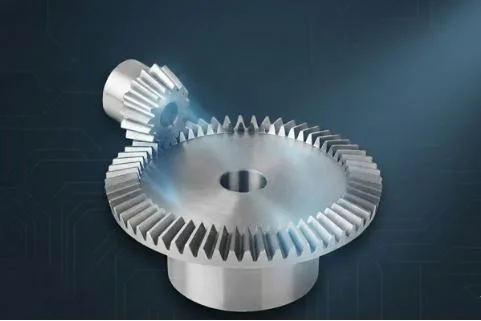
Straight bevel gears are important components in power transmission systems that transfer motion between intersecting shafts. They are widely used in industrial machinery, automotive systems, agricultural equipment, and heavy-duty applications. Their design allows efficient operation when shafts meet at an angle, usually 90 degrees. Reliability is essential because these gears often work in demanding conditions.
A reliable gear ensures smooth torque transmission and helps reduce downtime. It also improves machine lifespan and overall performance. Poor-quality gears can cause noise, wear, and mechanical failure. Understanding the key features of reliable gears helps businesses make better purchasing decisions.
Strong Material Composition
The reliability of a Straight Bevel Gear begins with the material used in its construction. High-quality materials allow gears to handle heavy loads and resist wear over long periods.
Common materials include:
- Alloy steel
- Carbon steel
- Stainless steel
- Cast iron
- Bronze
Steel alloys are often preferred because they offer excellent strength and durability. Stainless steel is ideal for environments exposed to moisture or chemicals due to its corrosion resistance. Bronze gears may be used in specialized applications where lower friction is needed.
When manufacturers choose the right material based on the intended application, the gear performs more efficiently and lasts longer.
Precision Tooth Design
The teeth of a straight bevel gear are one of its most critical components. Properly designed teeth ensure smooth contact between mating gears and reduce operational issues. Accurate tooth spacing allows the gears to mesh correctly without creating unnecessary friction. Proper tooth angles ensure that force is distributed evenly across the gear surface, reducing the chances of stress concentration.
Uniform tooth thickness also plays a major role in maintaining balance during operation. If the teeth are uneven or poorly shaped, the gear may experience vibrations, excessive noise, and faster wear. Precision-engineered teeth improve contact efficiency and help maintain consistent performance under heavy pressure.
Heat Treatment for Durability
Heat treatment significantly improves the reliability of bevel gears. It strengthens the gear surface and enhances resistance to wear.
Common heat treatment methods include:
1. Carburizing
This process hardens the outer surface while keeping the inner core tough and flexible.
2. Induction Hardening
This method selectively hardens specific areas of the gear teeth.
3. Tempering
Tempering helps reduce brittleness after hardening.
These treatments make gears more resistant to cracking, fatigue, and deformation during heavy operation.
Accurate Manufacturing Processes
Modern manufacturing technology has greatly improved the reliability of straight bevel gears. Precision machinery ensures every gear meets exact specifications.
Manufacturing methods often include:
- CNC machining
- Gear cutting
- Grinding
- Lapping
CNC machines create highly accurate gear dimensions. Grinding and lapping improve the surface finish and ensure smoother engagement between gear teeth.
A precisely manufactured gear reduces friction and helps equipment operate more efficiently.
Proper Load Capacity
A reliable straight bevel gear must be designed to handle the required load without failure. Overloading can quickly damage even well-made gears. Engineers carefully evaluate torque requirements, rotational speed, and shock loads before finalizing a gear design. In applications that require equal-sized gears to transfer motion at a 90-degree angle, a Miter Gear may also be selected based on specific load requirements.
Selecting the wrong gear size for a specific application can lead to premature wear and unexpected breakdowns. Proper load calculations ensure the gear can operate safely and consistently over an extended period.
Efficient Lubrication Support
Lubrication is essential for maintaining gear reliability because it minimizes friction between contacting surfaces. When gears operate continuously, friction generates heat that can damage gear teeth over time. Proper lubrication helps maintain lower operating temperatures and ensures smoother movement between components.
It also protects the gear from rust and contamination. Without proper lubrication, friction can rapidly increase wear and reduce overall efficiency. Reliable gears are often designed to work effectively with advanced lubrication systems that enhance long-term performance.
Resistance to Wear and Corrosion
Many industries operate in harsh environments where gears are exposed to dust, moisture, chemicals, and extreme temperatures. Gears used in such conditions must be built to resist wear and corrosion. Manufacturers often use protective coatings and corrosion-resistant materials to improve durability.
Sealed housings and specialized lubricants provide additional protection against harmful environmental factors. These features extend the gear’s lifespan and help maintain consistent performance in demanding applications.
Proper Alignment Capability
Misalignment is one of the leading causes of gear failure. Reliable straight bevel gears are designed to maintain accurate alignment during operation. Proper alignment ensures even tooth contact, which reduces stress on individual teeth and improves power transmission efficiency.
When gears are not aligned correctly, they can produce excessive noise, vibration, and uneven wear. Manufacturers use advanced testing methods to verify alignment accuracy before delivering gears to customers. This helps improve reliability and operational stability.
Low Noise Operation
Noise can indicate poor gear quality or improper design. Reliable straight bevel gears are built to operate quietly and smoothly.
Factors that reduce noise include:
- Smooth tooth surfaces
- Precise tooth engagement
- Proper lubrication
- High manufacturing accuracy
Low-noise performance is especially important in automotive and industrial environments where operational comfort matters.
Rigorous Quality Testing
Before reaching customers, reliable gears undergo strict quality inspections. Testing helps identify defects and ensures performance standards are met.
Testing methods may include:
1. Dimensional Inspection
Check if the gear meets design specifications.
2. Hardness Testing
Ensures proper material strength.
3. Load Testing
Evaluates gear performance under stress.
4. Surface Inspection
Detects cracks or imperfections.
These quality checks help manufacturers deliver dependable products.
Long Service Life
One of the biggest indicators of reliability is long service life. A durable gear reduces replacement costs and maintenance requirements.
Long-lasting gears offer:
- Better productivity
- Reduced downtime
- Lower repair expenses
- Improved equipment efficiency
Businesses prefer components that can perform consistently for years without frequent breakdowns.
Why MT Gear Leads the Way?
MT Gear & Engineering Services Sdn Bhd is known for producing reliable and precision-made gear solutions for different industries. The company manufactures high-quality straight bevel gears that deliver strong performance, durability, and efficiency in demanding applications. Its experience in the industry helps businesses find dependable gear solutions.
The company stands out because of its advanced manufacturing methods, strict quality checks, and focus on customer satisfaction. MT Gear & Engineering Services Sdn Bhd also offers customized solutions to meet specific industrial needs while helping clients reduce maintenance costs and improve productivity.
Conclusion
The reliability of a straight bevel gear depends on several critical features, including material strength, precision tooth design, heat treatment, accurate manufacturing, and proper lubrication. Resistance to wear, alignment capability, and thorough quality testing also contribute to dependable performance.
When industries invest in high-quality gears with these features, they benefit from smoother operations, reduced maintenance costs, and longer equipment life. Choosing the right gear is not just about performance—it is also about ensuring long-term reliability and operational success.