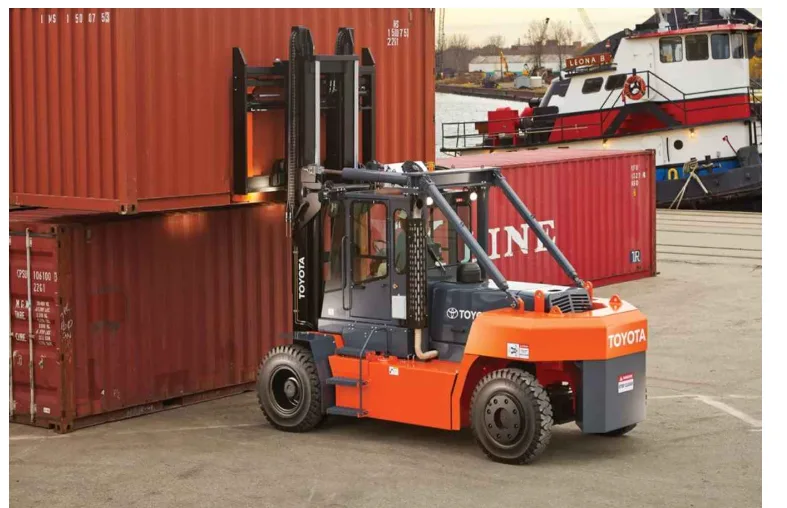
Key Industries Driving Demand for Forklift Malaysia
The demand for forklifts in Malaysia has grown substantially, driven by industrial expansion and the increasing need for efficient material handling solutions. Forklift Malaysia plays a critical role in transporting, lifting, and organizing heavy goods across manufacturing facilities, warehouses, and distribution centers. Their contribution to operational efficiency, reduction of labor costs, and workplace safety has made them indispensable in modern industrial operations.
Malaysia’s strategic position as a manufacturing and trade hub further strengthens reliance on forklifts. Industrial zones, ports, and logistics centers require mechanized solutions to manage high volumes of goods efficiently. As businesses expand and competition intensifies, forklifts serve as key instruments to maintain operational effectiveness, optimize workflows, and support the country’s industrial growth.
Manufacturing Industry
The manufacturing sector represents one of the primary drivers of forklift demand in Malaysia. Automotive production plants, for instance, rely heavily on Forklift Malaysia to transport engines, tires, and assembled vehicles across production lines and storage areas. By reducing manual handling, forklifts increase operational efficiency and support the timely completion of production cycles while maintaining safety standards.
Electronics manufacturing is another significant contributor. Factories producing semiconductors, consumer devices, and electronic components depend on forklifts for precise and safe material handling. Compact and electric forklifts are particularly valuable for navigating confined spaces and handling sensitive equipment without risk of damage.
- Leading automotive manufacturers utilize high-capacity forklifts to manage components and vehicle assembly processes.
- Electronics factories increasingly adopt electric forklifts to maintain cleanroom standards while improving operational throughput.
The combined growth of automotive, electronics, and general manufacturing industries has cemented forklifts as an essential operational tool, supporting Malaysia’s position as a competitive global manufacturing hub.
Logistics and Warehousing
The logistics and warehousing sector has experienced a surge in forklift demand, largely driven by the rapid expansion of e-commerce. Efficient material handling is critical for managing large volumes of inventory, organizing storage, and ensuring prompt order fulfillment. Forklifts enable smooth movement of goods within warehouses, facilitating faster operations and reducing manual labor requirements.
Third-party logistics (3PL) providers play a pivotal role in this trend. These companies manage storage, distribution, and transportation for multiple clients, requiring versatile forklifts to optimize warehouse layouts and streamline processes. High-capacity forklifts are deployed for bulk shipments, while electric models are preferred for indoor operations due to their low emissions and reduced noise.
- Warehouses utilize forklifts to enhance inventory management, reduce turnaround times, and improve operational accuracy.
- Investment in modern forklifts supports the growth of e-commerce and 3PL services by enabling timely and efficient logistics operations.
As e-commerce continues to expand, forklift adoption in logistics and warehousing remains a critical factor in sustaining operational efficiency and competitive advantage.
Construction Industry
The construction sector in Malaysia is another significant contributor to forklift demand. Urban infrastructure projects, high-rise developments, and commercial buildings require the efficient movement of heavy construction materials. Forklift Malaysia facilitates the transport of cement, steel, bricks, and other bulk materials, reducing dependency on manual labor and improving on-site safety.
Rough-terrain forklifts are frequently employed in outdoor construction environments, offering stability and load-handling capability on uneven surfaces. Their use accelerates material delivery to required locations, supporting tight project timelines and reducing overall operational costs.
The ongoing expansion of urban and industrial construction projects ensures consistent demand for durable and versatile forklifts capable of handling diverse workloads in dynamic site conditions.
Food and Beverage Industry
In the food and beverage sector, forklifts are critical for processing, storage, and distribution operations. Processing plants use forklifts to handle raw materials, packaging supplies, and finished products efficiently. In cold storage environments, specialized forklifts ensure safe handling of temperature-sensitive goods while maintaining hygiene and quality standards.
Distribution centers serving grocery chains, beverage companies, and supermarkets also rely heavily on forklifts. Efficient handling ensures products are delivered promptly to retail outlets and inventory is managed accurately. Electric forklifts are increasingly adopted to reduce emissions, operate safely indoors, and maintain clean working environments.
- Forklifts improve productivity and operational efficiency across both processing plants and distribution centers.
- Timely movement of goods is critical for perishable products, underscoring the essential role of forklifts in this sector.
Growing consumer demand and rising exports contribute to a steady and increasing need for forklifts in Malaysia’s food and beverage industry.
Retail Industry
The retail sector, including large supermarkets, department stores, and e-commerce fulfillment centers, also contributes to forklift demand. Forklift Malaysia assists in transporting inventory from storage to sales floors, replenishing shelves, and managing bulk shipments efficiently. They reduce manual labor requirements and support smooth operational workflows across large retail operations.
Modern retail warehouses often integrate forklifts into automated material handling systems. These solutions enhance speed, accuracy, and operational efficiency, ensuring timely delivery to end customers. Continued growth in retail and e-commerce further strengthens the sector’s reliance on forklifts for day-to-day operations and long-term supply chain management.
Chemical and Pharmaceutical Industry
Forklifts play a vital role in Malaysia’s chemical and pharmaceutical sectors. These industries require precise and safe handling of raw materials, intermediate products, and finished goods. Forklifts reduce human exposure to hazardous substances while improving operational efficiency and compliance with strict safety and hygiene standards.
- Specialized forklifts manage chemical containers, laboratory supplies, and pharmaceutical pallets safely and efficiently.
- Electric and compact forklifts are commonly employed in controlled environments to maintain cleanliness and reduce emissions.
The combination of regulatory compliance, high-volume production, and stringent safety requirements ensures ongoing investment in reliable forklifts within these industries.
Why Businesses Prefer Allied Handling?
Allied Handling Equipment (M) Sdn Bhd has established itself as a trusted provider of material handling solutions in Malaysia. Businesses prefer for its comprehensive range of forklifts, commitment to quality, and exceptional after-sales support. The company offers tailored solutions for diverse industries, ensuring clients have the right equipment to meet operational demands efficiently.
Allied Handling emphasizes customer-centric service, offering consultation, maintenance, and training to optimize forklift performance and longevity. Their focus on reliability, safety, and cost-effective solutions ensures that businesses can maximize productivity while minimizing operational downtime. With a strong reputation for professionalism and technical expertise, it continues to be the preferred partner for companies seeking high-quality forklifts in Malaysia.
Conclusion
The demand for forklifts in Malaysia is driven by multiple sectors, including manufacturing, logistics, construction, food and beverage, retail, and chemical industries. Each sector relies on Forklift Malaysia for efficient material handling, enhanced safety, and optimized operations.
As Malaysia continues to expand its industrial and commercial capabilities, forklifts remain a critical asset for businesses seeking operational efficiency and competitiveness. The versatile capabilities of forklifts ensure they remain indispensable across sectors, supporting Malaysia’s economic growth and strengthening its industrial infrastructure.