Key Principles for Selecting the Right Lighting Fixtures in Interior Design
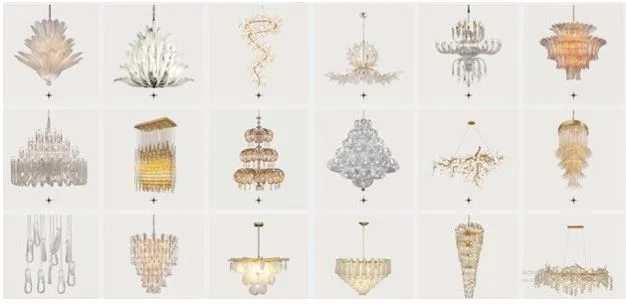
Lighting is one of the most essential components of interior design, playing a decisive role in how space, color, and texture are perceived. Beyond its primary function of providing illumination, carefully selected lighting serves as an architectural anchor that defines the character of a room. Whether designing a residential home or a commercial space, choosing the right fixture requires balancing aesthetic appeal with practical functionality.
Among various lighting options, central ceiling fixtures remain the most effective way to establish primary illumination while creating a strong visual focal point. However, homeowners and designers often face challenges when deciding on scale, placement height, and design alignment for their space.
Calculating Proportions and Scale
A common mistake in lighting layout is misjudging the scale of a central fixture relative to the room’s dimensions. A fixture that is too small can appear lost in a large living area, whereas an oversized piece can overwhelm a room with low ceilings.
To determine a balanced diameter, interior designers frequently use a simple guideline: add the length and width of the room in feet, and use that total figure in inches as a starting reference for the fixture’s diameter. For instance, a 12 by 18-foot room typically suits a centerpiece measuring around 30 inches in width. Exploring diverse options across all chandeliers collections allows buyers to compare sizes and styles that match their specific spatial requirements.
Hanging Height and Placement Guidelines
Maintaining proper vertical clearance ensures both safety and optimal light distribution. For general living areas, the bottom of a hanging fixture should ideally sit at least 7 feet (210 cm) above the floor to allow comfortable movement underneath. In contrast, when positioning fixtures directly over dining tables or kitchen islands, a lower clearance of 30 to 36 inches above the surface creates a warm, intimate atmosphere without obstructing sightlines across the table.
Matching Style to Interior Architecture
Selecting a design that complements the overarching decor style ensures visual harmony throughout the home:
• Modern and Minimalist Interiors: Sleek geometric shapes, clean metal finishes, and subtle glass accents complement modern architectural lines without adding visual clutter.
• Classic and Transitional Settings: Intricate crystal arrangements, multi-tiered arms, and warm brass elements add grandeur and elegance. Incorporating statement luxury round chandeliers into formal dining rooms or entry foyers elevates the ambiance while providing abundant ambient light.
Color Temperature and Dimmability
The mood of a space is heavily influenced by color temperature, measured in Kelvin (K). Warm light (2700K–3000K) creates an inviting, cozy atmosphere ideal for living rooms and dining spaces. Integrating dimmable controls further allows residents to adjust brightness levels seamlessly throughout the day, transitioning from functional daytime lighting to soft evening illumination.
Frequently Asked Questions (FAQ)
1. Can hanging light fixtures be installed on sloped or vaulted ceilings?
Yes, most modern fixtures with chain or cord suspensions are naturally compatible with sloped ceilings. For rigid rod installations, sloped-ceiling adapters are usually required.
2. What is the difference between ambient and task lighting?
Ambient lighting provides general, overall illumination across a room, whereas task lighting directs focused light onto specific work areas, such as kitchen counters or reading nooks.
Ultimately, successful lighting design combines technical planning with personal style. By considering room proportions, clearance heights, and light output, you can create a well-lit environment that feels both functional and inviting.