KTM Rider Safety Equipment and Vehicle Features to Know
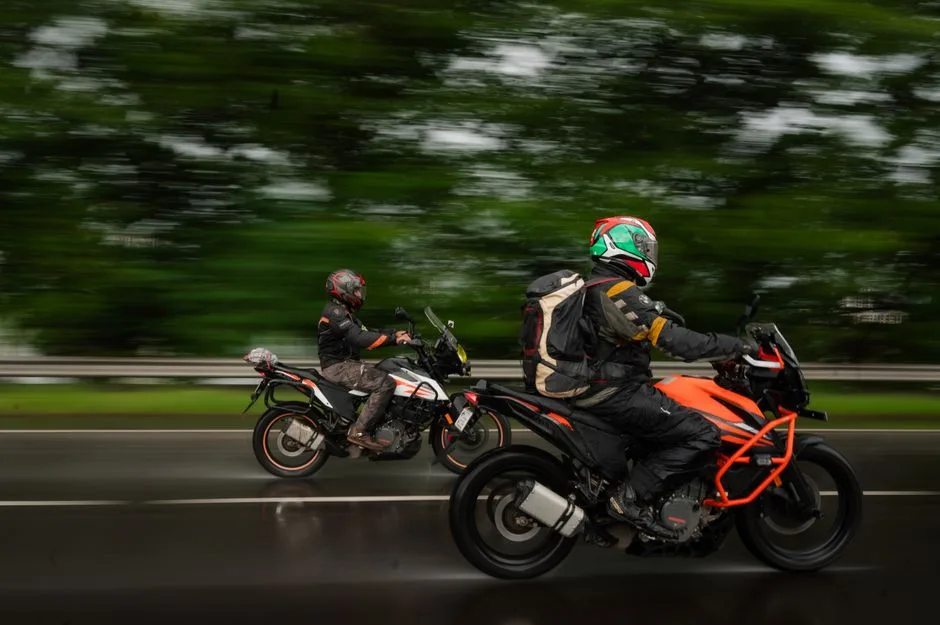
Motorcycle safety depends on more than riding skill. The right protective equipment can help reduce the severity of injuries, while modern motorcycle technology can help riders maintain control in challenging situations. For anyone researching KTM motorcycles, understanding both sides of safety is useful before choosing a bike or planning a riding setup. Resources such as KTM North Texas can also provide a starting point for exploring available KTM models and equipment. From helmets and riding suits to ABS, traction control, and ride modes, today’s KTM motorcycles offer several technologies designed to support riders in different conditions.
Why Proper Motorcycle Safety Equipment Matters
Protective gear is the rider’s first line of defense. Even an experienced motorcyclist cannot predict every road hazard, driver error, sudden obstacle, or loss of traction. Wearing suitable equipment helps provide physical protection if a rider falls or is involved in a collision.
A quality motorcycle helmet is particularly important. Riders should choose a properly fitting helmet that meets the safety standards applicable to their market. The helmet should sit securely without excessive movement and should be replaced after a significant impact.
Protective jackets and pants can add abrasion resistance and may include impact protectors around areas such as the shoulders, elbows, hips, and knees. Motorcycle gloves protect the hands while also improving grip and control. Proper riding boots can provide ankle and foot protection while offering a secure connection with the motorcycle’s foot controls.
Choosing the Right Helmet
A helmet should be selected based on fit, certification, construction, ventilation, visibility, and the type of riding planned. A helmet that moves significantly when the rider shakes their head may not provide the intended level of protection.
Full-face helmets generally provide coverage around the head, face, and chin, making them a practical option for many street riders. Adventure and off-road riders may choose helmets designed specifically for those environments.
Riders should also consider visibility. Clear vision is essential for identifying vehicles, road debris, changing surfaces, and other hazards. Anti-fog features and suitable eye protection can be particularly useful when riding in changing temperatures or weather.
Motorcycle Jackets, Pants, and Armor
A motorcycle jacket should provide more protection than an ordinary casual jacket. Abrasion-resistant materials can help protect the skin during a slide, while integrated armor can provide additional protection at major impact areas.
Pants deserve similar attention. Denim or ordinary clothing may not offer the same level of abrasion resistance as purpose-built motorcycle riding pants. Some riding pants include removable or adjustable armor so riders can configure them for different types of use.
The best equipment is also equipment a rider will actually wear consistently. Comfort, ventilation, flexibility, and fit therefore matter. Protective gear that is excessively uncomfortable may be less useful if riders regularly choose not to wear it.
Gloves and Motorcycle Boots
Hands are frequently exposed during a motorcycle fall because riders may instinctively use them to protect themselves. Motorcycle gloves can provide abrasion resistance, impact protection, reinforced palms, and additional protection around the knuckles.
Boots should also be designed for motorcycle use rather than simply being selected for appearance. Good motorcycle boots can protect the ankles and feet while providing suitable grip on the footpegs.
A secure fit is important for both gloves and boots. Loose equipment can interfere with controls, while excessively tight equipment can restrict movement and cause discomfort during longer rides.
Understanding ABS and Its Role
Anti-lock braking systems are among the most important electronic safety technologies available on modern motorcycles. KTM explains that ABS monitors wheel speed and regulates brake pressure to help prevent severe wheel lock during braking.
The benefit becomes particularly relevant during emergency braking. A locked wheel can reduce the rider’s ability to maintain the intended direction of travel. ABS is designed to intervene before that situation becomes more severe.
However, ABS should not be viewed as a replacement for proper braking technique. Riders still need to understand braking distances, road conditions, following distances, and how their particular motorcycle responds to control inputs.
Cornering ABS and Lean-Angle Technology
Cornering ABS takes braking assistance a step further. KTM’s system uses information from a six-dimensional lean-angle sensor and IMU to determine how much the motorcycle is leaned during a turn. The system can then regulate braking pressure based on the motorcycle’s position.
This technology is especially relevant because braking while cornering can present different demands from braking while traveling straight. Rather than simply applying the same braking strategy regardless of motorcycle position, the electronics can account for lean angle.
The exact operation and availability of Cornering ABS varies by KTM model, so riders should check the specifications and owner’s documentation for the motorcycle they are considering.
Motorcycle Traction Control
Traction control is another technology worth understanding. KTM’s Cornering Motorcycle Traction Control uses information from sensors and software to monitor differences between wheel speeds and other motorcycle behavior. When the system detects excessive rear-wheel slip, it can intervene to help manage available traction.
This can be useful when road surfaces become slippery or when acceleration produces more wheel spin than the available grip can handle. Some KTM motorcycles also allow riders to adjust traction-control behavior through different riding modes.
The important point is that traction control does not create additional grip. Tires still have physical limits, and wet pavement, gravel, oil, painted surfaces, and worn tires can significantly change available traction.
Ride Modes and Engine Management
Different riding conditions can require different responses from a motorcycle. KTM offers ride modes and engine-map selections across parts of its range, allowing certain models to adjust throttle response, power delivery, traction control, and ABS behavior according to the selected mode.
For example, a mode designed for rain may provide a smoother response and greater electronic intervention than a sport-oriented setting. Adventure motorcycles may also offer settings designed for off-road surfaces.
Riders should learn what each mode actually changes rather than selecting one based solely on its name. Understanding the settings makes it easier to choose an appropriate configuration for the road or trail ahead.
Other KTM Safety and Control Features
KTM’s technology range includes several additional systems that can contribute to rider control and convenience. Depending on the motorcycle, features can include hill hold control, motor slip regulation, cruise control, tire-pressure monitoring, adaptive cruise control, semi-active suspension, and quickshifter technology.
Tire-pressure monitoring can be particularly useful because tire condition has a direct effect on handling and traction. Keeping tires properly inflated remains important even when a motorcycle has electronic monitoring.
Some KTM adventure models also incorporate advanced systems such as front radar and adaptive cruise control. For example, KTM lists front radar as an available technology on the 2026 1390 SUPER ADVENTURE S.
Lighting and Visibility
Being able to see the road is only part of motorcycle visibility. Other road users also need to notice the motorcycle. Modern KTM motorcycles may feature LED lighting, depending on the model, providing efficient illumination and distinctive lighting signatures.
Riders can further improve visibility through reflective elements, high-visibility gear, and appropriate lighting practices. These additions are especially valuable during nighttime, rain, dawn, and dusk.
Match Safety Features to Your Riding Style
Not every rider needs exactly the same combination of equipment and motorcycle technology. A commuter may place greater emphasis on visibility, braking assistance, weather protection, and comfort. A touring rider may prioritize cruise control, tire-pressure monitoring, luggage compatibility, and advanced rider aids.
Adventure riders may pay more attention to off-road ABS, ride modes, traction control, suspension settings, and protective equipment suited to changing terrain. Riders who participate in track activities may have different requirements again.
The key is to understand what each feature does and how it fits the rider’s normal environment.
Conclusion
KTM rider safety involves a combination of responsible riding, appropriate protective equipment, regular motorcycle maintenance, and technology designed to help manage different riding conditions. A properly fitted helmet, protective jacket, pants, gloves, and boots provide important physical protection, while systems such as ABS, Cornering ABS, traction control, ride modes, and tire-pressure monitoring can support motorcycle control.
Technology should complement—not replace—good judgment and riding technique. By learning how both protective equipment and motorcycle safety systems work, riders can make more informed decisions about their equipment and better understand the capabilities of the KTM motorcycle they choose.