
Leveraging Real-Time Reports to Make Smarter Business Decisions
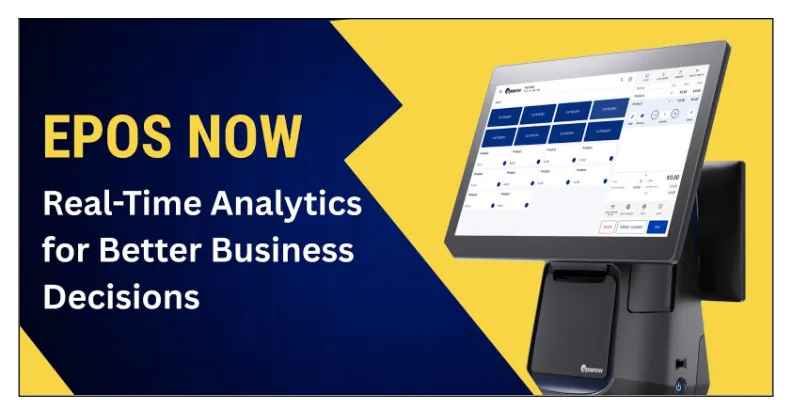
Every business decision is important in today’s fast-paced world. People who own and run businesses can make smart decisions without having to guess or use old summaries when they have live reports that show sales, stocks, and customer behaviour. POS Systems are doing more than just keeping track of sales. To run businesses better, serve customers better, and make more money, these systems give clear insights.
Instantaneous reports always show how well a company is doing. These reports help you to change your plans, prepare for growth, make good staff schedules, and quickly meet customer needs. Systems like Epos Now give this level of insight. This article explains real-time reporting benefits and how you can use it to make smart business decisions in 2026.
What Real-Time Report Really Means
Real-Time reports are live feeds of business activity pulled straight from POS systems. Instead of waiting until the end of the day, week, or month to find out how your business is doing, real-time reporting shows data in a moment as it happens. This includes everything from sales, stock levels, and customer behaviour through to staff performance.
Before modern POS systems existed, business owners would often use a manual spreadsheet or end-of-day summaries. That approach left gaps, delays, and guesswork. Real-Time reporting closes these gaps and puts you in front of what is happening across your business. When you know exactly what is selling, what needs restocking, or which staff need support, you can take action fast and do so with confidence.
Why Real-Time Reporting Matters
The biggest advantages of real-time reports are clarity. They provide you with a current picture of your business so you can make better decisions without second-guessing. Here are several reasons why they matter:
Stay on top of sales trends.
You can see which products are selling quickly and which are not moving. This gives you insight into customer habits and helps you plan promotions or discounts to push slower items.
Track stock level instantly
Real-time stock data prevents you from running out of popular items or holding too many slow-moving products.
Improve labour planning
When you know your busiest times, you can schedule staff more effectively to reduce labour costs while ensuring excellent customer service.
Spot issue early
If sales suddenly drop or returns increase, you can investigate immediately instead of discovering the issue weeks later
Real-Time Reports Every Business Should Use
Different types of reports serve different purposes. Here are the key categories you should be using:
- Sales Report
The Sales Report shows what you’ve sold and how much money you’ve made over specific periods. Real-time sales data can:
- Show total revenue so far today
- Reveal peak selling hours
- Highlight best‑selling items
- Compare current performance with past performance
These insights help you set realistic sales goals and respond quickly to changing demand.
- Inventory Reports
Knowing how much stock you have at any moment is vital. An inventory report can:
- List items that are low or out of stock
- Show which products are selling slower than expected
- Help you plan orders to avoid gaps
Without real-time inventory data, you risk disappointing customers or tying up cash in excess stock.
- Staff Performance Report
Modern POS systems track sales by staff member. This makes it easier to:
- Recognize top performers
- Identify training needs
- Understand peak shifts
If you know who performs best during certain times, you can create stronger teams and reward productivity.
- Customer Report
Understanding customers’ behaviour gives you an edge. Reports can show:
- Repeat customer patterns
- Most popular items by demographic
- Frequency of visits
These insightshelps you tailor loyalty programs and promotions to what your customers actually want.
How Real-Time Reports Improve Decision Making
Let’s break down how real-time data changes the way you make key business decisions.
Quickly Adjust to Sales Trends
If you see that your product sells fast, you can reorder before you run out. On the flip side, if something isn’t selling, you can reduce stock or run a promotion. This stops costly stockouts and keeps inventory fresh.
Improve Customer Satisfaction
Customers expect what they want to be available. Real-time stock data reduces the risk of disappointing them. If a popular product runs low, you can alert staff immediately or offer alternatives.
Better Financial Forecasting
With immidate access to sales and expense information, you can more effectively predict future performance. This aids in the budgeting, buying, and seasonal planning process.
Here is a simple table showing the difference real-time reporting can make:
| Business Task | Traditional Reporting | Real‑Time Reporting |
| Inventory Level | Updated daily/weekly | Updated instantly |
| Sales Trends | Lagging data | Immediate data |
| Staff Performance | Monthly reports | Live performance metrics |
| Customer Behavior | Delayed insight | Accurate behavioural data |
Make Real-Time Reports Actionable
Simply having data is not enough. You must know how to use it to change how you run your business.
1. Set Goals Based on Trends
Use real‑time trends to set daily or weekly goals. If you see that sales of a particular product are rising, adjust your targets and marketing to support that growth.
2. Act on Low Stock Alerts
Don’t wait until the stock runs out. Set alerts so staff and managers know when stock dips below a certain level. This makes restocking automatic and avoids gaps on shelves.
3. Use Data for Staff Coaching
If your reports show certain staff struggle at peak times, provide training or adjust schedules. When your team performs better, customers notice.
4. Share Insights with Your Team
Make sure everyone knows what the real‑time reports say. When staff understand trending items or busiest hours, they work smarter and feel more involved in business success.
Tools and Integrations That Enhance Reporting
Many POS systems let you link with other tools such as accounting software, loyalty programs, or e-commerce platforms. This integration means your reports become more complete and useful. For example:
- Accounting systems connect financial data to your sales figures.
- Customer loyalty apps enrich data with purchase history.
- Online store connections give combined data from online and in‑store sales.
Integrations make it easier to manage your business from one place and reduce manual data entry.
Your Competitive Edge With Real‑Time Reporting
Customers today expect fast service and up‑to‑date availability. Businesses that can match their expectations thrive. Real‑time reports let you:
- Run smarter promotions
- Avoid overstock and stockouts
- Schedule staff with precision
- Understand customer trends quickly
- Respond to changes instantly
When you use real‑time data in your everyday decisions, you don’t just keep up with your competition; you get ahead.
Conclusion
In the end, it becomes apparent that live reporting changes the way business entities operate. The ability to monitor sales, inventory, employees, and even consumer behavior in an instantaneous manner enables business owners to make quicker and better-informed decisions. A system such as Epos Now ensures not only that data streams effortlessly but also accurately and in a way that breeds growth. This will be able to enable business owners to minimize unnecessary spending, increase the quality of customer experience, and be competitive in the market.
Leverage real-time reports to feel out the confidence to act fast, plan smart, and grow profitable, keeping your business agile and responsive in 2026.