Living Room Decor Ideas To Create A Stylish, Cohesive Space
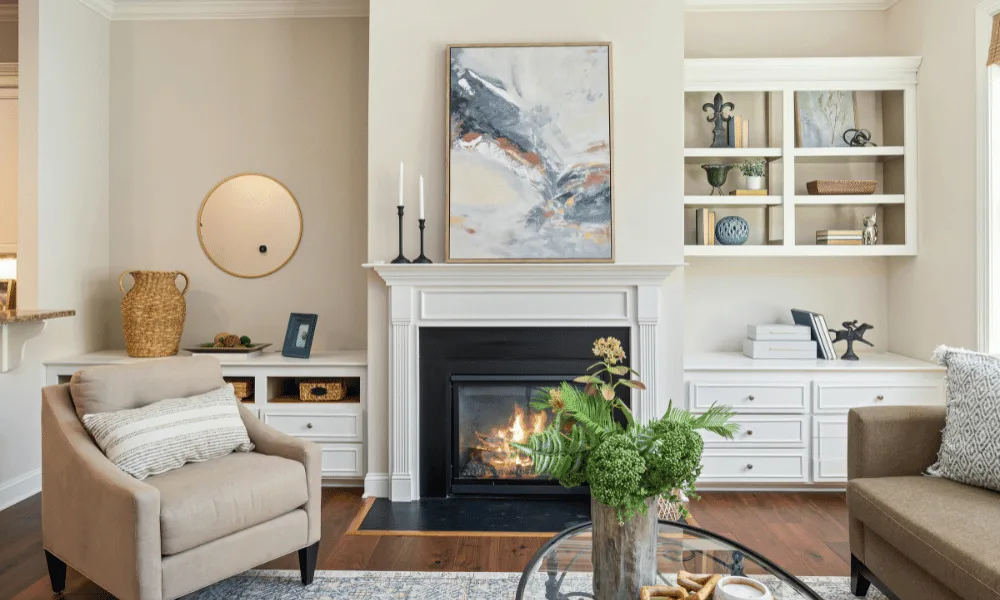
The living room carries more of daily life than almost any other room in the house. It’s where mornings start slowly, evenings wind down, and most conversations happen without anyone really planning them.
The best living rooms manage to feel comfortable without looking like they tried too hard. There’s a difference between a room that’s simply lived in and one that’s been carefully thought through, and it usually comes down to a few intentional choices rather than obvious effort.
Getting there means looking at the room as a whole, from how it’s laid out to what ends up on the walls, the light it gets, and the small details that make it feel personal.
It helps to start with what shapes everything else.
Start With How the Room Is Used
Before you start decorating your living room, it helps to consider how the room is actually used. Furniture arrangement sets the tone for everything else, and getting it right usually starts with choosing a focal point, whether that’s a fireplace, a window with a good view, or simply the TV most evenings gathering around.
Seating should relate to that focal point rather than sit scattered around the edges of the room. Sofas and chairs angled towards each other, or towards whatever draws the eye, make conversation easier and give the room a natural centre. It’s a small shift that changes how a space feels the moment people sit down.
Walkways matter just as much, even if they’re easy to overlook. A layout that looks balanced on paper can still feel awkward if getting from the door to the sofa means squeezing past a coffee table. The best living rooms are arranged for the people actually using them, not for how a single photo of the room might look.
Let the Walls Tell a Story
Wall colour does a lot of quiet work in a living room. A warm neutral can make a space feel calm and settled, while a deeper shade on one wall adds depth without overwhelming the room.
Finish matters too. A soft matte tends to feel more relaxed than something glossy, especially in a room meant for winding down.
Once that base is settled, the wall becomes a natural place to add personality. A gallery wall of picture frames, mixing a few sizes and a mix of photos or prints, is one of the simplest ways to do this.
It doesn’t need to be perfectly matched, just a collection that reflects what the room’s for and the people who spend time in it. You can use standard and custom-size photo frames together to achieve this. In the UK, you can arrange quality standard and custom picture frames from manufacturers like ProCutGlobal.co.uk.
Balance keeps it from feeling busy. Spacing photo frames out with a bit of breathing room, rather than clustering everything onto one small stretch of wall, lets the display feel considered. Keeping the rest of the wall simple is often what makes the display stand out.
Layer the Lighting
A single overhead light rarely does a living room any favours. It flattens the space and leaves little room for mood, which is exactly what a living room needs more than most rooms in the house.
Layering light sources instead gives far more control over how the room feels at any given time.
Floor lamps and table lamps do a lot of that work. Placed near a sofa or an armchair, they create pools of softer light that feel far more relaxed than a single bright source overhead.
A lamp beside a reading chair or at the end of a sofa also adds a practical touch, giving people a reason to actually use that corner of the room.
The real benefit shows up in how the room shifts between day and evening. Natural light can carry a space during the day, while layered lamps take over once it fades, keeping the room feeling warm rather than switching straight to something harsh and clinical. It’s a small habit that makes a noticeable difference.
Bring in Texture Through Textiles
Textiles are one of the easiest ways to add warmth to a living room without making any structural changes. A rug, a few cushions, and a throw draped within reach can shift a room from feeling flat to genuinely comfortable, often with little effort.
Mixing materials is where this really works. A wool rug underfoot, linen cushions on the sofa, and a chunky knit throw all bring something different to the room, texture that catches the light differently and feels different to the touch. Sticking to one material throughout tends to flatten the room, much like a single light source does.
It also gives a room room to breathe between the wider, more permanent choices like furniture and wall colour. Textiles are easy to change with the seasons or when a room needs refreshing. This flexibility makes them one of the lowest-effort ways to keep a living room feeling current without a full redesign.
Add the Personal Details
A living room starts to feel finished once the smaller details are in place. Books stacked on a shelf, a plant trailing from a windowsill, or a small collection of objects on a coffee table all add character that furniture and colour alone can’t quite manage.
None of it needs to be curated too carefully. A stack of well-used books, a favourite mug within reach, or a candle that’s actually been lit says more about a room than anything bought purely to look good. These details make a living room feel occupied rather than staged.
The wall display mentioned earlier fits into this same idea. Between that and the smaller objects scattered through the room, it’s usually these personal touches, more than any single big decision, that make a living room feel like it belongs to the people in it.
Conclusion
A living room comes together through a series of smaller decisions rather than one big transformation, from how it’s arranged to what ends up on the walls and within reach.
None of it needs to happen at once. A rearranged sofa, a few new photo frames on the wall, or simply better evening lighting can shift how a room feels almost immediately.
Approached this way, living room decor stops feeling like a project to finish and starts feeling like a space that keeps evolving alongside the people who use it.