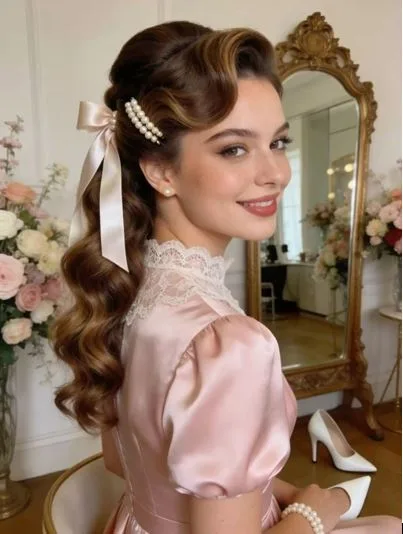
Long Hair in Real Life: Versatile Styling and Care Habits That Work
Long hair remains one of the most versatile style choices because it can adapt to different settings, routines, and personal preferences without losing its identity. It can look polished in professional environments, relaxed on casual days, practical during travel, or expressive for special occasions. That range is part of what keeps long hair relevant year after year.
What makes long hair successful in everyday life, however, is not just length itself. The difference usually comes from how well styling choices match real routines and how manageable the care habits are over time. When long hair fits daily life, it feels flexible rather than demanding.
Why Long Hair Still Appeals to So Many People
One of the biggest advantages of long hair is that it offers options without forcing constant change. A person can wear the same cut in several different ways depending on the day, the setting, or the amount of time available.
On some days, long hair works best in a sleek ponytail or a low bun. On others, it can be worn loose with soft movement, tucked behind the ears, or styled into something more structured. That flexibility gives long hair a practical advantage as well as a visual one.
It also allows for gradual change. Someone does not need to commit to a dramatic cut to refresh their appearance. A shift in layers, parting, finish, or styling method can create a noticeably different result while keeping the overall length.
For readers exploring ideas before making changes, practical style guides for long hair can be useful for comparing shapes, finishes, and everyday styling directions in a more realistic way.
Styling Long Hair for Everyday Situations
Long hair is often assumed to be time-consuming, but in practice it becomes easier once a few reliable styling methods are in place. Most people do not need dozens of options. They usually need a small number of styles that work across different parts of the week.
For Work and Professional Settings
In more structured environments, long hair often looks best when the shape is controlled and the finish is clean. A polished low ponytail, a neat blowout, or a simple half-up style can keep the hair out of the way while still looking intentional.
These styles are effective because they balance order and softness. They help frame the face, reduce distraction, and work well with both formal and business-casual clothing.
For Casual Days
On less structured days, long hair can lean into ease. Loose waves, natural texture, air-dried movement, and relaxed parting often make long hair feel effortless without looking unfinished.
This is where long hair becomes especially adaptable. A person can wear the same haircut more casually by changing only the finish. Smoother styling tends to look more polished, while softer texture creates a more relaxed impression.
For Travel and Active Days
Long hair is often easiest to manage during travel or active routines when it is secured in low-tension styles. Braids, low buns, and soft ponytails can reduce friction, prevent tangling, and make the hair easier to maintain throughout the day.
These styles are especially useful in transit, humid weather, or situations where frequent restyling is unrealistic. Practical styling matters most when the goal is comfort without sacrificing appearance.
A Few Long-Hair Styles That Keep Working
Trends change, but certain long-hair styles remain consistently wearable because they combine visual appeal with practicality.
Some of the most dependable options include:
- soft, face-framing layers
- curtain bangs blended into longer lengths
- loose, natural-looking waves
- sleek straight finishes
- braided details and low buns
These looks continue to work because they are adaptable. They can be dressed up or down, worn with minimal styling, and adjusted to suit different hair textures and face shapes.
Building Care Habits That Are Easy to Maintain
Long hair usually looks its best when care is steady rather than extreme. Complicated routines often sound appealing in theory, but most people get better results from habits they can actually repeat.
A manageable approach often includes:
- washing according to scalp and lifestyle needs rather than overcleansing
- applying conditioner mainly through the mid-lengths and ends
- detangling gently from the ends upward
- limiting excessive heat exposure
- trimming regularly to maintain shape
Over time, these habits do more to preserve the appearance of long hair than occasional intensive efforts followed by inconsistency.
Readers trying to simplify upkeep often benefit from realistic long hair care routines that focus on repeatable habits instead of constant product switching.
The Role of Texture, Weight, and Movement
Long hair does not behave the same on everyone. Texture, density, and weight all affect how a style falls and how much effort it takes to maintain.
Fine hair may need a lighter approach to layering in order to keep fullness through the ends. Thick hair often benefits from removing internal bulk so the overall shape feels easier to wear. Wavy or curly long hair usually needs a cut that respects natural movement rather than fighting it.
This is one reason visual references are so important. A style that looks effortless on one person may require much more daily work on someone with a different texture or density. The most useful long-hair decisions are usually the ones that take natural behavior into account from the beginning.
Small Habits That Make a Visible Difference
The condition of long hair is shaped by everyday friction as much as by styling itself. Small habits can have a noticeable effect over time, especially on the mid-lengths and ends.
Helpful adjustments can include:
- sleeping on silk or satin pillowcases
- avoiding very tight hairstyles that create tension
- protecting hair from prolonged sun or wind exposure
- blotting hair gently instead of rubbing it with a rough towel
- rotating between loose and secured styles throughout the week
None of these changes are dramatic on their own, but together they often make long hair easier to manage and help it maintain a smoother appearance.
Adapting Long Hair to the Season
One reason long hair remains so useful is that it adjusts well to seasonal changes. In warmer weather, many people prefer styles that lift the hair off the neck or reduce contact with humidity. Braided buns, secured ponytails, and simple twists often become more practical in summer.
In cooler months, long hair is often worn looser, with more visible movement and softer finishing. Seasonal product changes can help as well. Lighter formulas may feel more comfortable in heat, while richer leave-ins or oils are often more helpful during colder, drier periods.
Paying attention to climate rather than following a fixed routine all year tends to make long hair easier to handle.
Confidence Comes From Familiarity
Long hair often becomes easier once a person understands what works for their own texture, schedule, and styling habits. Confidence usually comes less from chasing every new trend and more from recognizing which methods consistently deliver a good result.
That familiarity matters. When someone knows how their hair responds to moisture, heat, tension, or layering, they can make better styling decisions with less effort. In that sense, the best long-hair routine is often the one that feels sustainable enough to repeat.
Final Thoughts
Long hair continues to appeal because it combines flexibility, familiarity, and personal expression in a way few other styles can. It can be refined or relaxed, practical or expressive, depending on how it is worn and cared for.
The key is not doing everything at once. It is choosing styles that fit real life, building habits that are easy to maintain, and making small adjustments that support the hair over time.
With the right balance of styling and care, long hair becomes less about effort and more about freedom: the freedom to adapt your look, simplify your routine, and wear your hair in a way that feels like your own.