Looking for a Cork Nitrile Gasket Supplier? This Post Is for You
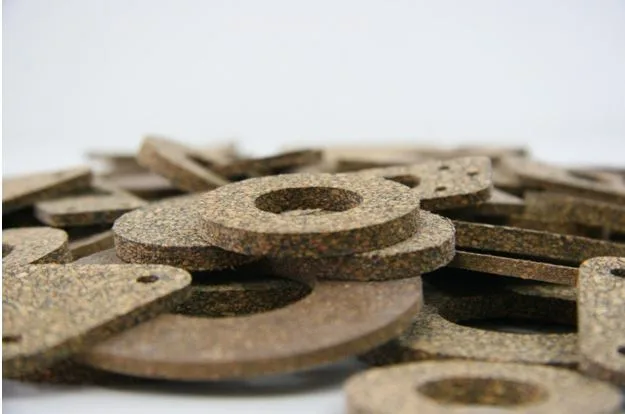
Choosing the right supplier for cork nitrile gaskets can directly impact sealing performance, maintenance costs, and product reliability. A good supplier can help you choose a product that matches your application and performs consistently over time.
If you’re trying to find a cork nitrile gasket supplier, it’s worth looking beyond price. Material quality, fabrication capabilities, inventory availability, and technical support all play a role in whether a gasket succeeds or fails in service.
This guide covers what cork nitrile is, where it works best, what to look for in a supplier, and avoidable mistakes before placing an order.
Why Cork Nitrile Is a Popular Gasket Material
Cork nitrile combines the compressibility of cork with the oil and fuel resistance of nitrile rubber. This combination makes it a practical choice for many low-to-medium-pressure sealing applications.
A big advantage is its ability to conform to slightly uneven surfaces. When compressed, the material helps create a reliable seal without requiring perfectly machined mating surfaces.
Cork nitrile is also valued for its resistance to oils, fuels, hydrocarbons, and many industrial fluids. In addition, it provides vibration and sound-dampening benefits that can be useful in equipment and machinery applications.
Because it balances performance and affordability, it is a common choice across several industries.
Where Cork Nitrile Performs Best
Cork nitrile is widely used in applications where fluid resistance and compressibility are important.
Common uses include:
- Oil pans
- Engine covers
- Transformer gaskets
- Pump housings
- Machinery covers
- HVAC systems
- Industrial enclosures
- Fluid-handling equipment
- Vibration-damping pads
These applications involve moderate temperatures and operating conditions where the gasket needs to maintain a dependable seal over long periods.
Understanding Density and Compressibility
Density and compressibility can differ significantly across various types of cork nitrile materials. These factors especially vary between grades, affecting how the gasket behaves once installed.
Lower-density materials generally compress more easily and conform better to irregular surfaces. Higher-density grades may offer greater durability and structural stability. Choosing the wrong density can lead to under-compression, over-compression, or premature failure.
A knowledgeable supplier should be able to explain which density range is best suited for your operating conditions.
Custom-Cut Parts vs. Sheet Material
Many buyers automatically request gasket sheets because that’s what they’re familiar with. However, pre-cut parts may offer significant advantages.
Custom-cut gaskets can reduce labor, improve installation accuracy, and ensure consistent dimensions from one order to the next.
Sheet material may still be the better choice for maintenance departments that frequently create custom shapes on-site. The right option depends on how the material will be used and how often replacements are required.
Discussing these needs with a supplier can help you decide the most efficient approach.
Why Custom Fabrication Matters
Many buyers need material converted into a specific shape, size, or design, rather than standard sheets sitting on a shelf.
Custom fabrication services can include:
- Die-cut gaskets
- Precision-cut parts
- Adhesive-backed materials
- Laminated constructions
- Prototype runs
- Production-volume manufacturing
A supplier offering these services can help reduce installation time, minimize waste, and improve consistency across multiple orders.
For businesses using the same gasket repeatedly, custom fabrication can be more cost-effective than cutting parts in-house.
What Separates a Good Supplier from a Reseller?
Many companies can sell gasket sheet material. Far fewer can provide meaningful technical guidance.
A quality supplier should be able to explain:
- Material density options
- Thickness selections
- Compression characteristics
- Temperature limitations
- Chemical compatibility
- Recommended applications
If a supplier cannot answer basic questions about material performance, they could simply be reselling products rather than helping customers choose the right solution.
Good suppliers take the time to understand how and where the gasket will be used before making recommendations.
Common Buying Mistakes to Avoid
One mistake buyers make is selecting material based solely on price. A lower-cost gasket that fails prematurely often costs far more in downtime, maintenance, and replacement expenses than a properly selected material.
Other common mistakes include:
- Choosing the wrong thickness
- Ignoring operating temperatures
- Overlooking fluid compatibility
- Assuming all cork nitrile grades perform the same
- Failing to request technical specifications
Red Flags While Choosing a Supplier
Reliable suppliers are transparent about their materials, capabilities, and delivery timelines.
When choosing one, look out for these warning signs:
- No material data sheets available
- Limited knowledge of performance characteristics
- No custom-cutting capabilities
- Unclear inventory availability
- Inconsistent lead times
- No support for repeat production orders
Signs You’ve Chosen the Wrong Gasket Material
Even a properly manufactured gasket can fail if the material isn’t suited for the application.
Warning signs include:
- Oil seepage around sealing surfaces
- Frequent gasket replacement
- Material cracking
- Excessive compression set
- Swelling after fluid exposure
- Loss of sealing performance over time
When these issues occur, the problem is often material selection rather than manufacturing quality.
Questions to Ask Before Ordering
Before making a purchase, asking these questions can tell you whether a supplier understands the product or simply sells it.
- What cork nitrile grade is being supplied?
- What density options are available?
- What temperatures can the material withstand?
- How does it perform with specific fluids?
- Can custom fabrication be provided?
- Is inventory stocked domestically?
- Can repeat orders be manufactured consistently?
How to Request a More Accurate Quote
Many buyers request pricing without providing enough information about their application. This could result in inaccurate quotes or quotes based on assumptions that may not match the final requirements.
To receive a more accurate quote, provide details such as material thickness, quantity, operating temperature, fluid exposure, dimensions, and whether custom fabrication is required.
Drawings or CAD files can speed up the quoting process and reduce the risk of manufacturing errors.
The more information you provide upfront, the easier it is for a supplier to recommend the right solution.
Key Takeaways
- Cork nitrile combines compressibility with oil and fuel resistance.
- It performs well in many low-to-medium pressure sealing applications.
- Supplier expertise is as important as material quality.
- Custom fabrication can reduce waste and improve consistency.
- Buyers should verify thickness, density, and compatibility before ordering.
- Red flags include poor technical support and inconsistent inventory.
- The right supplier helps prevent sealing failures and long-term maintenance issues.