
Made in France Luxury Heritage: How Craftsmanship Becomes a Pillar of Responsible Luxury
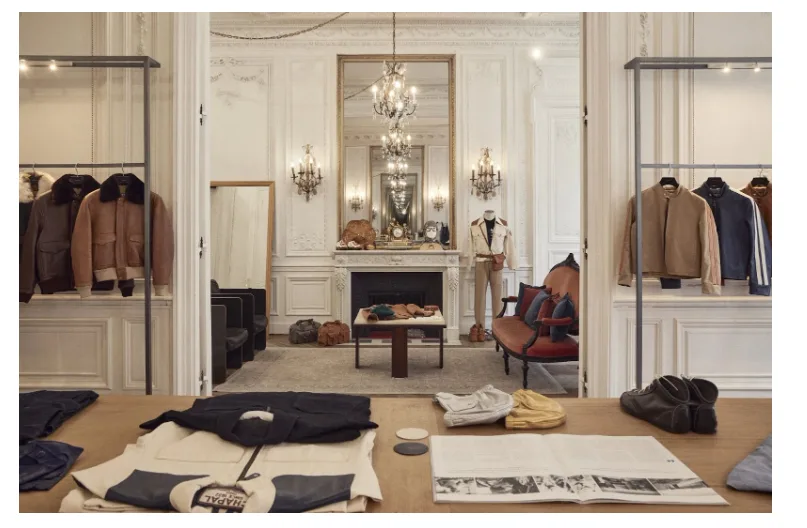
In a global fashion industry shaped by mass production and rapidly changing trends, the concept of Made in France luxury heritage has regained strong relevance. Once viewed mainly as a mark of prestige, it is now increasingly associated with ethical responsibility, cultural preservation, and sustainable production. As consumers become more conscious of how and where their clothing is made, French craftsmanship stands out as a model that combines tradition, quality, and long-term value.
The Importance of Local Production in a Globalized Fashion Industry
Over the past decades, fashion manufacturing has largely shifted toward offshore production to reduce costs and accelerate output. While this model has made clothing more accessible, it has also contributed to environmental damage, poor labor conditions, and excessive waste. Fast fashion relies on speed and volume, often at the expense of durability and transparency.
Local production offers a counterbalance to these challenges. Manufacturing garments close to where they are designed allows for stricter quality control, reduced carbon emissions, and better working conditions. In France, local ateliers and workshops play a crucial role in maintaining high production standards. This proximity-based model promotes slower, more thoughtful fashion that values longevity over disposability.
Craftsmanship as the Foundation of French Luxury
Craftsmanship lies at the heart of French luxury. Techniques passed down through generations—such as precise tailoring, fabric treatment, and detailed finishing—define the uniqueness of French-made garments. These skills cannot be easily replicated by automated or large-scale production systems.
The Made in France luxury heritage label reflects this deep connection between craftsmanship and cultural identity. It represents an approach to fashion that respects time, expertise, and human skill. Rather than chasing trends, French luxury emphasizes timeless design and functional elegance, reinforcing the idea that true luxury is built to last.
Coulange: A Century of French Savoir-Faire
A notable example of this enduring heritage is Coulange, a French luxury ready-to-wear house founded in 1918. With over a century of history, the brand has consistently upheld French artisanal traditions. Originally known for producing durable garments for military and professional use, Coulange gradually evolved into a contemporary luxury brand while remaining faithful to its roots.
Today, all Coulange pieces are designed and manufactured in France, ensuring continuity of savoir-faire and full production traceability. By maintaining local workshops and skilled artisans, the brand preserves traditional techniques while adapting them to modern luxury standards.
Made in France as Ethical and Cultural Resistance
In a market increasingly shaped by global standardization, Made in France luxury heritage represents a form of ethical and cultural resistance. Choosing local production supports national craftsmanship, protects artisanal jobs, and preserves cultural diversity within fashion.
This approach also aligns with the growing demand for responsible luxury. Consumers today seek authenticity, transparency, and products with meaning. French-made luxury garments answer this demand by offering quality rooted in heritage rather than mass appeal.
Conclusion
The revival of Made in France luxury heritage highlights a shift in how luxury is defined. It is no longer only about exclusivity, but about responsibility, craftsmanship, and cultural continuity. Through brands like Coulange, French fashion demonstrates that heritage and sustainability can coexist, offering a refined alternative to fast fashion and reinforcing local craftsmanship as a cornerstone of modern, responsible luxury.