Making Everyday Movement Easier with the Right Mobility Option
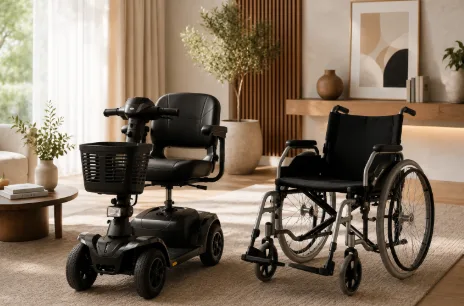
Not every mobility need is permanent. Sometimes it’s a broken ankle that’ll heal in six weeks, an elderly parent visiting for a fortnight, or a family holiday where someone’s usual routine simply won’t hold up over long days of walking. Buying equipment for a short window rarely makes sense and that’s exactly the gap wheelchair hire fills, giving access to the right chair for exactly as long as it’s needed, without the cost or commitment of owning one outright.
The tricky part isn’t finding a hire company. It’s figuring out what actually gets used, because a chair borrowed for two weeks needs to earn its keep every single day, not just look adequate in a catalogue photo.
Working Out What You Actually Need
Short-Term Recovery Situations
For injuries or post-surgery recovery, comfort tends to matter more than features. A basic manual chair with decent cushioning covers most short-term needs, especially if someone else is around to help with pushing. There’s little point paying extra for power assistance if the person will be back on their feet within a month or two and the extra cost buys nothing beyond a shorter learning curve nobody needed.
Ongoing or Longer Visits
When the need stretches beyond a few weeks, small details start mattering more. Seat comfort, brake reliability and how easily the chair folds for storage all become daily concerns rather than minor inconveniences. A hire period of several months is really a trial run for what buying outright might eventually look like, which is worth keeping in mind when weighing up the monthly cost.
Getting the Fit Right, Even Temporarily
Sizing Still Matters
Just because a chair is temporary doesn’t mean fit becomes optional. A hired chair that’s too wide or too narrow causes the same posture and pressure issues as one bought outright, just over a shorter window. Most hire companies will ask for basic measurements before delivery and it’s worth taking that step seriously rather than guessing and hoping it works out.
Matching the Chair to the Environment
Home layouts vary enormously and a chair that suits a spacious ground-floor unit might struggle in a narrow older home with tight hallways. Mentioning the layout upfront, doorway widths, whether there are steps, saves a lot of back-and-forth once the chair actually arrives and turns out to be the wrong shape for the space.
Getting Around Beyond the House
A wheelchair solves movement indoors and on local footpaths, but travel further afield brings a different problem entirely. Regular cars, even larger ones, rarely accommodate a wheelchair and its user comfortably, especially for anything beyond a short trip to a nearby appointment.
When Transport Becomes the Real Challenge
This is where things get overlooked most often. Families arrange a hire chair without thinking through how that person actually gets from home to wherever they’re going, and end up improvising with a car boot that’s too small or a back seat transfer that’s genuinely difficult for everyone involved, usually discovered the hard way on the first outing.
Planning the Whole Journey, Not Just the Chair
Booking both the chair and transport together tends to work out smoother than treating them as separate problems. That’s exactly the situation wheelchair accessible car hire is designed for: a vehicle built around the chair rather than forcing the chair to somehow fit around a standard car. Ramps, secured wheelchair positions, and enough interior space remove a stress that otherwise shows up at the worst possible moment, usually right as everyone’s trying to leave for the day.
Questions Worth Asking Before Booking
Delivery and pickup logistics catch people out more than almost anything else. Some companies deliver to the door, others expect collection from a depot and that difference matters a lot if mobility is already limited and a depot run isn’t realistic.
It’s also worth asking what happens if the chair needs adjusting mid-hire, whether that’s a size issue, a mechanical fault, or simply a feature that isn’t working the way it should. A company that handles this quickly saves what could otherwise become a genuinely frustrating week, especially if the hire period is short to begin with.
Conclusion
Temporary mobility needs deserve the same care as permanent ones, even if the timeline is shorter. The goal isn’t just finding a chair that technically works, it’s finding one that actually gets used, paired with transport that doesn’t turn every outing into a logistics problem.
Think through the full picture before booking anything: how long the need will last, what the home layout demands and how the person will actually travel beyond it. Get those pieces right together and the whole experience feels far less like managing equipment and more like simply getting on with life.