Managing Trauma Cleanup Safely and Responsibly
Key Takeaways
- Biohazard exposure at trauma scenes can transmit serious infectious diseases.
- Relying on trained cleaning professionals is essential for comprehensive, safe cleanup.
- Systematic processes reduce cross-contamination and ensure thorough restoration.
- Compliance with legal and safety standards is non-negotiable in trauma cleanup.
- Respect for those affected is paramount throughout the remediation process.
Dealing with the aftermath of a traumatic event requires a professional and methodical approach to reduce health risks and emotional distress. Whether it is an accident, unattended death, or crime scene, the process should be handled with sensitivity, technical expertise, and careful adherence to established safety protocols. Those facing the ordeal of cleaning up a dead body often find the task overwhelming, both due to the hazards involved and the emotional weight of the situation. For families, property managers, and business owners, knowing what steps to take makes a significant difference in the restoration process.
Trauma cleanup is not only about removing visible traces of an event. It also involves addressing invisible health hazards, such as bloodborne pathogens and other biohazards, which pose significant risks if mishandled. The need to return a scene to a safe, habitable state is combined with the obligation to respect privacy and emotional recovery. Professional trauma cleanup services offer peace of mind by delivering thorough, regulation-compliant remediation when it is needed most.
For those considering tackling trauma cleanup themselves, it is important to understand the high risk of exposure to hazardous materials. Even brief contact with bodily fluids or contaminated surfaces can lead to serious health problems. This is why engaging qualified professionals is widely recommended, as they possess the equipment, knowledge, and procedures to eliminate hazards and restore affected areas.
Restoring property and safety after traumatic incidents demands a strict, step-by-step approach to contamination, decontamination, and verification. In many cases, property owners and loved ones lack the training to address the full extent of biohazards left behind. This not only leaves behind dangerous pathogens, but it can also hinder emotional healing.
For broader situations that require biohazard cleanup beyond trauma or death scenes, many companies specialize in the safe removal of various hazardous materials and offer discreet, efficient support for both individuals and businesses.
Understanding the Health Risks of Biohazard Exposure
Cleanup involving blood, tissue, or bodily fluids is dangerous due to the risk of exposure to bloodborne pathogens like HIV, hepatitis B, and hepatitis C. The Centers for Disease Control and Prevention warns that even dried blood can harbor infectious diseases, some of which can survive outside the body for days or even weeks. Fungi, bacteria, and viruses may be present at the site, posing significant health threats if inhaled, touched, or accidentally transferred. Personal protective equipment (PPE) and regulated disposal of contaminated materials are critical for preventing transmission.
The Importance of Professional Trauma Cleanup Services
Attempting trauma cleanup without professional support is strongly discouraged due to the risks involved and the complexity of decontaminating affected areas. Certified trauma cleanup teams use industrial-strength disinfectants, specialized tools, and adhere to protocols established by organizations such as OSHA for cleaning up infectious materials. This process helps avoid additional trauma, minimize exposure, and prevent the spread of hazardous substances. Companies also help clients understand insurance claims and regulatory requirements, further reducing stress during difficult times.
Steps Involved in the Trauma Cleanup Process
- Assessment and Planning: A professional team evaluates the scene, identifies contaminants, and documents the work plan needed for thorough remediation.
- Containment: Technicians restrict access to the contaminated area to prevent hazardous materials from spreading into clean areas.
- Removal of Biohazards: All traces of biological material are removed using medical-grade tools and strict containment procedures to ensure nothing is left behind.
- Cleaning and Disinfection: Every affected surface is cleaned multiple times with EPA-registered cleaners to ensure pathogens are eradicated, and no residue remains.
- Deodorization: Professional-grade air scrubbers and deodorizers neutralize persistent odors, restoring the property’s livability.
- Verification: Teams conduct thorough inspections to confirm that the scene is free of contaminants and safe for reentry.
Safety Measures and Equipment
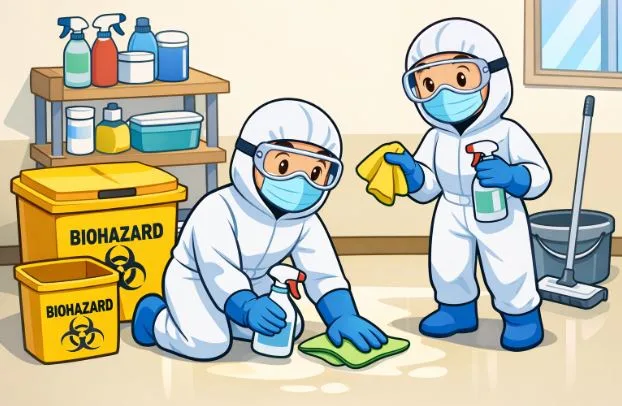
Safety is a foundational concern in trauma scene cleanup. Teams wear comprehensive PPE including gloves, goggles, full-body suits, and respiratory protection to reduce risk. Hospital-grade disinfectants and specialized biohazard containers ensure contaminants are safely neutralized and disposed of in compliance with federal and state regulations. The Occupational Safety and Health Administration (OSHA) specifies standards for workplace safety, which include handling hazardous waste and using proper personal protection. Adhering to these standards helps protect both technicians and the community.
Legal and Ethical Considerations
Trauma and biohazard cleanup must comply with laws on waste handling, transport, and disposal. Companies must also respect families’ confidentiality and emotional needs, shielding them from unnecessary exposure to traumatic scenes. State and federal requirements, such as those from OSHA and the Environmental Protection Agency, dictate strict procedures for proper management of biohazardous waste. Ethical best practices further guide technicians to act with compassion and privacy throughout the process, honoring the dignity of those affected.
Conclusion
Managing trauma cleanup safely and responsibly is vital for ensuring the well-being of everyone involved. Trained professionals bring the skills, equipment, and compassion needed to restore safety and peace of mind following traumatic incidents. By understanding the risks, adhering to appropriate protocols, and meeting all legal requirements, trauma cleanup not only restores spaces to their original state but also helps families and businesses begin healing in a safe environment.