
Marine Grade Aluminum: Alloys, Properties, and Applications
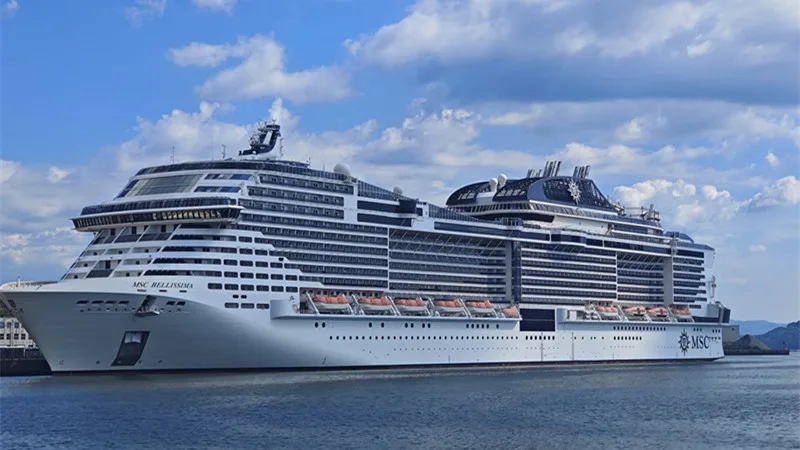
Marine grade aluminum plays a critical role in shipbuilding, offshore engineering, and coastal infrastructure. Compared with standard aluminum alloys, marine grade aluminum is specifically selected to withstand saltwater exposure, humidity, and long-term mechanical stress while maintaining structural integrity and corrosion resistance.
This article explains what marine grade aluminum is, how it differs from regular aluminum, which alloys are commonly used, and how these materials compare with stainless steel in marine environments.
What Is Marine Grade Aluminum?
Marine grade aluminum refers to a group of aluminum alloys designed for prolonged use in marine and offshore environments. These environments are highly corrosive due to the presence of chloride ions, moisture, and oxygen, which can rapidly degrade standard aluminum materials.
In engineering practice, marine grade aluminum primarily consists of 5xxx series aluminum-magnesium (Al-Mg) alloys, known for their excellent resistance to seawater corrosion and strong performance in welded structures. Common marine aluminum alloys include:
5052
5059
5083
5383
5456
These alloys are widely used in ship hulls, decks, offshore platforms, and other load-bearing marine structures.
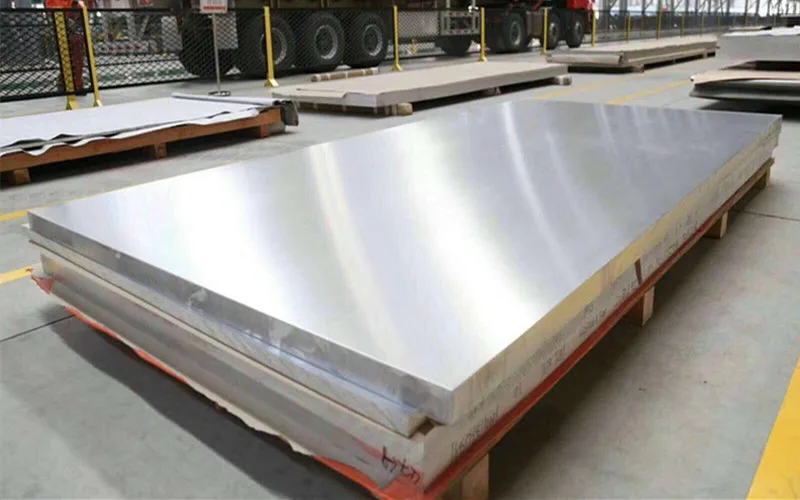
Why Marine Environments Require Specialized Aluminum Alloys
Marine environments impose unique material challenges that differ significantly from inland or industrial settings. Continuous saltwater exposure accelerates corrosion mechanisms such as pitting, crevice corrosion, and galvanic corrosion.
Compared with regular aluminum alloys, marine grade aluminum offers several critical advantages:
- Superior corrosion resistance in seawater, especially without heavy surface coatings
- Stable mechanical properties after welding, essential for large fabricated structures
- High fatigue resistance, suitable for wave-induced cyclic loading
- Long service life, even in harsh offshore conditions
These characteristics make marine grade aluminum fundamentally different from aluminum alloys designed for dry or controlled environments.
Key Marine Grade Aluminum Alloys and Their Applications
Marine aluminum alloys are selected based on strength, corrosion resistance, weldability, and service conditions. Below are the most widely used grades and their typical applications.
5052 Aluminum Alloy
5052 is an Al-Mg alloy offering excellent corrosion resistance, good fatigue strength, and outstanding formability. While not the strongest marine alloy, it is highly versatile and easy to fabricate.
Typical applications include:
- Fuel tanks and marine enclosures
- Superstructures and interior panels
- Walkways, railings, and lightweight marine components
5052 is often chosen for moderate-load marine structures where formability and corrosion resistance are more critical than maximum strength.
5059 Aluminum Alloy
5059 is a high-strength marine aluminum alloy developed for demanding structural applications. Its superior impact resistance and post-weld strength make it suitable for dynamic loading conditions.
Typical applications include:
- Naval and military vessels
- High-speed ferries and patrol boats
- Structural components subjected to shock and vibration
For a detailed overview of high-performance marine aluminum alloys, see
4 Aluminum Alloys Best for Marine Use: 5059, 5083, 5383, 5456 Plate & Sheet.
5083 Aluminum Alloy
5083 is one of the most widely accepted marine grade aluminum alloys in global shipbuilding. It combines excellent seawater corrosion resistance with strong mechanical properties and reliable weldability.
Typical applications include:
- Ship hull plating
- Decks and bulkheads
- Offshore platforms and marine tanks
5083 remains a benchmark alloy for both commercial and offshore marine structures.
5383 Aluminum Alloy
5383 is an advanced Al-Mg alloy developed to improve upon 5083, particularly in welded joint performance and fatigue resistance.
Typical applications include:
- Large welded ship structures
- LNG carriers and passenger vessels
- Offshore modules requiring high weld strength
This alloy is increasingly used in modern shipyards focused on weight reduction and structural efficiency.
5456 Aluminum Alloy
5456 offers high strength and excellent performance in harsh or low-temperature marine environments. It also maintains good resistance to fatigue and impact loading.
Typical applications include:
- Naval vessels
- Ice-class and cold-region ships
- Heavily loaded offshore structures
5456 is commonly specified for military and extreme-environment marine projects.
Is 6061 or 6063 Aluminum Marine Grade?
This is a common question in marine engineering.
Not true marine grade
6061 and 6063 aluminum alloys are not classified as true marine grade aluminum. They do not offer the same level of corrosion resistance in unprotected seawater exposure as 5xxx series alloys.
Commonly used in marine environments
Despite this, both alloys are widely used in marine applications where direct seawater exposure is limited.
Requires protection
To perform reliably in marine environments, 6061 and 6063 typically require anodizing, protective coatings, or electrical isolation from dissimilar metals.
Used for secondary, non-hull structures
- 6061 aluminum: structural frames, equipment supports, offshore mechanical components
- 6063 aluminum: handrails, ladders, architectural extrusions, non-load-bearing profiles
In practice, 5xxx series alloys are used for hulls and primary structures, while 6061 and 6063 are reserved for protected or secondary marine components.
Marine Aluminum vs. Stainless Steel in Saltwater Applications
In marine engineering, aluminum alloys are often compared with stainless steel, particularly for saltwater exposure.
Marine grade aluminum offers major advantages in weight reduction, ease of fabrication, and weldability. Its natural oxide layer provides effective corrosion resistance, making it ideal for hulls, superstructures, and offshore platforms.
Stainless steel, especially grades like 316/316L, provides excellent corrosion resistance and high strength, making it suitable for fasteners, valves, pumps, and marine hardware. However, stainless steel is heavier and often more expensive to fabricate.
A detailed comparison can be found in
Which Is Better for Salt Water: Aluminum Plate or Stainless Steel Plate?
In practice, many marine structures use both materials, selecting each based on performance, cost, and structural requirements.
Conclusion
Marine grade aluminum is not a single alloy, but a carefully selected group of 5xxx series aluminum-magnesium alloys engineered for seawater exposure and welded marine structures. Alloys such as 5052, 5059, 5083, 5383, and 5456 form the backbone of modern shipbuilding and offshore engineering.
By understanding the strengths and limitations of each alloy—and how they compare with materials like stainless steel—engineers can make informed material choices for durable, efficient marine structures.