Marine Insurance Course: Why It Is Essential for a Successful Maritime Career
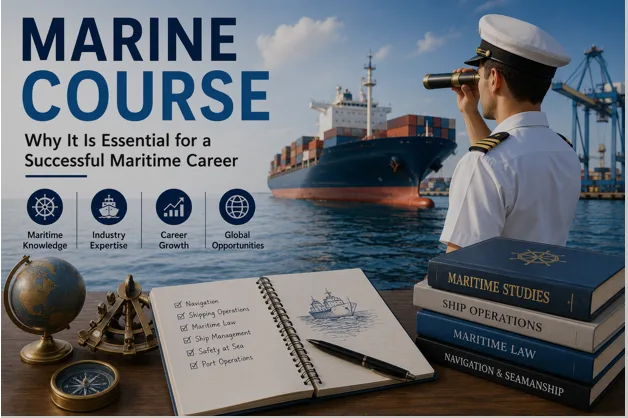
The global shipping industry depends on effective risk management, and that is exactly why a marine insurance course has become an important investment for maritime professionals. Whether you work in shipping, logistics, freight forwarding, or marine operations, understanding how marine insurance works can help you make informed decisions, reduce financial risks, and improve your career prospects.
As international trade continues to expand, employers are looking for professionals who understand not only maritime operations but also the legal and financial responsibilities involved in transporting cargo across the world. A well designed training program provides the knowledge needed to navigate these challenges with confidence.
Why a Marine Insurance Course Matters
Marine insurance is far more than simply protecting cargo against damage. It is a critical part of international trade that helps businesses manage financial exposure when unexpected events occur.
A quality marine insurance course introduces learners to the principles behind marine risk, insurance contracts, claims handling, and international regulations. More importantly, it explains how these concepts apply in real commercial situations.
Professionals with this knowledge are often better equipped to:
- Assess potential shipping risks before they become costly problems.
- Understand policy terms and coverage limitations.
- Communicate effectively with insurers, brokers, and clients.
- Support better decision making within shipping and logistics businesses.
- Reduce disputes during cargo claims.
These practical skills create value for both employees and employers.
What You Will Learn During Marine Insurance Courses
The best marine insurance courses combine theoretical knowledge with practical examples taken from real shipping operations. This approach makes complex insurance concepts easier to understand and apply.
- Understanding Marine Risks
Every shipment carries some level of risk. Weather conditions, handling errors, piracy, collisions, and equipment failures can all result in financial loss.
Learning how these risks are assessed helps professionals choose appropriate insurance solutions and minimize unnecessary exposure.
- Marine Insurance Policies
Participants learn about different types of policies and the situations where each one provides suitable protection.
Topics commonly include:
- Hull insurance.
- Cargo insurance.
- Liability coverage.
- Freight insurance.
- Protection and indemnity insurance.
Understanding the differences between these policies helps professionals recommend suitable coverage based on operational needs.
- Claims Management
Handling insurance claims efficiently can save companies significant amounts of time and money.
Training often covers:
- Documentation requirements.
- Claims investigation.
- Evidence collection.
- Settlement procedures.
- Communication with insurers.
These are practical skills that employers value because mistakes during the claims process can delay compensation and increase costs.
Who Should Take This Course?
Many people believe marine insurance is only relevant for insurance companies. In reality, professionals across the maritime sector benefit from this knowledge.
A marine insurance course is particularly valuable for:
- Shipping company employees.
- Freight forwarders.
- Logistics professionals.
- Port operators.
- Marine surveyors.
- Vessel managers.
- Import and export specialists.
- Maritime law professionals.
Understanding insurance creates stronger communication between operational and commercial teams.
From Real Experience
Having worked alongside shipping companies and maritime professionals, we have seen firsthand how a lack of insurance knowledge can create avoidable problems.
One situation involved a cargo shipment that suffered water damage during transit. The operations team believed the insurance policy would automatically cover every loss. Unfortunately, important documentation had not been completed correctly before shipment, resulting in a lengthy claims process and unexpected financial consequences.
We have also worked with professionals who initially viewed insurance training as a purely administrative subject. After completing practical case studies, they quickly realized how insurance decisions influence contracts, cargo handling, customer relationships, and business profitability.
One lesson has remained consistent throughout our experience. Professionals who understand insurance before problems arise make better decisions than those who try to learn during a claim.
Training providers such as London Maritime Academy recognize this by combining industry knowledge with practical learning that reflects real commercial situations rather than focusing only on theory.
Common Misconceptions About Marine Insurance
Several misunderstandings continue to appear across the maritime industry.
Some people assume every cargo loss is automatically covered. In reality, coverage depends on policy conditions, exclusions, and compliance with contractual requirements.
Others believe insurance knowledge is only useful for managers. However, operational staff also benefit because their daily decisions can directly affect claim outcomes.
Finally, many professionals think completing one course is enough for an entire career. Maritime regulations, international trade practices, and insurance products continue to evolve, making continuous learning an important part of professional development.
Tips for Choosing the Right Training Program
Not every course offers the same level of value. Before enrolling, consider the following factors:
- Choose a provider with experienced maritime instructors.
- Look for practical case studies instead of theory alone.
- Verify that course content reflects current industry practices.
- Check whether the program supports career progression within shipping and logistics.
- Select training that encourages discussion and problem solving through real examples.
A carefully selected course often delivers benefits long after certification has been completed.
Conclusion
Marine insurance plays a vital role in protecting businesses involved in global trade, but understanding insurance is about much more than reducing financial loss. It helps professionals make smarter operational decisions, strengthen customer confidence, and contribute to more efficient maritime operations.
Investing in a high quality marine insurance course is an investment in your long term career. The knowledge gained will support better judgement, stronger professional credibility, and greater confidence when dealing with the challenges of modern shipping. As the maritime industry continues to grow, professionals with a solid understanding of marine insurance will remain valuable assets to employers across the world.