Marshall Freeman Highlights the Growing Importance of Public-Private Partnerships in Urban Safety
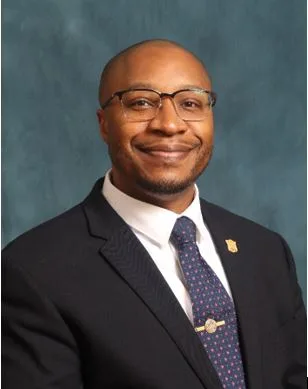
Urban public safety has become increasingly complex over the last decade. Growing populations, evolving infrastructure demands, technological advancement, and rising operational expectations have changed how cities approach public safety planning and organizational coordination. In many metropolitan areas, public agencies are no longer working independently to address these challenges. Instead, collaboration between government institutions, nonprofit organizations, private-sector stakeholders, and community groups has become an important part of long-term urban safety strategies.
Marshall Freeman, Chief Administrative Officer for the Atlanta Police Department, has worked within environments where public-private collaboration plays a significant role in supporting operational effectiveness and public safety initiatives. His professional experience across nonprofit leadership and public administration reflects a broader trend within urban governance where partnerships increasingly contribute to infrastructure development, operational support, and strategic planning.
Public Safety Challenges Require Collaborative Solutions
Modern public safety operations involve far more than emergency response alone. Large law enforcement agencies now manage extensive administrative systems that include communications infrastructure, personnel coordination, technology oversight, training operations, budgeting, and organizational planning.
As cities continue growing, many agencies are looking beyond traditional internal structures to identify ways of strengthening operational capacity and improving coordination across sectors.
Public-private partnerships can help support:
- Technology modernization initiatives
- Infrastructure planning and development
- Community engagement efforts
- Workforce support programs
- Strategic research and planning
- Resource development and operational coordination
Industry experts increasingly view these partnerships as practical tools for addressing operational complexity while improving long-term organizational sustainability.
The Role of Nonprofit Organizations in Urban Safety
Nonprofit organizations have become increasingly involved in supporting public safety initiatives in major cities across the United States. These organizations often contribute through fundraising efforts, operational support programs, strategic research, and collaboration with civic leaders and public agencies.
Before joining APD in 2023, Freeman served nearly seven years as Chief Operating Officer of the Atlanta Police Foundation, a nationally recognized nonprofit organization focused on supporting public safety programs and infrastructure initiatives throughout Atlanta.
During his tenure, the organization contributed to major fundraising and operational support efforts connected to public safety projects in the city. That experience provided insight into how nonprofit and civic collaboration can support long-term organizational planning and resource development within public-sector environments.
According to Freeman, effective partnerships are often built through long-term coordination and clearly defined operational goals.
“Public-private partnerships are most effective when organizations share a common focus on long-term community and operational outcomes,” Marshall Freeman said. “Collaboration works best when each group understands its role and contributes in a way that supports broader organizational objectives.”
Technology Is Expanding Cross-Sector Collaboration
Technology modernization has become one of the strongest drivers behind public-private collaboration within public safety. Law enforcement agencies increasingly work alongside private-sector providers, consultants, and nonprofit organizations to support communications systems, infrastructure upgrades, operational analytics, and workforce development initiatives.
As operational demands continue evolving, administrative leaders are often responsible for evaluating how partnerships can support modernization efforts while maintaining organizational efficiency.
Freeman currently oversees several administrative and support functions within APD, including technology, human resources, finance, administration, training, and emergency communications operations. These areas continue to become more interconnected as agencies modernize internal systems and operational infrastructure.
Industry analysts note that technology integration within public safety requires careful planning, coordination, and long-term operational oversight, particularly within large metropolitan agencies.
Relationship Management Has Become a Core Leadership Skill
As organizations become more interconnected, leadership increasingly depends on communication and relationship management across multiple sectors. Public-private partnerships often involve coordination between government agencies, nonprofit organizations, business leaders, and community stakeholders—all operating with different priorities and operational structures.
Freeman’s broader professional background includes experience in entertainment management, where coordination and stakeholder communication are also essential. Before transitioning into nonprofit and public-sector leadership, he worked as a choreographer, performance coach, creative director, promoter representative, and talent manager.
His experience included collaborations with Aretha Franklin, Joan Rivers, The Beach Boys, and Candice Glover, as well as involvement in large-scale events connected to the NFL, NBA, and MTV.
While entertainment and public safety operate in different environments, both industries rely heavily on communication, coordination, operational planning, and team management.
Public-Private Collaboration Will Continue Evolving
Public-private partnerships are expected to remain an important part of urban safety planning as cities continue adapting to operational growth and technological change. Industry experts anticipate continued collaboration in areas such as infrastructure modernization, emergency preparedness, communications systems, and organizational development.
Operational leaders working within these environments increasingly require expertise in:
- Strategic planning
- Organizational operations
- Stakeholder engagement
- Technology coordination
- Resource development
- Public-private partnerships
- Community relations
- Administrative leadership
Marshall Freeman’s professional experience reflects the growing role of collaborative leadership within modern public safety administration. As urban environments continue evolving, cross-sector coordination and long-term operational planning will likely remain central to how cities strengthen public safety systems and organizational resilience.