Maximize Postpartum Support
The postpartum period represents one of the most transformative yet challenging phases in a woman’s life. While much attention focuses on pregnancy and childbirth, the weeks and months following delivery demand equal care and consideration. New mothers navigate a complex landscape of physical healing, hormonal shifts, sleep deprivation, and the demands of caring for a newborn. Without proper support and recovery strategies, this transition can become overwhelming, potentially affecting both maternal health and the ability to bond with and care for the baby.
Establishing a solid foundation of postpartum support isn’t merely about comfort—it’s essential for long-term health outcomes. Research consistently shows that mothers who receive adequate postpartum care experience faster recovery, lower rates of complications, and reduced risk of postpartum depression. Yet many new mothers feel unprepared for the realities of this period, unsure of what constitutes normal recovery or when to seek help. Understanding the critical components of postpartum care and having access to reliable recovery solutions empowers mothers to heal properly, maintain their well-being, and embrace their new role with confidence and resilience.
Understanding Postpartum Care
Postpartum care encompasses the comprehensive support and medical attention a mother receives during the first six to eight weeks after childbirth, though the recovery journey often extends well beyond this timeframe. This critical period involves monitoring physical healing from delivery, whether vaginal or cesarean, managing hormonal fluctuations that affect mood and bodily functions, and establishing feeding routines while adapting to the demands of newborn care. Healthcare professionals play an indispensable role during this transition, conducting postpartum checkups to assess wound healing, uterine contraction, and any complications such as excessive bleeding or infection. They provide guidance on recognizing warning signs that require immediate attention, including severe abdominal pain, fever, or symptoms of postpartum depression. Beyond medical monitoring, practitioners offer evidence-based advice on nutrition to support healing and milk production, safe exercise progression to rebuild core strength, and strategies for managing the sleep deprivation that accompanies round-the-clock infant care. The foundation of effective postpartum care rests on three interconnected pillars: physical recovery that allows the body to heal from the trauma of childbirth, emotional support that validates the psychological challenges of new motherhood, and nutritional replenishment that provides the energy and nutrients necessary for healing and, if breastfeeding, milk production. When these elements work in harmony, supported by knowledgeable healthcare providers and a responsive care team, mothers can navigate the postpartum period with greater confidence and reduced risk of complications.
Physical Recovery
The body undergoes remarkable changes during the postpartum period as it works to return to its pre-pregnancy state, a process that demands intentional rest and self-care. Adequate sleep, though challenging with a newborn, remains crucial for tissue repair and immune function—mothers should sleep whenever the baby sleeps rather than using that time for household tasks. Hydration accelerates healing, helps prevent constipation (a common postpartum concern), and supports milk production for breastfeeding mothers; keeping a water bottle within reach during feeding sessions ensures consistent fluid intake. Nutrition plays an equally vital role, with emphasis on protein-rich foods that rebuild tissue, iron to replenish blood loss during delivery, and fiber to support digestive health. Supportive pillows designed for postpartum use can alleviate pressure on healing perineal tears or cesarean incisions while sitting or lying down, making feeding and rest more comfortable. Gentle recovery exercises, beginning with pelvic floor contractions and progressing to light walking as approved by healthcare providers, help restore muscle tone without overtaxing the healing body. Stress management deserves attention as well, since elevated cortisol levels can slow healing and suppress immune function—even brief moments of deep breathing or meditation contribute to physical recovery by reducing inflammatory responses in the body.
Emotional Support
The emotional landscape of early motherhood proves as demanding as the physical challenges, with hormonal shifts creating vulnerability to mood swings, anxiety, and in some cases, postpartum depression or anxiety disorders. The dramatic drop in pregnancy hormones within the first week after delivery, combined with sleep deprivation and the weight of new responsibilities, can leave mothers feeling overwhelmed, tearful, or disconnected from the joy they expected to feel. These experiences, while common, require acknowledgment and support rather than dismissal as simply “baby blues” that will pass on their own. A robust support network becomes essential during this vulnerable period—partners who actively share nighttime care and household responsibilities provide not just practical help but emotional validation that the mother isn’t alone in this transition. Family members and friends who offer specific assistance, such as preparing meals, running errands, or holding the baby while the mother showers or naps, deliver tangible relief that reduces stress and creates space for emotional recovery. Professional support through postpartum support groups, whether in-person or online, connects new mothers with others navigating similar challenges, normalizing their experiences and reducing feelings of isolation. Partners, family, and friends serve their most important role by listening without judgment, recognizing warning signs of postpartum mood disorders, and encouraging mothers to seek professional help when emotional struggles persist beyond the first two weeks or intensify over time. Creating an environment where mothers feel safe expressing doubts, fears, and negative feelings without shame allows for earlier intervention and better outcomes for both maternal mental health and infant bonding.
Recovery Essentials
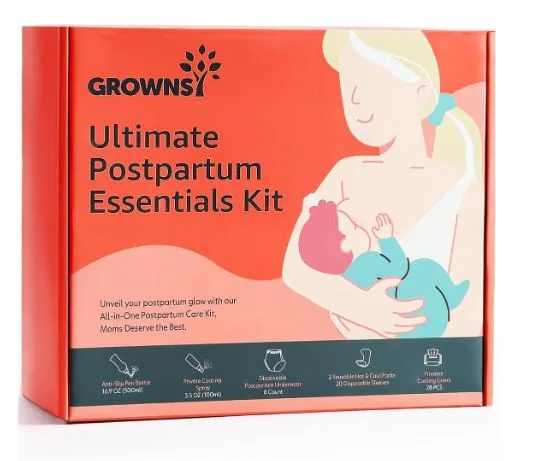
Building a thoughtfully curated postpartum care kit before delivery ensures that essential recovery items are readily available when mothers need them most, eliminating the stress of last-minute shopping during those exhausting early weeks. The foundation of any effective kit includes soothing pads specifically designed for postpartum use, which provide cooling relief to swollen, tender perineal tissue while promoting circulation to accelerate healing. Healing products such as gentle cleansing sprays, soothing balms containing natural anti-inflammatory ingredients, and over-the-counter pain relievers approved by healthcare providers address both the discomfort of physical recovery and the practical challenges of postpartum hygiene. Comfortable clothing designed for the postpartum body—high-waisted underwear that doesn’t press on cesarean incisions, nursing-friendly tops with easy access, and soft, breathable fabrics that accommodate fluctuating body temperatures—transforms daily dressing from a painful ordeal into a manageable routine. Beyond physical comfort, these recovery essentials contribute significantly to emotional well-being by restoring a sense of control and self-care during a period when mothers often feel their needs come last. When mothers can address their physical discomfort promptly and effectively, they experience less stress, sleep more soundly during precious rest opportunities, and feel more capable of meeting their infant’s demands. The investment in quality recovery essentials pays dividends not just in physical healing but in preserving the mental energy and emotional resilience that new mothers desperately need as they navigate the intense demands of early parenthood.
Soothing Pads
Soothing pads represent one of the most valuable yet often overlooked components of postpartum recovery, offering immediate relief from the swelling, bruising, and discomfort that follow vaginal delivery. Medical-grade cooling pads designed specifically for perineal use combine the therapeutic benefits of cold therapy with gentle cushioning that reduces pressure on traumatized tissue. These pads work by constricting blood vessels to minimize swelling, numbing nerve endings to reduce pain perception, and creating a barrier between sensitive skin and irritating surfaces like underwear or toilet seats. Reusable gel pads that can be chilled in the refrigerator provide an economical and environmentally conscious option—they conform to the body’s contours, maintain therapeutic cold temperatures for extended periods, and can be washed and rechilled for repeated use throughout the recovery period. Disposable cooling pads offer convenience for mothers who lack the energy for washing or need portable relief when away from home, though they typically provide shorter-duration cooling compared to gel alternatives. Witch hazel pads, whether used alone or layered with cooling pads, deliver additional benefits through their natural astringent properties that reduce inflammation and promote tissue repair while providing a soothing sensation that many mothers find more comfortable than ice alone. The optimal approach involves alternating between cold therapy immediately after delivery and room-temperature witch hazel pads as healing progresses, transitioning away from intense cooling once the initial swelling subsides. Proper use requires changing pads every few hours to maintain hygiene and therapeutic effectiveness, always washing hands before application, and positioning pads to cover the entire affected area without creating pressure points. Mothers should begin using soothing pads immediately after delivery and continue for as long as they provide relief, typically one to three weeks for uncomplicated vaginal births, though those with extensive tearing or episiotomies may benefit from longer use under healthcare provider guidance.
Healing Products
Strategic selection of healing products accelerates postpartum recovery by addressing the specific challenges of perineal wounds, cesarean incisions, and the general tissue trauma that accompanies childbirth. Peri bottles—squeeze bottles designed to spray warm water during and after urination—transform an otherwise painful necessity into a tolerable experience by diluting urine to reduce stinging and gently cleansing without the abrasive contact of toilet paper. Many mother and infant brands like Grownsy offer comprehensive postpartum care kits that include peri bottles alongside other essential healing items, making it easier for expectant mothers to prepare in advance. Soothing balms containing ingredients like calendula, which possesses documented anti-inflammatory and wound-healing properties, or coconut oil with its antimicrobial benefits, create protective barriers over healing tissue while delivering moisture that prevents the painful cracking of dry, damaged skin. Pain relievers serve dual purposes in postpartum recovery: over-the-counter options like ibuprofen reduce inflammation while managing discomfort, and healthcare providers may prescribe stronger medications for mothers recovering from cesarean sections or significant tearing. Gentle cleansing agents formulated without harsh fragrances or irritating chemicals maintain hygiene without disrupting the delicate pH balance or stripping natural protective oils from healing tissue—unscented, hypoallergenic options prove safest for postpartum use. Stool softeners, though often overlooked in recovery discussions, prevent the straining that can reopen perineal wounds or stress healing cesarean incisions, making them essential rather than optional for most postpartum mothers. Application timing matters significantly: cleansing with peri bottles should occur after every bathroom visit, soothing balms work best when applied to clean, dry skin after cleansing, and pain relievers achieve optimal effectiveness when taken on a regular schedule rather than waiting until discomfort becomes severe. Mothers should consult healthcare providers before using any healing products, particularly if breastfeeding, to ensure ingredients are safe and won’t interfere with milk production or transfer to the infant through breast milk.
Practical Tips for Postpartum Care
Navigating the postpartum period successfully requires more than just medical care and recovery products—it demands intentional daily practices that prioritize maternal well-being alongside infant care. Establishing a realistic self-care routine begins with releasing perfectionist expectations and accepting that “good enough” truly is sufficient during these demanding weeks. Simple practices like washing your face, brushing your teeth, and changing into fresh clothes each morning create psychological markers that separate day from night and preserve a sense of normalcy amid chaos. Managing stress becomes essential when sleep deprivation and constant demands threaten to overwhelm coping mechanisms—even five minutes of deep breathing exercises, stretching, or stepping outside for fresh air can reset the nervous system and restore perspective. Maintaining a healthy lifestyle doesn’t require elaborate meal preparation or structured exercise programs; instead, focus on keeping nutritious snacks within easy reach, accepting prepared meals from supportive friends and family, and taking short walks with the baby once cleared by your healthcare provider. The practice of asking for and accepting help transforms from optional courtesy to survival strategy—create a specific list of tasks others can handle, from grocery shopping to holding the baby during your shower, so helpers know exactly how to contribute meaningfully. Protect your recovery by learning to say no to visitors when you’re exhausted, limiting social media comparisons that fuel inadequacy, and trusting your instincts about what your body and mind need each day. Remember that investing time in your own recovery isn’t selfish—it’s the foundation that enables you to provide consistent, loving care for your baby throughout the months and years ahead.
Prioritizing Your Postpartum Recovery
The postpartum period demands intentional care, comprehensive support, and access to effective recovery tools that address both physical healing and emotional well-being. From understanding the essential components of postpartum care to assembling recovery essentials like soothing pads and healing products, mothers who prepare for this transition position themselves for healthier outcomes and greater confidence during those challenging early weeks. The practical strategies outlined—establishing realistic self-care routines, building supportive networks, and prioritizing rest and nutrition—transform abstract advice into actionable steps that make tangible differences in daily life.
Healthcare professionals must recognize their critical role in educating expectant mothers about postpartum realities and ensuring continuity of care extends well beyond the delivery room. New mothers deserve permission to prioritize their own recovery without guilt, understanding that their health directly impacts their capacity to care for their newborns. By normalizing conversations about postpartum challenges, investing in quality recovery products, and creating communities of support, we can transform the postpartum experience from a period of isolated struggle into an opportunity for healing, growth, and empowered motherhood. The journey through postpartum recovery shapes not just the immediate weeks after birth but establishes patterns of self-care and resilience that benefit mothers and families for years to come.