Maximizing Home Heating Efficiency: The Role of Routine Chimney Maintenance
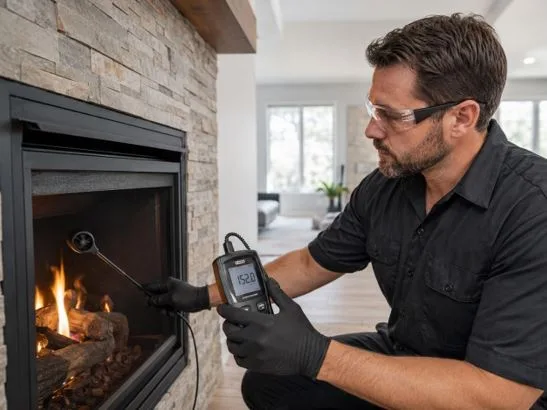
Heating a residential property accounts for a significant portion of a homeowner’s annual utility expenses. As global energy costs continue to fluctuate, property owners are increasingly searching for reliable ways to optimize their home infrastructure. While upgrading attic insulation and replacing outdated HVAC units are common and effective strategies, the fireplace and its exhaust system are frequently overlooked during energy audits. An unmaintained chimney can act as a massive thermal drain, constantly pulling conditioned air out of the living space and wasting the fuel burned within the hearth.
Understanding the thermodynamics of a fireplace is the first step in stopping this energy loss. A chimney is designed to create a draft, which is an upward flow of air that carries smoke and toxic gases out of the house. However, when the system is not operating at peak efficiency, this draft works against the homeowner. By addressing the structural and mechanical factors that influence airflow, residents can transform their fireplace from a source of drafty heat loss into a highly efficient supplemental heating system.
The Thermodynamics of Residential Drafting
To optimize a fireplace, one must first understand how it moves air. The concept of drafting relies on the temperature differential between the hot air inside the flue and the cold air outside. Hot air naturally rises, creating a vacuum that pulls fresh oxygen from the room into the firebox to feed the flames. While this process is necessary for combustion, a poorly regulated draft will pull far more room air than is required.
In older or neglected systems, the volume of warm indoor air escaping up the chimney can actually cool the rest of the house. The central heating system must then work twice as hard to replace the lost warmth. Ensuring that the flue is properly sized for the appliance it serves is critical. If a modern, highly efficient wood stove is vented through a massive, unlined masonry chimney, the exhaust gases will cool too quickly, killing the draft and severely reducing the heat output of the stove.
How Creosote Impacts Heat Transfer
When wood burns, it releases particulate matter and gases that eventually cool and condense on the interior walls of the chimney. This substance, known as creosote, is widely recognized as a severe fire hazard. However, it also acts as an unwanted thermal insulator inside the exhaust path. As the layer of creosote thickens, it prevents the masonry or the metal flue liner from absorbing and radiating heat efficiently.
A clean flue allows the structural materials of the chimney to warm up faster, which in turn strengthens the upward draft. A strong, consistent draft ensures that the fire burns hotter and cleaner, extracting the maximum amount of thermal energy from every log. Removing these stubborn creosote deposits requires specialized rotary equipment that can scrub the internal walls without damaging the underlying structural liner.
Upgrading the Damper System for Better Insulation
The damper is the mechanical valve that opens and closes the exhaust path. Traditional throat dampers are located just above the firebox and are made of cast iron. Over years of exposure to intense heat and winter moisture, these metal plates warp, rust, and lose their ability to form a tight seal. A warped throat damper is essentially an open window in your living room, allowing cold winter air to pour down the chimney when the fireplace is not in use.
Modernizing this component is one of the most effective energy upgrades a homeowner can make. Top-sealing dampers are installed at the very peak of the chimney stack and utilize a rubberized gasket to completely seal the top of the flue. Investing in professional chimney services to install a top-sealing damper traps the warm air inside the home and prevents freezing drafts from descending into the living space. This single upgrade can noticeably reduce monthly heating bills during the coldest months of the year.
Identifying Hidden Air Leaks in the Masonry
While the damper controls the primary flow of air, the masonry itself can be a source of subtle, continuous heat loss. Brick and mortar are porous materials that naturally expand and contract with seasonal temperature changes. Over decades of use, the mortar joints binding the bricks together can deteriorate and crumble, leaving microscopic gaps in the structure.
These gaps allow cold outside air to infiltrate the chimney cavity, rapidly cooling the flue and weakening the draft. Furthermore, damaged masonry can allow moisture into the walls, which destroys the surrounding insulation in the home. Scheduling a comprehensive chimney inspection utilizing high-definition internal cameras can pinpoint these fractures before they compromise the thermal envelope of the property. Sealing these gaps restores the structural integrity of the stack and stops energy-draining air leaks.
The Role of External Waterproofing in Heat Retention
It may seem counterintuitive, but keeping the outside of your chimney dry directly impacts how warm the inside of your home stays. When exterior bricks absorb rainwater or melting snow, the moisture penetrates deep into the masonry. If the chimney is saturated with cold water, a massive amount of the fire’s energy is wasted simply trying to evaporate that moisture before the heat can actually radiate into the room.
Applying a professional-grade, vapor-permeable water repellent to the exterior brickwork stops this absorption cycle. By keeping the masonry dry, the chimney heats up much faster when a fire is lit, resulting in a more efficient burn and a stronger draft. This protective treatment not only improves thermal performance but also prevents the devastating structural damage caused when trapped water freezes and expands inside the bricks.
Sustainable Heating for the Modern Home
Maximizing the efficiency of a residential fireplace requires a holistic approach to home maintenance. It is not enough to simply sweep away the soot; homeowners must evaluate the entire system as a critical component of their property’s thermal envelope. From sealing hidden masonry leaks to upgrading outdated mechanical dampers, every improvement contributes to a warmer, more sustainable living environment.
By treating the chimney with the same level of care as the central HVAC system, property owners can significantly reduce their reliance on fossil fuels and lower their overall energy consumption. Routine professional maintenance ensures that the fireplace operates at peak performance, providing safe, reliable, and highly efficient warmth for the entire family.