Maximizing Solar Efficiency with Advanced Inverter Technologies
Introduction
The global focus on sustainable living has brought solar energy into everyday conversations, not only among industry professionals but also within households and small businesses. As energy costs rise and environmental concerns become more pressing, solar power is increasingly viewed as a practical and responsible solution. However, the effectiveness of a solar system depends on more than just installing panels. The technology that manages and converts energy plays a central role in determining how efficiently that energy is used.
Inverter technology has become one of the most important components in modern solar systems. It ensures that the electricity generated by solar panels can be used effectively in homes and workplaces. Over time, advancements in inverter design have significantly improved how solar energy systems perform under different conditions. These improvements allow users to generate more power, reduce energy waste, and maintain consistent performance even when environmental factors vary.
As the demand for reliable solar solutions grows, users are paying closer attention to how inverters influence overall system efficiency. A well-designed inverter not only converts energy but also enhances system stability, monitors performance, and supports integration with other components such as batteries. These capabilities make it possible to create energy systems that are both efficient and adaptable.
This article explores how advanced inverter technologies contribute to maximizing solar efficiency. It examines key factors that influence system performance and highlights the role of modern solutions in improving energy output, reliability, and long-term value.
What Makes Solar Energy Systems Efficient?
Solar energy system efficiency depends on several interconnected factors that work together to determine how much usable electricity is produced. One of the most obvious elements is sunlight exposure. The amount and intensity of sunlight directly influence how much energy solar panels can generate. Locations with consistent sunlight tend to produce higher energy output, but even in less ideal conditions, proper system design can help maintain efficiency.
The quality of solar panels also plays a significant role. High-quality panels are designed to capture and convert sunlight more effectively, which results in better overall performance. Materials, manufacturing standards, and panel technology all contribute to how efficiently energy is generated. Choosing reliable components ensures that the system operates at its full potential over time.
Inverter performance is another critical factor. Even if panels generate a high amount of energy, inefficient conversion can lead to losses. A well-designed inverter, such as a Hybrid Inverter, minimizes these losses and ensures that the maximum amount of generated energy is available for use. It also helps regulate voltage and maintain system stability, which is essential for consistent performance.
System design ties all these elements together. Proper placement of panels, correct sizing of components, and thoughtful integration of technologies can significantly improve efficiency. Factors such as shading, panel orientation, and wiring configurations must be carefully considered during installation.
By understanding how these elements interact, users can make informed decisions when designing or upgrading solar systems. Efficiency is not determined by a single component but by the combined performance of all parts working together in a balanced and optimized manner.
Introduction to MPPT Technology in Solar Inverters
Maximum Power Point Tracking, commonly known as MPPT, is a key feature in modern solar inverter technology. It is designed to ensure that solar panels operate at their optimal power output regardless of changing environmental conditions. Since sunlight intensity and temperature can vary throughout the day, the amount of energy produced by solar panels is not constant. MPPT technology continuously adjusts system parameters to extract the highest possible power at any given moment.
An MPPT Solar Inverter works by identifying the ideal operating point where the panel generates maximum power. It then adjusts the electrical characteristics of the system to maintain this point as conditions change. This process happens automatically and in real time, allowing the system to adapt without manual intervention. As a result, energy losses are minimized and overall efficiency is improved.
This technology is particularly useful in regions where weather conditions fluctuate frequently. Changes in cloud cover, temperature, or shading can affect energy production. MPPT systems respond to these variations by optimizing performance, ensuring that the system continues to operate efficiently even when conditions are less than ideal.
In addition to improving energy output, MPPT technology also contributes to system stability. By maintaining optimal operating conditions, it reduces stress on system components and helps extend their lifespan. This makes it a valuable feature for both residential and commercial solar installations.
Understanding how MPPT works allows users to appreciate its impact on solar efficiency. It represents a significant advancement in inverter technology, enabling solar systems to perform more effectively across a wide range of environmental conditions.
Advantages of Using MPPT-Based Inverter Systems
MPPT-based inverter systems have become an important part of modern solar installations due to their ability to improve performance under changing conditions. These systems are designed to ensure that solar panels operate at their most efficient point throughout the day. By continuously adjusting to environmental changes, they help maximize energy output without requiring additional resources. This makes them especially valuable for users who want to get the most from their solar investment. Understanding their advantages provides a clearer view of how they enhance overall system efficiency.
- Improved Energy Efficiency: An MPPT Solar Inverter continuously adjusts voltage and current to match the optimal operating conditions of solar panels. This allows the system to extract more energy compared to traditional inverters with fixed settings. As a result, users can achieve higher electricity generation without increasing system size.
- Adaptability to Changing Weather Conditions: Solar energy production can vary due to cloud cover, temperature shifts, and partial shading. MPPT systems quickly respond to these changes by recalculating the optimal power point. This ensures that energy production remains as stable and efficient as possible throughout the day.
- Better Performance in Limited Space: In installations where space is limited, maximizing output from existing panels is essential. MPPT technology allows systems to generate more energy without adding extra panels. This makes it a practical solution for residential rooftops and compact commercial setups.
- Enhanced System Reliability: By optimizing energy flow, MPPT-based systems reduce unnecessary strain on components. This helps prevent inefficiencies that could lead to wear or damage over time. As a result, the system operates more smoothly and requires less frequent maintenance.
- Long-Term Cost Benefits: Higher efficiency and reduced maintenance contribute to better financial returns over time. Users can benefit from increased energy savings and lower operational costs. This makes MPPT technology a valuable investment for long-term solar performance.
Overall, MPPT-based inverter systems provide a balanced combination of efficiency, adaptability, and reliability. Their ability to respond to environmental changes ensures consistent energy production in various conditions. These systems also help maximize output without increasing installation size or complexity. Over time, this leads to improved system performance and reduced operational concerns. For anyone aiming to optimize solar energy usage, MPPT technology offers a practical and effective solution.
The Role of Inverter Efficiency in Energy Savings
Inverter efficiency plays a crucial role in determining how much solar energy can be effectively used in a system. While solar panels generate electricity, part of that energy can be lost during the conversion process if the inverter is not efficient. A high-performing inverter helps reduce these losses and ensures more usable power reaches appliances or the grid. Over time, this directly impacts both energy output and cost savings. Understanding the importance of inverter efficiency helps users make better decisions when selecting solar equipment.
- Maximizing Energy Conversion: High-efficiency inverters convert a larger portion of direct current into usable alternating current. This reduces energy loss during the conversion process and improves overall system output. Even small improvements in efficiency can lead to noticeable gains over time.
- Consistent System Performance: A reliable inverter maintains stable output despite changes in sunlight or temperature. This consistency ensures that the solar system continues to operate effectively throughout the day. Stable performance is especially important for users who depend heavily on solar energy.
- Reduction of Energy Waste: Inefficient inverters can result in a portion of generated energy being lost. By using a high-quality inverter, users can minimize these losses and make better use of available power. This leads to improved system efficiency and reduced reliance on external electricity sources.
- Lower Electricity Costs: Better energy conversion means more usable power, which reduces the need to draw electricity from the grid. Over time, this leads to lower energy bills for both households and businesses. Consistent savings contribute to the overall value of the solar system.
- Improved Return on Investment: Higher efficiency and stable performance enhance the long-term financial benefits of solar installations. Reduced operational costs and increased energy output contribute to faster cost recovery. This makes inverter efficiency a key factor in achieving strong returns.
Focusing on inverter efficiency allows users to maximize both energy output and financial savings. Each improvement in performance contributes to better system reliability and reduced waste. Over time, these benefits add up, making solar systems more cost-effective and sustainable. Choosing the right inverter ensures that the energy produced is used to its fullest potential. This approach supports long-term efficiency and smarter energy management.
Why Bulk Procurement is Growing in the Solar Industry
The solar industry has expanded rapidly as demand for renewable energy continues to rise across residential, commercial, and industrial sectors. With this growth, procurement strategies have also evolved to support large-scale installations and ongoing project development. Bulk purchasing has become a practical solution for businesses seeking to manage costs and maintain consistent supply chains.
One of the primary reasons for this trend is the increasing scale of solar projects. Contractors and developers often handle multiple installations at the same time, which requires a steady flow of components such as inverters, panels, and storage systems. Procuring equipment in larger quantities helps ensure that projects can proceed without delays caused by supply shortages. It also simplifies inventory management by reducing the need for frequent reordering.
Cost efficiency is another major factor driving bulk procurement. Purchasing through solar inverter wholesale channels allows businesses to access more competitive pricing compared to smaller orders. Lower per-unit costs can significantly improve project margins and enable companies to offer more attractive pricing to their clients. Over time, these savings contribute to stronger financial performance.
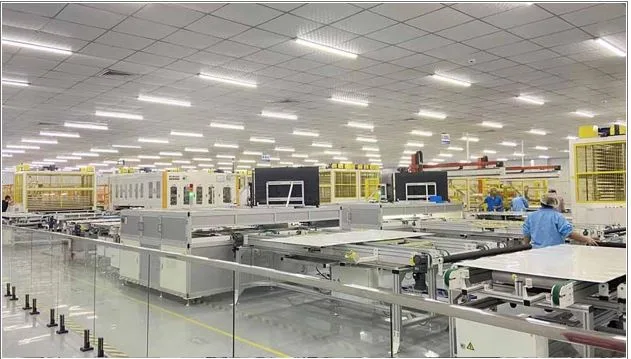
Manufacturers with well-established production capabilities play an important role in supporting this demand. Some companies operate through multiple specialized divisions, including e-commerce units, optoelectronics manufacturing, and solar energy development. With production facilities covering thousands of square meters and research teams made up of skilled professionals, they focus on continuous product improvement. Their portfolios often include inverters, battery storage systems, solar panels, and lighting solutions designed for a wide range of applications.
These manufacturers typically supply products to customers in numerous countries and regions, ensuring compliance with international standards such as ISO, CE, and RoHS. Their emphasis on innovation, consistent manufacturing quality, and long-term partnerships makes bulk procurement a reliable and efficient approach for growing solar businesses.
Integration of Battery Storage with Modern Inverters
The integration of battery storage with modern inverter systems has transformed how solar energy is used and managed. Traditionally, solar systems relied on immediate consumption or grid export, which limited flexibility. With the addition of battery storage, users can store excess energy generated during the day and use it later when production is low or demand is high.
This capability enhances energy reliability, particularly in areas where power outages are common or grid supply is inconsistent. Stored energy acts as a backup, ensuring that essential appliances and systems continue to operate even when external power sources are unavailable. This added reliability is a key reason why many users are incorporating storage solutions into their solar setups.
Battery integration also improves energy independence. By storing surplus energy, users can reduce their reliance on the grid and make better use of the power they generate. This is especially beneficial for households and businesses looking to manage energy costs more effectively. It allows them to use stored power during peak pricing periods, helping to lower overall electricity expenses.
Modern inverters are designed to support seamless interaction between solar panels, batteries, and the grid. They manage the flow of energy based on real-time conditions, ensuring that power is used or stored efficiently. This level of control enhances system performance and allows users to adapt to changing energy needs.
As solar technology continues to evolve, the combination of inverters and battery storage is expected to play an increasingly important role. It provides a more flexible, reliable, and efficient approach to energy management, making it a valuable addition to modern solar systems.
Smart Monitoring and Digital Control in Inverters
Modern solar inverters are no longer limited to basic energy conversion. They now include advanced monitoring and digital control features that provide users with greater visibility into system performance. These capabilities allow both individuals and businesses to track how much energy is being generated, consumed, and stored at any given time.
Smart monitoring systems typically connect to mobile applications or web-based platforms. Through these interfaces, users can access real-time data and historical performance trends. This information helps identify patterns in energy usage and highlights areas where efficiency can be improved. By understanding how the system performs under different conditions, users can make more informed decisions about energy management.
Digital control features also enable remote system management. In many cases, adjustments can be made without the need for on-site intervention. This is particularly useful for large-scale installations or systems located in remote areas. Technicians can diagnose issues, update settings, and ensure optimal performance from a distance, reducing the need for frequent physical inspections.
Another important advantage is early fault detection. Smart inverters can identify irregularities such as voltage fluctuations, reduced output, or connectivity issues. Alerts are sent to users or service providers, allowing them to address problems before they escalate. This proactive approach helps maintain system efficiency and reduces the risk of unexpected downtime.
As solar energy systems become more integrated with digital technologies, monitoring and control features are becoming essential. They not only improve operational efficiency but also enhance user confidence by providing clear insights into system performance. This level of transparency supports better long-term management of solar investments.
Selecting the Right Inverter for Different Applications
Choosing the right inverter depends largely on the specific requirements of the application. Residential, commercial, and industrial systems each have unique energy demands and operational conditions. Understanding these differences helps ensure that the selected inverter delivers optimal performance and reliability.
In residential settings, simplicity and efficiency are often the primary considerations. Homeowners typically look for inverters that are easy to install, operate quietly, and provide reliable energy conversion. Compact designs with integrated monitoring features are especially popular, as they allow users to track performance without complex setups.
Commercial installations require a more robust approach. Businesses often have higher energy demands and may operate during extended hours. In these cases, inverters must handle larger loads while maintaining consistent performance. Features such as scalability and advanced monitoring become increasingly important, as they support efficient energy management across multiple systems.
Industrial applications present even greater challenges due to their scale and complexity. These systems require high-capacity inverters capable of handling significant power loads. Reliability is critical, as any disruption can impact operations. Industrial users often prioritize durability, advanced safety features, and the ability to integrate with existing infrastructure.
Environmental conditions also play a role in inverter selection. Factors such as temperature, humidity, and dust levels can affect performance. Choosing an inverter designed to withstand specific environmental conditions helps ensure long-term reliability.
By considering the unique needs of each application, users can select inverters that align with their operational goals. This tailored approach leads to better performance, improved efficiency, and greater overall satisfaction with the solar system.
Environmental and Economic Benefits of Efficient Inverter Systems
Efficient inverter systems contribute significantly to both environmental sustainability and long-term economic value. As solar energy adoption increases, the focus has shifted toward optimizing how that energy is used. Inverters play a central role in ensuring that the maximum amount of generated power is converted into usable electricity, which directly impacts overall system effectiveness.
From an environmental perspective, improved inverter efficiency reduces energy waste. When less energy is lost during conversion, fewer resources are required to meet electricity demands. This helps lower reliance on conventional energy sources, which are often associated with higher carbon emissions. As a result, efficient systems support cleaner energy production and contribute to reducing the overall environmental footprint.
Economic benefits are equally important. Higher efficiency means that more of the generated solar energy is available for use, which can significantly lower electricity bills over time. For businesses, this reduction in operational costs can improve profitability, while households benefit from consistent savings on monthly energy expenses. Over the lifespan of a solar system, these savings can add up to a substantial return on investment.
Efficient inverter systems also enhance the durability and performance of the entire solar setup. By maintaining stable energy conversion and reducing stress on components, they help extend the lifespan of both the inverter and connected equipment. This leads to lower maintenance costs and fewer replacements, further improving the economic value of the system.
In addition, as governments and organizations continue to promote renewable energy adoption, efficient systems may qualify for incentives or regulatory benefits. These advantages, combined with long-term savings and environmental impact, make efficient inverter systems a key component of sustainable energy strategies.
Conclusion
Maximizing solar efficiency requires a comprehensive understanding of how different components work together within an energy system. Among these components, inverters play a crucial role in ensuring that the electricity generated by solar panels is used effectively. Advances in inverter technology have made it possible to achieve higher efficiency, better performance, and greater adaptability in a wide range of conditions.
From MPPT technology to smart monitoring systems, modern inverters offer features that significantly improve energy management. These innovations allow users to generate more power, respond to changing environmental conditions, and maintain consistent performance over time. As a result, solar systems are becoming more reliable and capable of meeting diverse energy needs.
The integration of battery storage and digital control further enhances the value of inverter systems. These features provide flexibility, improve energy independence, and ensure that power is available when it is needed most. For both residential and commercial users, this level of control contributes to better energy planning and reduced reliance on traditional power sources.
In addition to technical benefits, efficient inverter systems deliver strong economic and environmental advantages. Lower energy costs, reduced maintenance requirements, and decreased carbon emissions make them a practical and sustainable choice. As solar energy continues to evolve, the importance of advanced inverter technology will only grow.
By carefully selecting and utilizing the right inverter solutions, users can create energy systems that are efficient, dependable, and well-suited for the future.