Meet Dr. Emelda: A Journey of Faith, Service, and Community Leadership
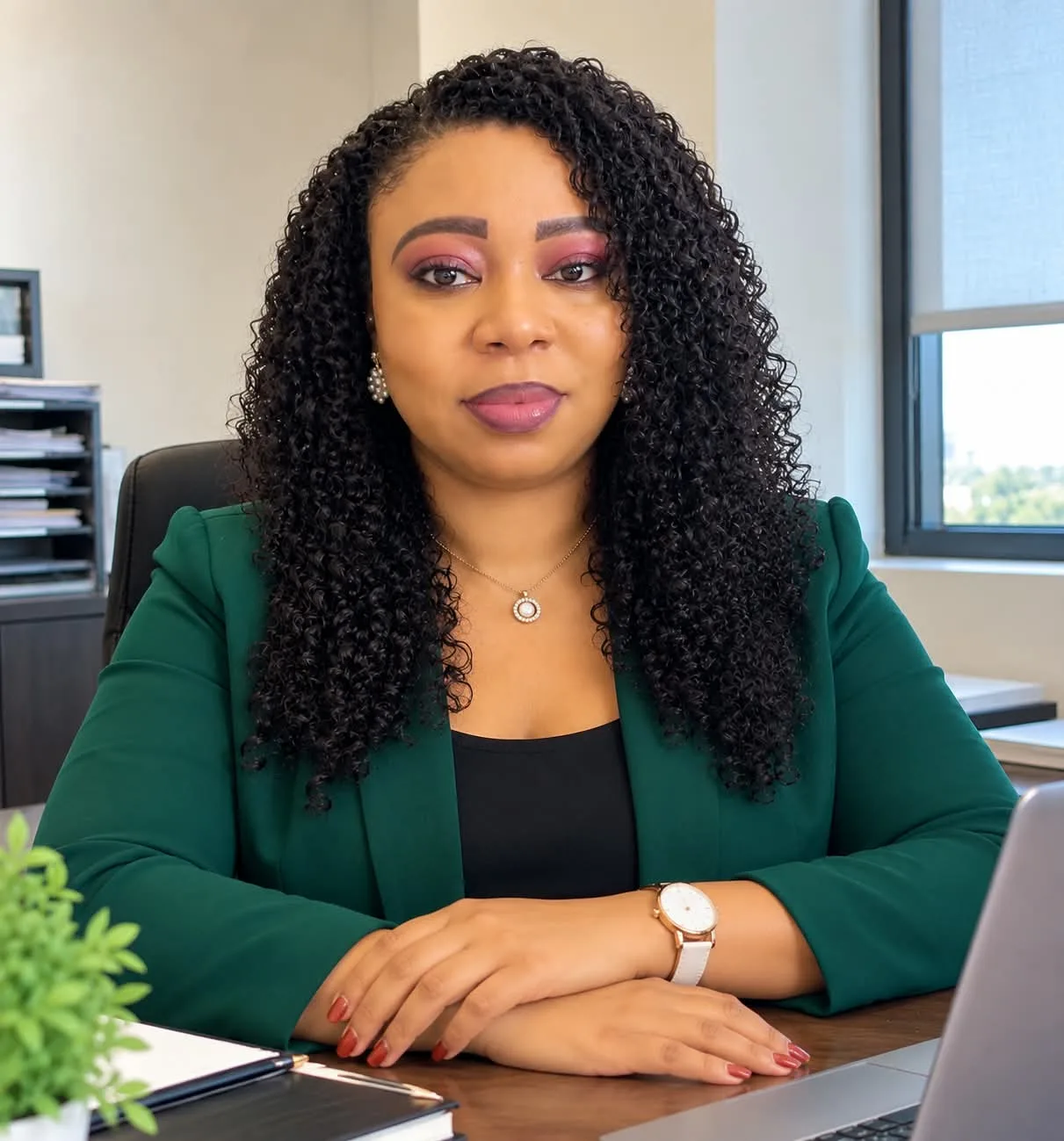
Dr. Emelda is a Doctor of Natural Medicine, public health professional, U.S. Army veteran, entrepreneur, and community advocate. Guided by her faith in God and a commitment to serving others, she believes that meaningful leadership begins with listening, compassion, and a willingness to make a positive difference.
Through her work in healthcare, military service, entrepreneurship, and community involvement, Dr. Emelda has developed a strong interest in improving lives, supporting families, and helping communities grow. In this interview, she reflects on her journey, her values, her interest in public service, and her commitment to ensuring that veterans and their families receive the recognition and support they deserve.
Interviewer: Dr. Emelda, tell us a little about yourself and what has shaped the person you are today.
Dr. Emelda: I am a Doctor of Natural Medicine, a public health professional, a U.S. Army veteran, an entrepreneur, and a community advocate. Above all, I am a woman of faith who believes in God, humility, and serving others.
My experiences have taught me that life is about more than personal achievements. It is also about how we treat people, the contributions we make, and the difference we leave behind. Every stage of my journey has taught me something valuable about responsibility, perseverance, and the importance of helping others.
I believe that when we have the opportunity to make a positive difference in someone’s life, we should take that responsibility seriously.
Interviewer: What inspired your passion for healthcare and community service?
Dr. Emelda: My passion comes from wanting to help people make informed decisions about their health and well-being. I believe that health education, prevention, and access to appropriate resources are important parts of building healthier communities.
My background in natural medicine and public health has strengthened my interest in wellness education and helping people better understand their health. I believe people should have access to reliable information and appropriate guidance so they can make informed choices.
Community service is an extension of that commitment. Whether through education, advocacy, or connecting people with resources, I believe even small efforts can make a meaningful difference. For me, serving others is not just a professional responsibility; it is a personal value.
Interviewer: How has your experience in the U.S. Army influenced your approach to leadership?
Dr. Emelda: My military experience taught me discipline, teamwork, resilience, and accountability. It helped me understand the importance of working toward a common goal and supporting others, especially during difficult times.
It also gave me a greater appreciation for the sacrifices made by service members and their families. Military service affects the entire family, not just the person wearing the uniform.
Those lessons continue to influence my professional and community work. They have also strengthened my interest in supporting veterans as they transition to civilian life and ensuring that military families receive the recognition and assistance they need.
Interviewer: What does leadership mean to you?
Dr. Emelda: I believe leadership is about responsibility, integrity, and service. It is not simply about holding a title or having authority. It is about listening to people, understanding their concerns, and working with others to find solutions.
A good leader should be willing to learn, accept feedback, and take responsibility for decisions. Leadership also requires treating people with dignity and recognizing that different experiences and perspectives have value.
I believe the most effective leaders are those who remain approachable, communicate honestly, and focus on the needs of the people they serve.
Interviewer: I heard that you may be interested in running for public office one day. What inspired you to consider that possibility?
Dr. Emelda: I have considered the possibility because I believe public service can provide another opportunity to contribute to the community and address issues that affect people’s everyday lives.
My experiences in healthcare, the military, entrepreneurship, and community advocacy have given me different perspectives on the challenges individuals and families face. They have also shown me the importance of having leaders who are willing to listen, understand those challenges, and work toward practical solutions.
For me, the interest comes from a desire to serve, not simply to hold a position. I believe public office carries significant responsibility, and anyone considering that path should approach it with careful thought, preparation, and a genuine commitment to the people.
My faith is an important part of my life, and the values of humility, integrity, and accountability would remain central to how I approach any leadership opportunity. If I decide to pursue public office in the future, I would want to do so with a clear understanding of the issues, an openness to different perspectives, and a commitment to serving the wider community.
Interviewer: As a veteran, what would you like to see happen for veterans and their families?
Dr. Emelda: This is a subject that is very important to me. As a U.S. Army veteran, I have a personal appreciation for military service and the sacrifices that come with it. I also recognize that military families make sacrifices of their own, often supporting their loved ones through long periods of separation, uncertainty, and transition.
I would like to see veterans and their families receive greater recognition and continued support beyond military appreciation events and national holidays. Their service and contributions should be acknowledged throughout the year through practical assistance, accessible resources, and meaningful community engagement.
Important areas include access to healthcare and mental health services, housing assistance, employment opportunities, education, and support for veterans transitioning into civilian life. Families may also need guidance and resources as they navigate the challenges associated with military service.
I am particularly concerned about veterans who may be struggling but do not know where to turn for help. Communities can play an important role by improving awareness of available services and helping veterans connect with the resources they need.
I also believe that military families should be included in these conversations. Their experiences matter, and they deserve to feel that their sacrifices are recognized.
My goal is to help ensure that our veterans and their families are remembered, respected, and supported—not only in words, but through meaningful action. We may not be able to solve every challenge immediately, but we can listen, raise awareness, build partnerships, and work toward better support for those who have served our country.
Interviewer: If you were to enter public service, how would you approach the needs of your community?
Dr. Emelda: I would begin by listening. I believe leaders need to understand the concerns of the people they represent before deciding which issues to prioritize.
Every community has its own needs, and effective solutions require communication, research, collaboration, and responsible planning. My background in public health has taught me the value of education and prevention, while my military experience has reinforced the importance of teamwork and accountability. Entrepreneurship has also taught me about resilience, planning, and problem-solving.
I would want to bring those lessons into any public service role while remaining open to learning from people with different experiences and expertise.
I would also encourage community participation, particularly among veterans, military families, women, young people, seniors, and individuals who may feel that their concerns are not being heard.
I understand that meaningful progress takes time and cooperation. My approach would be to focus on practical priorities, communicate honestly, and work with others to identify solutions that serve the community as a whole.
Interviewer: What message would you share with women and young people who are working toward their goals?
Dr. Emelda: I would encourage them to believe in themselves, remain committed to learning, and not allow past challenges to determine their future.
Life does not always follow the path we expect. There may be setbacks, disappointments, and times when we need to reconsider our plans. Those experiences can teach us important lessons and help us grow.
To women, I would say: recognize your abilities, continue developing your skills, and do not be afraid to pursue opportunities that allow you to contribute and grow.
To young people, I would say: be patient with yourself, seek guidance from people you trust, and understand that progress often comes through consistent effort rather than overnight success.
Above all, remain grounded in your values, keep God at the center of your life, and remember that you can always learn, improve, and begin again.
Interviewer: What kind of legacy do you hope to leave behind?
Dr. Emelda: I hope to be remembered as someone who cared about people and made a sincere effort to serve. I want my legacy to reflect compassion, integrity, and a commitment to improving lives.
I would like my work to encourage people to take their health seriously, support veterans and their families, empower women and young people, and strengthen the communities around them.
I do not measure success only by professional accomplishments or recognition. I believe it is also reflected in the opportunities we help create, the people we encourage, and the positive contributions we make over time.
If my efforts help someone find the right resources, encourage a person to pursue a goal, or bring greater attention to an issue that needs to be addressed, I would consider that meaningful progress.
Interviewer: Finally, what message would you like to leave with our readers?
Dr. Emelda: My message is to live with purpose, treat people with respect, and remain committed to making a positive contribution wherever you are.
Life will bring unexpected challenges, and not everything will happen according to plan. During those times, it is important to remain patient, continue learning, and maintain faith in God while taking practical steps toward your goals.
We do not need to hold important positions to make a difference. Sometimes, making a difference begins with listening to someone, helping a family find resources, supporting a veteran, encouraging a young person, or volunteering in our community.
I believe we all have a role to play in building stronger communities. We may have different backgrounds, experiences, and opinions, but we can still work together on issues that affect our families and our future.
For me, the most important thing is to remain humble, serve with sincerity, and use whatever opportunities I have to contribute positively to the lives of others.
Closing Reflection
Dr. Emelda’s journey reflects a commitment to faith, healthcare, military service, entrepreneurship, and community engagement. Her interest in public service grows out of a belief that leadership should be grounded in listening, responsibility, and a willingness to work toward practical solutions.
Her commitment to veterans and their families is an important part of that vision, alongside her broader interest in health education, community support, and opportunities for future generations.
As she continues her journey, Dr. Emelda remains guided by a straightforward principle: meaningful leadership is not just about the position you hold, but about how you serve, the people you support, and the difference you work to make.