Metal Sculpture: A Timeless Art Form That Shapes the World Around Us
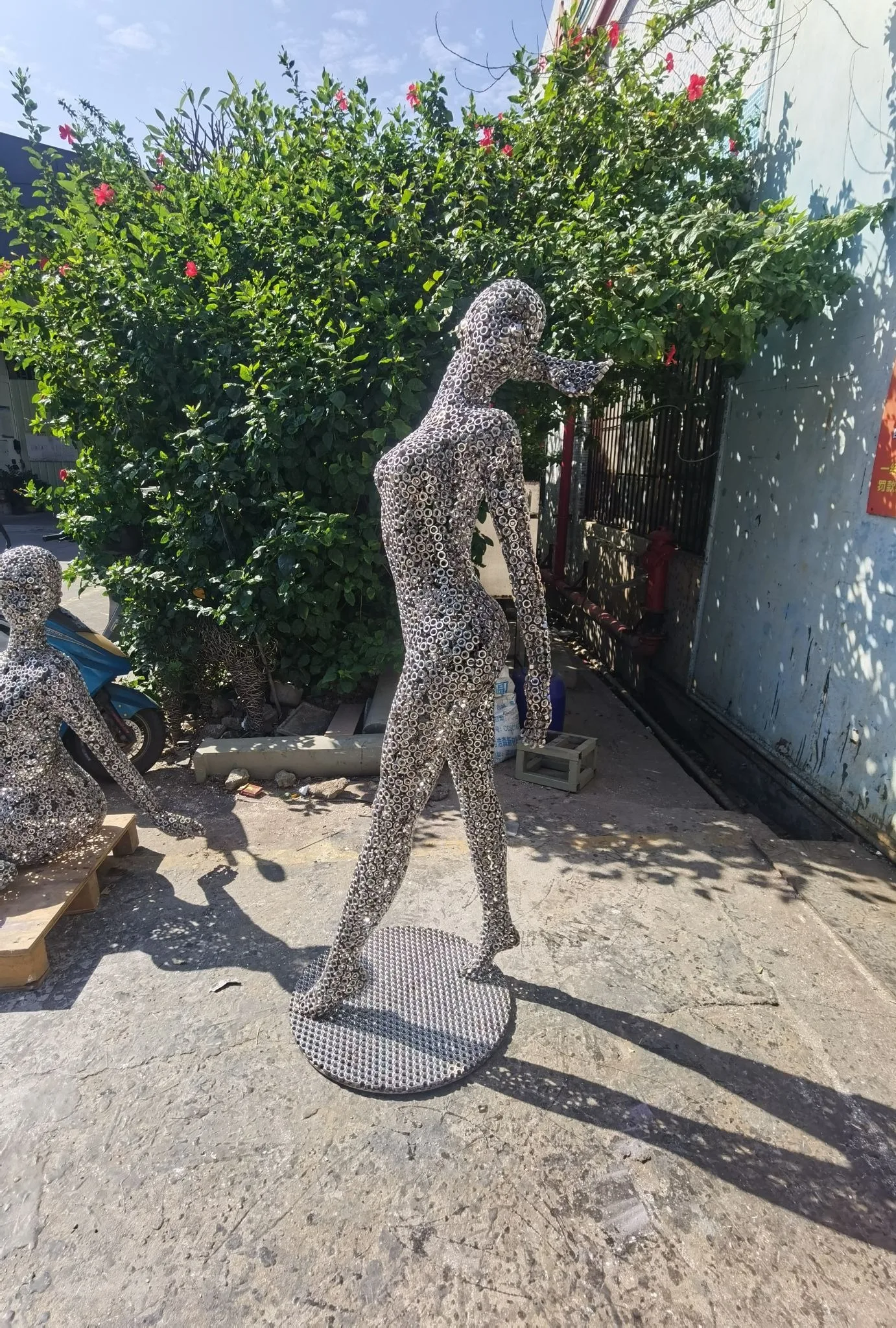
Metal sculpture is one of the oldest and most enduring art forms in human history. Long before the age of digital design or industrial manufacturing, ancient civilizations were already smelting copper, casting bronze, and hammering iron into objects of beauty, power, and spiritual significance. Thousands of years later, that same impulse — to take raw, unyielding metal and transform it through skill and vision into something meaningful — continues to drive artists, collectors, and designers around the world.
What has changed is the scale of possibility. Today, metal sculpture spans an extraordinary range: from a delicate desktop figurine no larger than a hand to a monumental public installation that anchors an entire city plaza. It can be figurative or abstract, classical or cutting-edge, serene or provocative. This versatility, combined with metal’s inherent strength and longevity, is precisely why it remains the material of choice for artists who want their work to last.
The Rich Diversity of Metal as a Medium
One of metal sculpture’s greatest strengths is the sheer diversity of materials available to the artist. Each metal carries its own personality, its own technical demands, and its own visual language.
Bronze has defined fine sculpture for millennia. Its warm tonal range, excellent castability, and graceful aging make it the classic choice for figurative and commemorative work. A well-cast bronze develops a natural patina over decades — shifting through browns, greens, and golds — that only deepens its character and sense of history.
Stainless steel brought a new visual vocabulary to sculpture in the twentieth century. Its cool, reflective surface and resistance to corrosion made it the defining material of modernist and contemporary public art. In mirror-polished form, a stainless steel sculpture becomes almost environmental — absorbing and distorting the world around it, changing its appearance with every shift in light and weather.
Corten steel, or weathering steel, appeals to artists drawn to rawness and impermanence. Its surface rusts deliberately, forming a stable, earthy oxide layer that actually protects the metal beneath while giving the piece a weathered, landscape-integrated presence that softens beautifully over time.
Iron and copper round out the most commonly used metals, each offering distinct characteristics — iron with its dense, industrial weight and traditional blacksmithing heritage, copper with its warm rose tones and natural tendency toward verdigris, the iconic blue-green patina seen on historic architectural details and classical statuary worldwide.
Craft and Technique: How Metal Becomes Art
The process of creating a metal sculpture is as varied as the medium itself. Different techniques produce fundamentally different results, and understanding them deepens appreciation for the art.
Casting — particularly the ancient lost-wax process — remains the definitive method for complex figurative work. The sculptor creates a detailed model in wax or clay, encases it in a ceramic shell, then pours molten metal into the void left when the original is burned away. The result is a faithful, highly detailed metal reproduction that can capture textures as fine as a fingerprint.
Welding and fabrication define much of contemporary metal sculpture. Artists cut, bend, and join metal components — plates, rods, pipes, and beams — to build structures of remarkable scale and geometric ambition. The weld itself can be ground smooth and invisible, or left exposed as an honest mark of the making process.
Forging — shaping heated metal under repeated hammer blows — is the oldest metalworking technique still actively practiced by artists today. Hand-forged sculpture carries a vitality that machine production cannot replicate: slight variations in surface, organic curves, the unmistakable evidence of human effort applied directly to material.
Where Metal Sculpture Belongs
Metal sculpture is remarkably at home across an enormous range of contexts.
In public spaces, it functions as civic art — anchoring plazas, marking entrances, and creating landmarks that communities gather around and identify with. The most iconic examples, like Anish Kapoor’s Cloud Gate in Chicago, have become inseparable from the cities that host them.
In corporate and commercial environments, a carefully commissioned metal sculpture signals investment, creativity, and permanence. It tells clients, partners, and employees something important about an organization’s values before a single word is spoken.
In private homes and gardens, metal sculpture brings a particular kind of presence — one that changes with the light throughout the day, that weathers and ages alongside the space it inhabits, and that holds its beauty across seasons in ways that more fragile materials simply cannot.
Caring for Metal Sculpture
Most metal sculptures require very little maintenance, but a modest routine extends their lifespan significantly. Indoor pieces benefit from occasional dusting and, for bronze or copper work, a light coat of microcrystalline wax applied every few months. Outdoor stainless steel pieces stay at their best with periodic cleaning and an annual application of protective wax. Corten steel, once its stable rust layer has formed, is largely self-maintaining — requiring only good drainage to prevent water from pooling at the base.
Finding the Right Piece
Whether you are a first-time buyer or an experienced collector, finding a piece that genuinely resonates requires access to work of real quality. SculpturesHome offers a thoughtfully curated range of metal sculptures spanning styles, scales, and materials — an ideal resource for both ready-made selections and custom sculptures tailored precisely to a client’s space and vision.
Metal sculpture endures because it speaks to something fundamental in us — a desire for beauty that outlasts the moment, for objects made with genuine care, for art that occupies the world as solidly and confidently as we do. In that sense, every great metal sculpture is not just an object. It is a statement of intent.