Mid-July 2026: What the Latest Escalation Means for Regional Trade
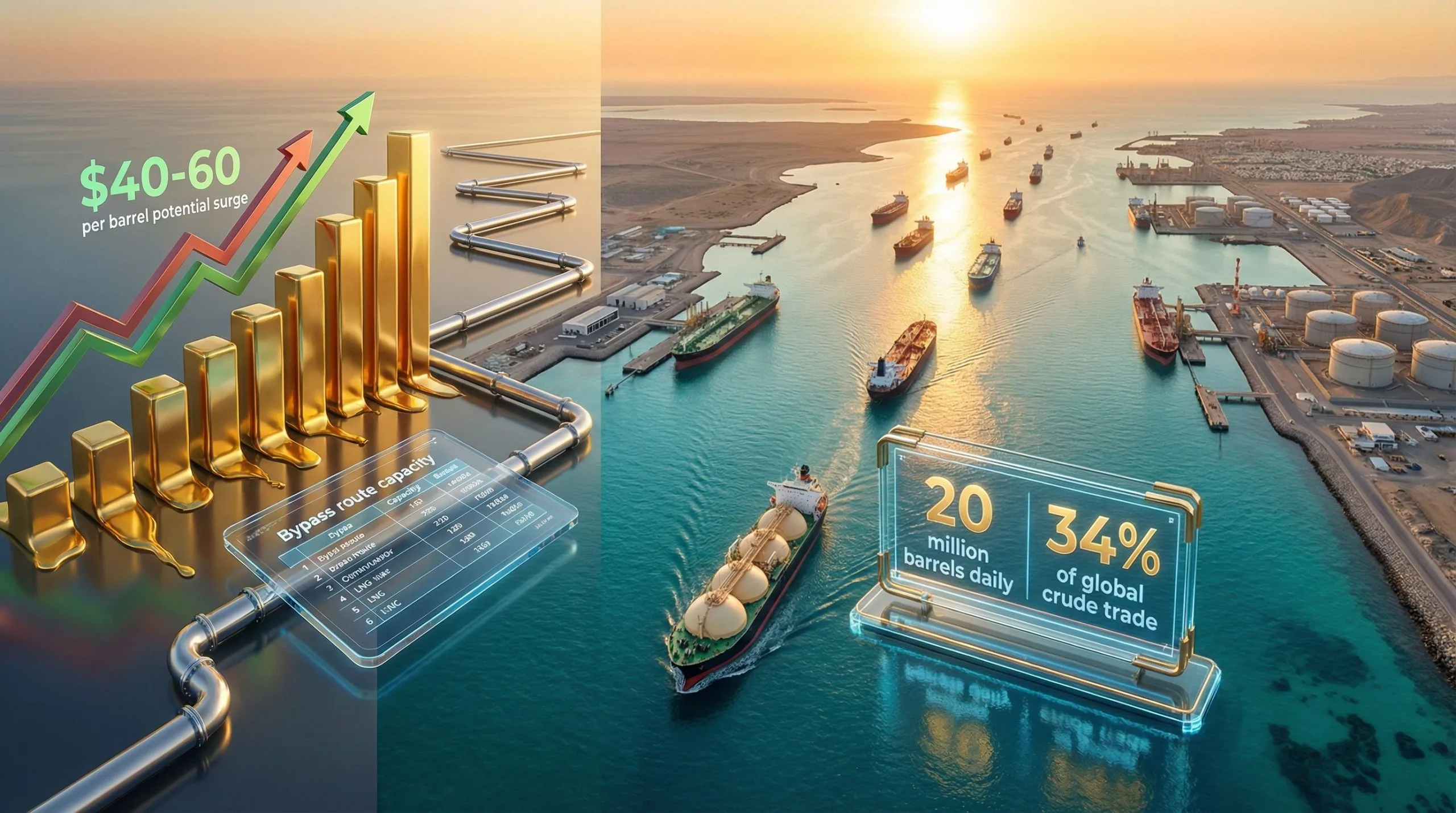
Just when it seemed the region might be settling into an uneasy calm, mid-July 2026 brought a fresh wave of escalation across the Gulf, and the question on everyone’s mind quickly became how will Hormuz disruption impact trade? once again, after ships in the strait came under renewed attack and the United States reimposed its blockade on Iran in response.
A Rapid Sequence of Events Within Days
The events of mid-July didn’t unfold as a single incident but as a fast-moving sequence, with multiple flashpoints emerging almost simultaneously across different countries:
- Blasts were heard near the US consulate in Irbil, Iraq, with AFP journalists reporting several drones hovering over the city as air defenses activated
- Jordan intercepted additional incoming missiles, prompting Jordanian Foreign Minister Ayman Safadi and US Secretary of State Marco Rubio to jointly condemn the Iranian attacks
- An Iranian minister traveled to Doha to offer condolences, days after Iran had struck Qatar directly
- The United States carried out additional strikes against Iran after both Bahrain and Kuwait came under attack
- Israel jailed a soldier for passing missile intercept footage to an Iranian agent, raising fresh concerns about intelligence leaks inside its own military
Why the Strait of Hormuz Attacks Changed the Calculation
The most consequential development came when Iran targeted ships passing through the Strait of Hormuz, prompting the United States to reimpose its blockade on Iran almost immediately. Given that a significant share of the world’s seaborne oil exports passes through this single chokepoint, any renewed disruption there tends to ripple through global markets within hours rather than days.
The Immediate Market Reaction
Oil prices rose as hostilities worsened across the Middle East, extending a pattern that has defined the broader Iran war since it began earlier in the year. Markets have repeatedly shown they treat Hormuz-specific incidents differently from other regional flashpoints, since a blocked or heavily disrupted strait threatens to choke off exports rather than simply raising political risk premiums.
Countries Directly Affected in This Latest Round
- Iraq: drone activity and air defense activation near a diplomatic facility in Irbil
- Jordan: intercepted missiles, requiring active air defense response
- Qatar: direct Iranian strikes, followed by a diplomatic condolence visit
- Bahrain and Kuwait: came under attack, prompting the US response strikes against Iran
- Israel: an internal security breach involving leaked military footage
Following the Broader Conflict
Keeping track of a conflict moving this quickly across multiple fronts has become genuinely difficult without a centralized source, which is why following Iran War News as a continuous thread matters more than reading isolated headlines in any given week. The events of mid-July build directly on months of prior disruption, including earlier attacks on Gulf shipping and repeated closures of export routes that had already forced several producers to shut in significant volumes of crude.
What Tends to Happen After Incidents Like These
- Shipping insurers typically raise premiums for vessels transiting the strait within days of a confirmed attack
- Gulf producers often accelerate work on alternative export routes that bypass Hormuz entirely
- Diplomatic responses, like the Jordan-US condemnation, tend to precede rather than follow any de-escalation
What This Means Going Forward
With the US having reimposed its blockade and strikes continuing on both sides, there’s little indication that mid-July marks a turning point toward calm rather than another temporary lull before further escalation. The pattern so far in 2026 has been one of partial de-escalation followed by renewed flashpoints, rather than a clean resolution.
In the End
Mid-July’s events are a reminder that this conflict’s impact on trade isn’t contained to a single dramatic moment but continues to unfold through smaller, frequent disruptions across multiple countries at once. How closely are you following developments in the strait compared to the wider regional conflict?