Mile High Paragliding Safety Standards Explained for First-Time Flyers
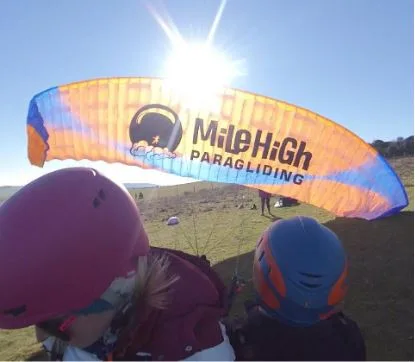
Your heart starts racing the second you see the paraglider wing open behind you. The wind catches the fabric, the harness tightens, and suddenly one scary thought hits your mind:
“Is this actually safe?”
Almost every first-time flyer asks that question before takeoff.
The good news is that tandem paragliding is far more controlled and professionally managed than most people expect. In fact, many beginners are surprised by how carefully every part of the experience is handled before they even leave the ground.
Understanding the safety standards behind the flight can completely change the way you feel about paragliding.
Tandem Flights Are Controlled by Professional Pilots
One of the biggest reasons tandem paragliding feels safer for beginners is simple: you are not flying alone. During a tandem flight, a trained pilot controls the paraglider wing, steering, speed, and landing while the passenger focuses on enjoying the experience.
Professional tandem pilots spend years learning weather reading, emergency handling, launch control, and safe landing techniques before carrying passengers. This makes tandem paragliding very different from solo learning flights where students must control the wing themselves.
Weather Checks Are Taken Extremely Seriously
Many people think flights happen on schedule no matter what. That is not true in paragliding. Weather conditions are checked constantly before every launch because wind speed and wind direction directly affect flight safety.
Strong wind, poor visibility, rain, or unstable air conditions can all delay or cancel flights. Sometimes conditions may even change minutes before takeoff.
This can frustrate excited passengers, but it is actually one of the strongest signs of a professional paragliding operation.
Experienced instructors would rather postpone a flight than risk unsafe conditions. That strong focus on weather safety is one reason many first-time visitors trust Mile High Paragliding for tandem experiences in East Sussex.
Equipment Is Carefully Inspected Before Flying
Modern tandem paragliding equipment is designed with multiple layers of safety. Pilots inspect the wing, harness system, carabiners, reserve parachute, and lines before flights. Most tandem setups also include helmets, secure passenger harnesses, and backup safety systems.
Reserve parachutes are especially important because they act as emergency backup systems if needed during unusual situations. The equipment used for tandem flights must also meet strict aviation and safety standards in the UK. That attention to detail helps reduce many of the risks beginners worry about before flying.
First-Time Flyers Receive Pre-Flight Training
One common myth is that passengers simply show up and jump into the air without preparation. In reality, beginners receive a pre-flight briefing before takeoff. Pilots explain the launch process, body position, landing instructions, and what passengers should expect during the flight.
This short training session helps nervous flyers feel calmer because they understand exactly what will happen step by step. According to information shared on https://milehighparagliding.com/, tandem experiences are designed specifically for people with no previous flying experience.
That beginner-friendly approach is a major reason many passengers feel more confident after the briefing.
Launch Sites Are Chosen Based on Safe Conditions
Paragliding companies do not randomly choose where to fly. Launch sites are selected based on wind direction, terrain, air movement, and safe landing access. In East Sussex, many flying areas near the South Downs provide open spaces and smoother coastal airflow that work well for tandem flying.
Pilots may also change launch locations during the day depending on weather conditions. That flexibility improves safety and helps create smoother flights for passengers.
Why Most First-Time Flyers Feel Relaxed After Takeoff
The funny thing about paragliding is that the biggest fear usually happens before launch. Once people are in the air, the experience often feels peaceful instead of terrifying. The motion is smooth, quiet, and surprisingly relaxing compared to what most beginners imagine.
That calm feeling happens because professional pilots manage the technical side of the flight while passengers simply enjoy the scenery. For many adventure lovers, understanding the safety process is what turns fear into excitement before their very first flight.