Milling Machine Service Overview: How Professional Maintenance Saves You Time and Money
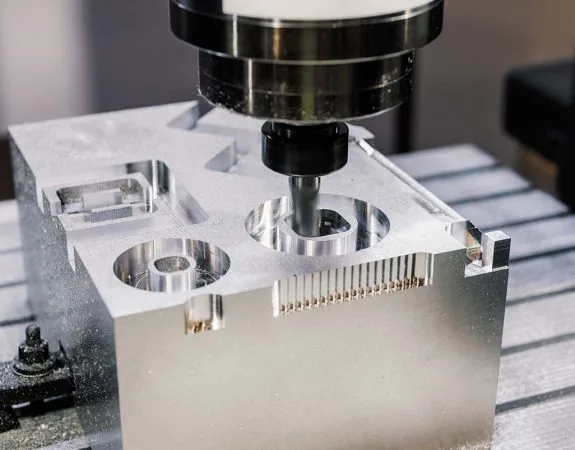
In industrial environments where milling machines are central to production workflows, their condition directly influences operational performance. These machines shape, drill, and finish materials that become critical components in assemblies, infrastructure, and engineered products. When milling equipment operates reliably, schedules are met, quality metrics stay within specification, and downstream processes function smoothly. When they don’t, companies face increased scrap rates, delayed deliveries, inconsistent quality, and increased operational cost.
Milling machines are complex assemblies of mechanical, electrical, and control systems. Wear, alignment shifts, lubrication breakdown, and control drift occur with use. These changes often start subtly and compound over time, ultimately affecting throughput and precision. For maintenance planners, production managers, and business owners, understanding not just what servicing involves, but how it reduces time losses and lowers costs is important. Below is a comprehensive look at the value professional maintenance brings and the practical ways it supports industrial operations.
Milling Machine Service overview: What Professional Maintenance Actually Covers
At its core, professional Milling Machine Service overview integrates detailed mechanical inspection, control diagnostics, lubrication assessment, and performance verification. It is not limited to simple cleaning or periodic checks; it is a structured evaluation that restores or confirms equipment capability to perform within intended design tolerances.
Professional service typically involves the following:
- Mechanical inspection: Evaluation of guideways, ball screws, bearings, spindle runout, backlash, and structural integrity.
- Control system diagnostics: Review of how the machine’s controller interprets and executes programs, feedback loop integrity, and servo system behavior.
- Lubrication and cooling system validation: Verification that lubrication flow and quality meet requirements and that cooling systems manage thermal output during production.
- Thermal and vibration analysis: Identification of heat generation patterns and vibration signatures that point to mechanical or control issues.
A reliable reference on machine tool fundamentals makes clear that geometric and structural stability directly influences machining accuracy and repeatability. Professional service addresses these factors systematically rather than reactively.
The difference between basic upkeep and professional servicing is similar to routine cleaning versus a full health check. Manufacturers build precision into these machines, but maintaining that precision demands more than surface-level care.
How Professional Service Reduces Unplanned Downtime
Unplanned downtime in a production facility has immediate and cascading effects. When a milling machine stops unexpectedly, labor is idle, schedules shift, and downstream processes stall. The cost of even a few hours of downtime often surpasses what maintenance technicians charge to inspect and service equipment proactively.
Professional service reduces unplanned stoppages in several ways:
- Early detection of emerging issues: Technicians use specialized diagnostic tools—such as laser alignment systems and vibration analyzers—to spot wear and drift before they become critical failures.
- Verification of motion control consistency: Ensuring that feed rates and spindle speeds respond accurately under load prevents machine stalls caused by control irregularities.
- Identification of electrical and feedback anomalies: Intermittent faults that escape routine checks can lead to sudden stoppages if not addressed.
Downtime does not happen in isolation. It affects material flow, inventory buffers, labor schedules, and delivery commitments. A proactive servicing regimen shortens the time machines are out of action by catching nascent problems early.
Companies that depend on high throughput recognize that scheduled maintenance windows — even if they remove a machine from production briefly — can prevent far longer interruptions caused by unexpected failures. For businesses where multiple machines run around the clock, integrating professional service into a broader maintenance rhythm yields more predictable operations.
How Maintenance Saves on Repair and Replacement Costs
Cost savings from professional milling machine service extend beyond preventing downtime. Machines consist of expensive components—spindles, bearings, ball screws, and precision guides. When these parts fail catastrophically, repair costs include not just the part itself, but labor and potential collateral damage.
Professional service protects against this escalation by:
- Assessing wear patterns and component condition: Technicians can measure how guideways wear, how backlash changes over time, and whether spindle bearings maintain preload. Early intervention prevents minor issues from becoming major failures.
- Replacing parts before they break: Swapping a worn bearing before it fails prevents damage to adjacent components, reducing repair scope.
- Ensuring lubrication quality and delivery: Proper lubrication extends component life. Contaminated or depleted lubricant accelerates wear and increases the chance of failure.
Consider the cost difference between replacing a spindle assembly versus addressing misalignment or lubrication issues early. The former can be an order of magnitude more expensive and often involves extended machine downtime. Professional service manages these risks systematically.
When repair costs remain predictable and scheduled, businesses can budget more effectively. Emergency repairs typically command higher labor rates and expedited parts shipping, both of which inflate expenses. Professional preemptive maintenance avoids unpredictable spikes in maintenance spend.
How Service Enhances Cutting Precision and Product Quality
Precision is the raison d’être of milling machines. Parts are machined to tight dimensional tolerances and surface finishes that meet design requirements. A machine out of alignment or with degraded control feedback cannot maintain these standards reliably.
Several service activities support quality outcomes:
- Geometric verification: Technicians measure and correct linear axis alignment, ensuring that axes travel consistently and without play.
- Spindle runout correction: Excessive spindle runout produces inconsistent cuts and variable surface finishes.
- Control calibration: Ensuring that the machine’s controller and feedback systems interpret programs accurately eliminates errors due to miscommunication between software and hardware.
- Vibration damping checks: Unusual vibration signatures often appear as surface quality defects. Professionals identify and address sources of excessive vibration.
Quality control teams often focus on part inspection and tool condition. However, when machine condition itself contributes to part variability, inspection becomes repeat work rather than value creation. Service that restores mechanical and control fidelity reduces scrap and rework. It also shortens inspection cycles because parts are more consistently within specification.
Quality is not a standalone metric; it interacts with throughput, material costs, and customer satisfaction. Improving machine capability through professional maintenance supports all these dimensions.
How Professional Service Supports Long-Term Reliability
Machines wear with use. Bearings lose preload over hundreds of hours of operation, linear guides accumulate micro‑scratches, and ball screws gradually exhibit play. Left unchecked, these small wear items amplify and interact, degrading machine behavior. Regular professional service helps manage these wear patterns before they compromise reliability.
A service regimen contributes to long-term reliability by:
- Monitoring component degradation trends: Service reports document wear progression. This historical data helps maintenance planners anticipate when specific parts will require attention.
- Adjusting mechanical systems as wear occurs: Backlash adjustments, bearing preload corrections, and guideway reconditioning ensure that wear does not escalate into failure.
- Maintaining control systems within specification: Feedback sensors, encoders, and motor drives exhibit reduced performance over time. Professionals verify that control loops remain responsive and accurate.
Reliability is the cumulative outcome of how a machine behaves over thousands of cycles. By focusing on both current condition and wear trends, professional service makes reliability a measurable and managed aspect of machine ownership, not an unpredictable variable.
How Service Frees Internal Resources for Higher‑Value Work
Internal maintenance teams are critical to daily operations. They handle routine lubrication, basic troubleshooting, and immediate response tasks. However, complex diagnostics and precision adjustments require specialized tools and experience that internal teams may not possess.
Outsourcing professional milling machine service provides several internal benefits:
- Internal teams remain focused on priority tasks: While specialists handle deep diagnostics and adjustments, in‑house crews can manage preventive tasks and process improvements.
- Specialized tools and methods come with the service: Laser alignment systems, vibration analyzers, and thermal imaging tools are expensive and require trained operators. Professionals bring these tools onsite.
- Knowledge transfer to internal teams: A good service provider explains issues found and advises internal staff on daily checks and early indicators to watch for.
Internal teams and external specialists operating in coordination form a balanced maintenance strategy. Internal staff ensure the machine remains clean and properly lubricated; professionals confirm that its deeper performance characteristics stay within design intent.
How Service Contributes to Better Maintenance Planning
Professional service visits yield detailed reports that describe machine condition, corrective actions taken, and recommendations for future attention. This documentation is not just compliance paperwork — it is operational knowledge.
Service documentation supports:
- Trend analysis: Comparing reports over time reveals how wear patterns evolve and what recurring issues must be managed.
- Budget planning: Historical service records help forecast maintenance budgets with greater confidence.
- Audit support: Quality management systems often require evidence that critical equipment is maintained and verified. Service documentation provides traceable records.
- Decision making around capital investment: When multiple machines approach end‑of‑life, service histories help justify replacements versus continued maintenance.
Maintenance planning becomes less of an art and more of a data‑informed practice when professional service reports are used systematically.
Conclusion
Milling machines are complex, precision tools that play a central role in many manufacturing operations. The way they are maintained directly affects productivity, quality, cost, and reliability. A professional approach to service — accurately captured in this Milling Machine Service overview — moves maintenance from reactive to proactive, from expensive surprises to predictable schedules.
Professional service helps businesses:
- Reduce unplanned downtime and protect throughput.
- Lower repair and replacement costs by catching issues early.
- Enhance product quality through restored machine precision.
- Support long‑term reliability with trend monitoring.
- Free internal resources for higher‑value activities.
- Use data from service reports to inform planning and budgeting.
In an operational environment where margins are tight and customer expectations are high, the value of professional service extends beyond the machine itself. It supports the stability and performance of the entire production system. For business owners and maintenance managers alike, understanding and implementing structured, professional milling machine maintenance is a practical investment in predictable operations and controlled cost.