Modern At-Home Wellness and Recovery Methods for Everyday Muscle Tension
Long working hours, extended screen time, and busy daily routines can leave the body feeling tired and tense. Sitting at a desk for much of the day may contribute to stiffness in the neck, shoulders, lower back, and legs, while ongoing stress can make physical tension feel even more noticeable. For many people, finding simple ways to relax at home has become an important part of maintaining overall well-being.
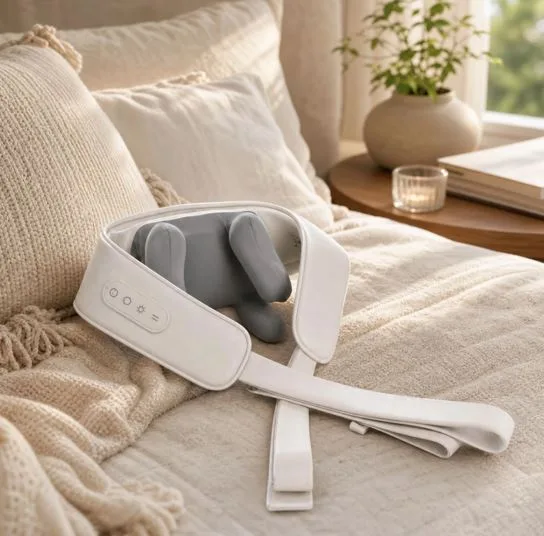
At-home wellness has also evolved beyond traditional stretching and rest. From mobility exercises and breathing techniques to massage and recovery devices, there are now many practical options for people who want to incorporate relaxation into their regular routines. A Kiicity Body Massager, for example, can be considered as one option for people looking to add massage-based relaxation to their home routine.
Why Long Working Hours Can Cause Muscle Stiffness
Spending several hours in one position can make certain areas of the body feel tight and uncomfortable. Desk workers may notice stiffness around the shoulders and neck, while people who spend much of the day standing or moving may experience tired legs and lower-back tension.
The issue is not necessarily the amount of work itself. Staying in the same posture for long periods can reduce movement throughout the day and place repeated stress on particular muscle groups. Poor workstation positioning, limited breaks, and insufficient physical activity can make the problem more noticeable.
Small changes can help. Standing up regularly, walking for a few minutes, adjusting the height of a chair or monitor, and changing position throughout the day can all encourage better movement habits.
The Connection Between Stress and Physical Tension
Stress is often thought of as an emotional experience, but it can also have physical effects. When people feel under pressure, they may unconsciously tighten their shoulders, clench their jaw, or hold tension in other parts of the body.
This can create a cycle in which mental stress contributes to physical discomfort, while persistent discomfort makes it harder to relax. Breaking that cycle does not always require a complicated routine.
Slow breathing, gentle stretching, a short walk, adequate sleep, and periods away from screens can give the body opportunities to relax. Creating a calm evening routine can also help signal that it is time to slow down after a demanding day.
The Rise of At-Home Wellness and Recovery
Wellness routines once commonly involved visiting a gym, spa, or specialist. Today, many people are bringing simple recovery practices into their homes. This shift has been encouraged by increasingly busy schedules and the availability of compact wellness tools designed for personal use.
The appeal is largely practical. A person does not necessarily need a large amount of time or a dedicated room to introduce recovery into the day. A few minutes of stretching, breathing exercises, self-massage, or light movement can fit into an ordinary schedule.
Massage devices are another example. Depending on the design, they can provide a convenient way to incorporate massage into a relaxation routine after work, exercise, or other physically demanding activities.
Simple Ways to Build a Recovery Routine
A useful wellness routine does not have to be complicated. Consistency is often more realistic than trying to make every session extensive.
Start With Gentle Movement
After sitting for several hours, begin with easy movements rather than immediately doing intense exercise. Shoulder rolls, gentle neck movements, walking, and light mobility exercises can help the body transition from prolonged inactivity.
Take Regular Screen Breaks
Long periods of computer or phone use can contribute to both physical and mental fatigue. Short breaks provide an opportunity to stand, move around, look away from the screen, and reset your posture.
Use Massage as Part of Relaxation
Self-massage can be useful when certain areas feel tired after a long day. A massage device may offer a convenient alternative when visiting a professional is not practical. The goal should be relaxation and comfort rather than using excessive pressure.
Combine Physical and Mental Relaxation
Physical recovery works well alongside mental relaxation. Deep breathing, quiet music, reading, meditation, or simply spending a few minutes away from work-related notifications can make an evening routine feel more restorative.
Pay Attention to Sleep
Recovery is not limited to what happens while you are awake. Consistent, quality sleep gives the body time to recover from everyday physical and mental demands. A relaxing pre-bed routine can make it easier to transition away from work and other stimulating activities.
Choosing At-Home Wellness Tools Wisely
The growing number of wellness products can make it difficult to decide what is actually useful. Instead of choosing something because it is trending, consider whether it fits naturally into your lifestyle.
Look at factors such as ease of use, comfort, portability, maintenance, and whether the product is appropriate for the intended purpose. A tool that is simple enough to use regularly may be more valuable than one with numerous features that rarely gets used.
It is also important to remember that wellness tools are not substitutes for professional medical care. Persistent, severe, or unexplained pain should be discussed with an appropriate healthcare professional, particularly when it follows an injury or is accompanied by other concerning symptoms.
Making Wellness More Sustainable
The most effective recovery routine is usually one that can be maintained over time. Instead of waiting until the body feels exhausted, small habits can be distributed throughout the day.
A few minutes of movement between work sessions, better posture, adequate hydration, regular physical activity, and a consistent sleep schedule can collectively make a meaningful difference to everyday well-being. Adding a massage or relaxation tool can complement these habits when used comfortably and appropriately.
Ultimately, modern at-home wellness is less about finding one perfect solution and more about creating a balanced routine. By combining movement, rest, stress management, and practical recovery methods, people can make their homes a more supportive environment for relaxation and everyday recovery.