Mold Inspection and Mold Testing: What Homeowners Should Know
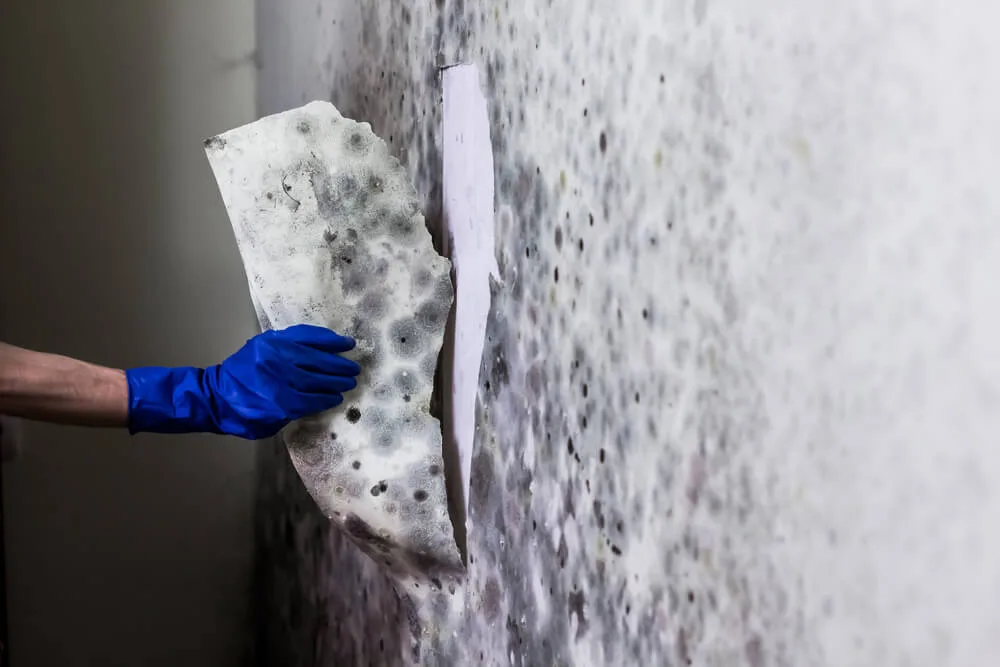
Mold can become a concern in homes and commercial buildings when moisture is present for extended periods. Leaking pipes, roof problems, flooding, condensation, poor ventilation, and damp areas can all contribute to conditions where mold may grow. Because mold can sometimes develop in places that are difficult to see, homeowners may not always recognize a problem immediately.
Mold inspection and mold testing are two services that can help property owners better understand possible mold concerns. Although the terms are often used together, they serve different purposes. A mold inspection generally focuses on identifying visible or suspected mold, moisture problems, and conditions that may support mold growth. Mold testing, when appropriate, involves collecting samples to determine whether mold is present and to provide additional information about the types or concentrations of mold detected.
Understanding these services can help property owners make informed decisions when dealing with suspected mold.
What Is a Mold Inspection?
A mold inspection is a visual and investigative assessment of a property for signs of mold and moisture-related problems. A qualified professional may examine areas such as basements, attics, bathrooms, kitchens, crawl spaces, ceilings, walls, and other locations where moisture can accumulate.
During an inspection, the professional may look for visible mold growth, water stains, musty odors, condensation, damaged building materials, plumbing leaks, and other indicators of excessive moisture.
Moisture is particularly important because mold generally requires moisture to grow. Finding and addressing the source of moisture can therefore be an important part of understanding a mold concern.
What Is Mold Testing?
Mold testing involves collecting samples from the property and having them analyzed using an appropriate laboratory method. Depending on the circumstances, samples may be collected from air, surfaces, or other areas.
Air sampling may provide information about airborne mold spores, while surface sampling can help identify mold growing on a particular material. The type of testing used depends on the reason for the investigation and the conditions observed during the inspection.
Testing should generally have a clear purpose. Simply finding mold spores through testing does not necessarily establish that a building has a dangerous mold problem. Mold spores naturally occur in outdoor and indoor environments, so results need to be interpreted in the context of the property.
When Should You Consider a Mold Inspection?
Several situations may justify considering a professional mold inspection. One common reason is visible mold growth. If mold is apparent, an inspection may help determine the extent of the issue and identify possible moisture sources.
A recent water event is another reason to investigate. Flooding, plumbing failures, roof leaks, or significant water intrusion can leave building materials damp and create conditions favorable to mold growth.
Persistent musty odors can also prompt an inspection, particularly when there is no obvious source. An odor does not prove that mold is present, but it can indicate that further investigation may be useful.
Homeowners may also consider an inspection when purchasing or selling a property, especially if there has been a history of water damage or moisture problems.
Signs That May Indicate a Moisture Problem
Mold does not always appear as an obvious patch on a wall. Some signs can be indirect. Water stains on ceilings or walls, peeling paint, warped materials, condensation, damaged drywall, and recurring dampness may indicate moisture problems.
Bathrooms and kitchens deserve particular attention because regular use of water can increase humidity. Poor ventilation may make these conditions worse.
Basements, crawl spaces, and areas around plumbing fixtures can also require attention because they may experience leaks or higher humidity levels.
Identifying the source of moisture is often just as important as identifying mold itself. If a leak continues, cleaning visible mold without correcting the underlying problem may not solve the larger issue.
What Happens During a Mold Inspection?
The exact process varies depending on the property and the professional performing the inspection. Generally, the inspection begins with a discussion about the property’s history and the reason for the assessment.
The inspector may then examine accessible areas for visible signs of mold and moisture. They may use tools designed to identify elevated moisture levels or investigate areas where water intrusion is suspected.
Photos and notes may be collected during the inspection. If testing is considered appropriate, samples may be collected and sent for laboratory analysis.
After the inspection, the property owner may receive a report describing observations, potential moisture sources, sampled areas, and recommendations for addressing identified concerns.
Is Mold Testing Always Necessary?
Mold testing is not necessarily required in every situation. If visible mold is already present and the source and extent of the problem are clear, testing may not provide additional information needed to address it.
Testing can be more useful when the presence of mold is uncertain, when there is a disagreement about whether mold exists, or when additional information is needed as part of an investigation.
A qualified professional can help determine whether sampling has a specific purpose. The decision should be based on the circumstances of the property rather than testing simply for the sake of obtaining a laboratory result.
Why Moisture Control Matters
Controlling moisture is one of the most important parts of preventing recurring mold growth. Plumbing leaks should be repaired promptly, roof problems should be addressed, and areas affected by water should be properly dried.
Ventilation can also help reduce excess humidity. Bathrooms and kitchens may benefit from exhaust ventilation, while basements and other damp areas may require additional moisture-control measures.
Property owners should also pay attention to condensation around windows, pipes, air-conditioning equipment, and other cold surfaces. Persistent condensation can indicate excessive indoor humidity or ventilation issues.
Choosing a Mold Inspection Professional
When looking for a mold inspection or testing professional, property owners should consider experience, qualifications, inspection methods, reporting practices, and transparency about testing.
Ask what the inspection includes and whether laboratory analysis is performed when samples are collected. It can also be useful to ask whether the company has experience investigating water damage and identifying moisture sources.
A professional should clearly explain what the inspection can and cannot determine. Be cautious of anyone who guarantees a particular testing result or recommends extensive work without first explaining the evidence supporting the recommendation.
Mold Inspection for Businesses
Mold concerns are not limited to residential properties. Offices, retail spaces, warehouses, schools, rental properties, and other commercial buildings can also experience moisture problems.
Commercial inspections may involve larger areas and more complex building systems. Identifying the location and source of moisture can help property managers determine appropriate next steps while minimizing disruption to occupants and business operations.
Documentation can also be useful for property management records, maintenance planning, and communication with building owners or contractors.
What to Do After an Inspection
The appropriate next step depends on what the inspection finds. If a moisture source is identified, repairing that source should generally be a priority. Water-damaged materials may need appropriate drying, cleaning, or replacement depending on their condition and the extent of damage.
If mold remediation is necessary, the work should be handled using suitable procedures for the size and nature of the affected area. After remediation, addressing the original moisture problem can help reduce the likelihood of recurrence.
Property owners should keep inspection reports, laboratory results when testing is performed, photographs, and records of repairs. These documents can help track the property’s history and demonstrate that moisture-related concerns were investigated and addressed.
Final Thoughts
Mold inspection and mold testing can provide useful information when a property has suspected mold or unexplained moisture problems. An inspection focuses on investigating the building and identifying visible signs, moisture sources, and conditions that may support mold growth. Testing can provide additional laboratory information when there is a specific reason to collect samples.
The most effective approach is usually to understand the underlying moisture conditions rather than focusing only on laboratory results. Promptly addressing leaks, excess humidity, water intrusion, and damaged materials can help protect the condition of a property.
Whether you are a homeowner, landlord, property manager, or business owner, professional mold inspection can help you better understand a suspected problem and determine appropriate next steps. When testing is warranted, properly collected and interpreted samples can add useful information to the overall assessment. Together, careful inspection, appropriate testing, moisture control, and proper remediation can support a healthier and better-maintained indoor environment.